
France Opens Probe Into Paraguay Senator's Mbappe Racism
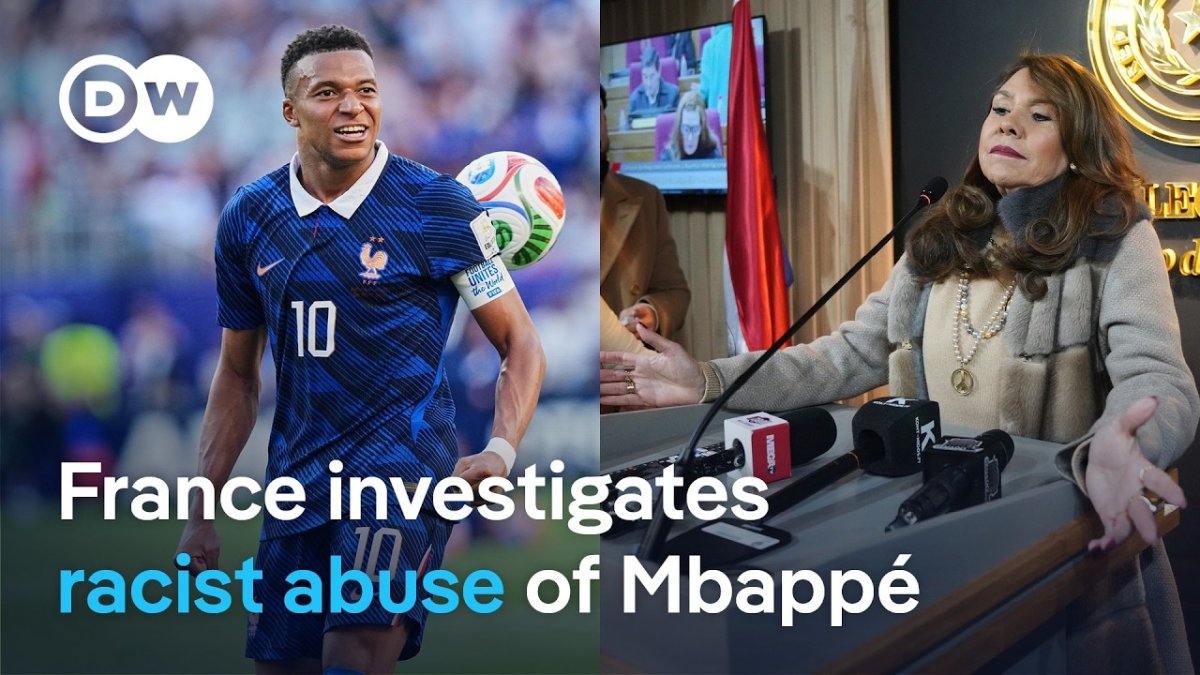
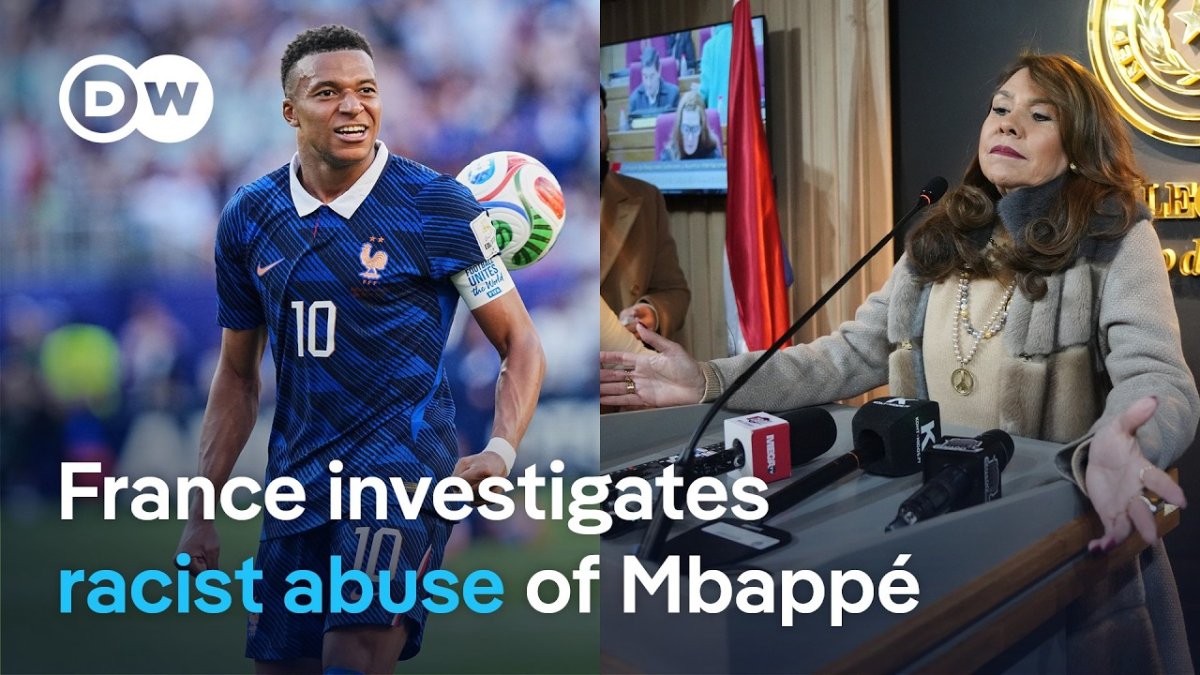
The World Cup Match That Sparked an International Controversy The DW News video titled “France opens probe over racist comments on Mbappé” captures the moment French prosecutors moved from words to legal action. On July 4, 2026, France defeated Paraguay 1-0 before 68,000 spectators at Lincoln Financial Field in Philadelphia. Kylian Mbappé converted the decisive penalty in the 7
The World Cup Match That Sparked an International Controversy
The DW News video titled “France opens probe over racist comments on Mbappé” captures the moment French prosecutors moved from words to legal action. On July 4, 2026, France defeated Paraguay 1-0 before 68,000 spectators at Lincoln Financial Field in Philadelphia. Kylian Mbappé converted the decisive penalty in the 78th minute, sending Paraguay out of the tournament. The match atmosphere had already turned tense after several fouls on the French forward.
Within hours, Senator Celeste Amarilla, 61, of Paraguay’s opposition Liberal Radical Party, posted on X. She mocked Mbappé’s Senegalese and Algerian heritage, his upbringing in a Paris suburb, his education, and his physical appearance. The remarks quickly spread across Spanish- and French-language social media, drawing immediate condemnation from fans in both countries.
Mbappé responded directly on the same platform, calling Amarilla a “despicable woman” who was “unworthy” of her seat in Congress. His measured yet firm reply amplified the story, turning a single senator’s post into an international incident that reached the offices of the French Football Federation.
From my vantage point in Mexico City newsrooms, the ripple effects felt immediate. Fans in Guadalajara and Monterrey who follow European leagues closely shared the posts in family group chats, turning a distant stadium clash into a living-room conversation about belonging and respect. The incident reminded many of us how a single moment on the pitch can expose deeper fractures that travel across borders faster than any ball.
Community organizers in border towns like Tijuana noted how young players in local academies began asking why elected leaders sometimes echo the same taunts heard from hostile stands. These questions highlight the human stakes behind the headlines, where children who dream of professional careers see their heroes targeted in ways that echo everyday prejudices back home.
Paris Prosecutors Open Criminal Investigation
On July 7 and 8, Paris prosecutors formally opened an investigation under Penal Code Article 33 for aggravated public insult and Article 24 for incitement to hatred or violence, both carrying racist aggravation. These charges can bring up to one year in prison and a €45,000 fine. The French Football Federation filed the criminal complaint, citing the public nature of the posts and their clear targeting of Mbappé’s origins.
Troy Townsend, former head of equality and inclusion at Kick It Out, told DW News that the case sets an important precedent for cross-border accountability. He noted that social media platforms allow officials in one country to reach audiences worldwide, making traditional geographic limits on hate-speech laws obsolete. Townsend emphasized that European courts have previously pursued similar cases involving public figures.
The maximum penalties reflect France’s commitment to protecting athletes from racial abuse. Prosecutors will examine the full thread of Amarilla’s posts, including any replies that further targeted Mbappé’s family background. The investigation remains active as evidence collection continues.
Legal experts in Paris have pointed to earlier rulings against politicians who targeted athletes of immigrant backgrounds, showing a consistent pattern of enforcement that prioritizes dignity over diplomatic niceties. This approach stands in contrast to regions where such statements often fade without formal consequence, leaving victims to navigate public scrutiny alone.
For Mexican readers who follow international football, the French move underscores how institutions can step in when platforms fail to act swiftly. It raises quiet conversations in our own stadiums about whether similar protections could shield players from the casual slurs that still surface during heated matches in Liga MX.
Senator Amarilla Doubles Down
On July 8, Senator Amarilla issued a statement demanding a public apology from Mbappé. She claimed his response had damaged her reputation and announced plans to sue him in Paraguayan courts. Her original posts remained visible on X, drawing further criticism from human-rights groups in Asunción.
Amarilla’s stance reflects her position as an opposition senator from the Liberal Radical Party. With President Santiago Peña’s Colorado Party holding power, some analysts suggest the comments served to rally a conservative base uncomfortable with France’s diverse national team. The senator has not deleted or edited the offending thread.
Her continued defense of the remarks has isolated her within Paraguay’s political class. Even members of her own party issued private expressions of concern, according to local media reports reaching Mexico City newsrooms.
Observers in Asunción describe how the episode has fractured alliances within the opposition, with younger legislators quietly distancing themselves to avoid association with language that clashes with the inclusive values promoted by many youth-led community groups. This internal tension mirrors patterns seen elsewhere when public figures test the boundaries of acceptable discourse.
The refusal to retract has also prompted grassroots petitions in Paraguay calling for ethics reviews, echoing similar citizen efforts in Mexico where communities push for accountability without waiting for formal party discipline.
Paraguay's Government Distances Itself
The Paraguayan government issued an official statement declaring that it “deplores and rejects” the comments. President Santiago Peña’s administration emphasized that Amarilla does not represent official policy. The careful wording avoided direct criticism of the senator while signaling distance to international observers.
Political dynamics between the ruling Colorado Party and the opposition Liberal Radical Party explain the measured tone. Peña’s team seeks to protect Paraguay’s image ahead of upcoming regional summits without alienating conservative voters who may share Amarilla’s views.
Paraguay’s international reputation now faces scrutiny from FIFA and CONMEBOL. Sports officials in Montevideo and Buenos Aires have already referenced the case when discussing their own anti-racism protocols.
Regional diplomats note that the episode arrives at a sensitive time for South American football governance, where federations are under pressure to align with global standards ahead of major tournaments. The measured government response reflects a balancing act familiar to Mexican officials navigating similar domestic and international expectations.
Local journalists in Asunción report that civil society groups are using the moment to advocate for clearer codes of conduct for elected representatives, hoping to prevent future incidents that could tarnish the country’s standing in the eyes of global partners.
Racism in Latin American Football and Politics
Patterns of racial abuse against Afro-descendant players have long existed in South American stadiums. Incidents in Brazil, Argentina, Chile, and Peru regularly involve monkey chants and banana-throwing directed at players of African descent. Politicians have sometimes remained silent or, worse, echoed similar language in public statements.
Football mirrors broader social hierarchies across the region. In many countries, Afro-Latino and Indigenous communities face systemic barriers in education, employment, and political representation. When elected officials participate in racist discourse, they reinforce those hierarchies rather than challenge them.
The French investigation arrives at a moment when several Latin American federations are strengthening their own disciplinary codes. Whether the Paris case influences those efforts remains an open question for regional observers.
In Mexico, similar incidents have surfaced during matches involving teams from the south, where Indigenous players report subtle forms of exclusion that rarely make headlines but shape career trajectories. These everyday realities connect directly to the high-profile case, reminding us that stadium abuse often reflects wider societal attitudes that require sustained community attention.
Advocates across the region point to successful fan-led campaigns in Brazil that reduced certain chants through education and peer pressure, offering models that could complement legal efforts if adapted thoughtfully to local contexts.
Mexico's Parallel Battle Against Discrimination
CONAPRED, Mexico’s National Council to Prevent Discrimination, holds a clear mandate under the 2003 Federal Law to Prevent and Eliminate Discrimination. The agency has handled complaints involving public figures and athletes, though enforcement remains uneven. Mexican readers familiar with the agency’s work recognize the challenges of holding elected officials accountable.
Cases of racism in Mexican football have included abuse directed at players of African descent during Liga MX matches. The Cámara de Diputados and Senado have debated stronger sanctions, yet no equivalent criminal investigation of a sitting legislator has occurred in recent years. Mexico’s obligations under the UN Convention on the Elimination of All Forms of Racial Discrimination require consistent enforcement.
Indigenous and Afro-Mexican communities in Oaxaca, Guerrero, and the Costa Chica region continue to report everyday discrimination. The French case offers a comparative lens: how would Mexico’s institutions respond if a senator made similar remarks about a national-team player? CONAPRED’s track record suggests the answer would involve administrative rather than criminal processes.
Human impact matters most. Young Mexican fans of African or Indigenous heritage watch these incidents and absorb messages about who belongs on the national stage. Community organizations in Mexico City and Guadalajara already use the Amarilla case in workshops on digital responsibility.
Teachers in rural schools across Chiapas have begun incorporating discussions of online speech into civic education, drawing parallels between the Paraguayan senator’s words and local experiences of exclusion. These classroom conversations show how global stories can strengthen local efforts to build empathy among the next generation of fans and citizens.
The Role of Social Media in Cross-Border Accountability
Social media platforms have transformed how hate speech travels, allowing a single post from Asunción to reach audiences in Paris, Mexico City, and beyond within minutes. Algorithms that prioritize engagement often amplify provocative content, making it easier for elected officials to spread harmful narratives that cross borders and evade traditional regulatory frameworks. In this environment, cases like Amarilla’s highlight both the reach and the responsibility that come with public digital platforms.
X has kept Amarilla’s original thread visible despite widespread reports and calls for removal, citing its policies on political speech while facing criticism from advocacy groups for inconsistent enforcement across regions. The platform’s moderation decisions in this instance underscore ongoing challenges in balancing free expression with protections against targeted racial abuse, particularly when the speaker holds elected office.
Latin American governments can draw valuable lessons from France’s proactive legal response, which treats online statements by public figures as subject to the same standards as in-person conduct. Strengthening regional cooperation on digital hate speech, investing in faster reporting mechanisms, and updating domestic laws to address cross-border reach could help protect athletes and communities while fostering greater accountability without relying solely on foreign courts.
What This Case Means for Latin America
A European country prosecuting a Latin American elected official marks a significant development. The investigation signals that online statements by public figures can trigger legal consequences far from their home jurisdiction. Regional anti-discrimination efforts may gain momentum if other governments study the French approach.
The message to public figures across the Americas is straightforward: racist speech carries professional and legal risks. Mexican readers should watch whether their own Congress considers similar legislation or strengthens CONAPRED’s enforcement powers in response.
Ultimately, the case reminds communities from Mexico City to Asunción that football remains a powerful mirror of society. When institutions act decisively, they protect not only athletes but also the dignity of families who see themselves reflected in players like Mbappé. The coming months will reveal whether this precedent travels south.
Across the region, conversations in community centers and fan clubs are already turning toward practical steps, such as joint declarations among CONMEBOL nations to align anti-racism standards with international norms. These grassroots dialogues carry the warmth of shared hope that future generations of players and supporters will encounter fewer barriers on and off the pitch.
The precedent also invites reflection on how Mexican institutions might evolve, encouraging dialogue between civil society and lawmakers to ensure that digital accountability keeps pace with the realities of modern public life.
By Rosa Martinez, Staff Writer
This article was produced with AI-assisted research and editorial support. Reporting is based on sources cited in the article.
What's Your Reaction?
 Like
0
Like
0
 Dislike
0
Dislike
0
 Love
0
Love
0
 Funny
0
Funny
0
 Wow
0
Wow
0
 Sad
0
Sad
0
 Angry
0
Angry
0

Latin America/Andes Correspondent at Global1.News. Based in Bogota, covering politics, environment, energy, and social movements across the Andean region. Passionate about environmental journalism and communities protecting their land.









Comments (0)