
US-Iran Conflict Escalates With Missile Attacks and Renewed Strikes
Iran launched a surprise ballistic missile attack on US bases in Jordan on July 28, 2026. All missiles were intercepted by Patriot and THAAD systems. President Trump vowed the US will deliver a 'beating' to Iran and warned of strikes on the Pickax Mountain nuclear site. US and Saudi forces killed...
Missile Barrage Targets US Positions in Jordan
Iran's Islamic Revolutionary Guard Corps launched multiple ballistic missiles toward US military installations in Jordan on July 28, 2026. US Central Command described the move as an attempted surprise attack on American forces.
All missiles were intercepted and destroyed by US air defense systems including Patriot and THAAD batteries. Jordanian state media confirmed that air defenses successfully intercepted five missiles during the barrage.
Make no mistake, this direct strike attempt marks a sharp escalation in the ongoing confrontation. The failed attack set the stage for immediate US and allied retaliation.
The missile barrage specifically targeted the Muwaffaq Salti Air Base in Jordan, a primary hub for US military operations in the region. This assault echoed the July 17, 2026 attack on the same facility, which killed two US service members and left one missing in action. Jordan functions as a vital staging ground for American forces, enabling swift logistical support and coordination across the Middle East amid ongoing conflicts.
Patriot and THAAD systems successfully engaged all incoming threats, with CENTCOM confirming every missile was intercepted before impact. The repeated strikes on this location reveal the intensity of Iran's focus on disrupting coalition operations. Regional analysts emphasize that Jordan's geographic position amplifies its value for rapid response operations despite the targeting risks.
US commanders have since reinforced air defenses at Muwaffaq Salti to counter future barrages from Iran-backed groups. The base's role extends beyond logistics to include intelligence sharing with allied nations. Such incidents strain resources and highlight the need for enhanced protective measures in contested areas.
US and Saudi Forces Respond with Precision Strikes
US Central Command and Saudi Arabian Armed Forces conducted joint precision strikes against Iran-aligned terrorists in eastern Iraq. The targets included logistics and weapons sites tied to ongoing threats.
This response addressed more than 30 IRGC-directed drone attacks over the preceding 72 hours. Iraq's Popular Mobilization Forces reported 20 members killed and 32 wounded in the strikes.
Here's the reality: coordinated action with Saudi forces signals a widening coalition against Iranian proxies. The operation focused on disrupting supply lines rather than broad territorial gains.
US and Saudi forces conducted joint precision strikes on targets linked to the missile launches, marking a rare instance of direct military collaboration in Iraq. Iran-backed Popular Mobilization Forces maintain significant sway in Iraqi politics, often shaping government decisions on security matters. The operation eliminated 20 militants and wounded 32 others, intensifying debates within Iraq over foreign influence and militia autonomy.
These casualties have fueled internal divisions among Iraqi factions, with some leaders calling for reduced militia power while others defend the groups as essential defenders. Historical precedents show limited US-Saudi coordination inside Iraq, making this response a notable shift in alliance dynamics. Political observers predict the losses could accelerate negotiations on militia integration into state structures.
The strikes disrupted supply lines for the Popular Mobilization Forces, potentially curbing their operational reach in the short term. Iraqi parliament sessions have grown contentious as parties weigh the implications for national sovereignty. This development may prompt Baghdad to reassess its balancing act between Tehran and Washington.
Trump Issues Direct Warning on Nuclear Site
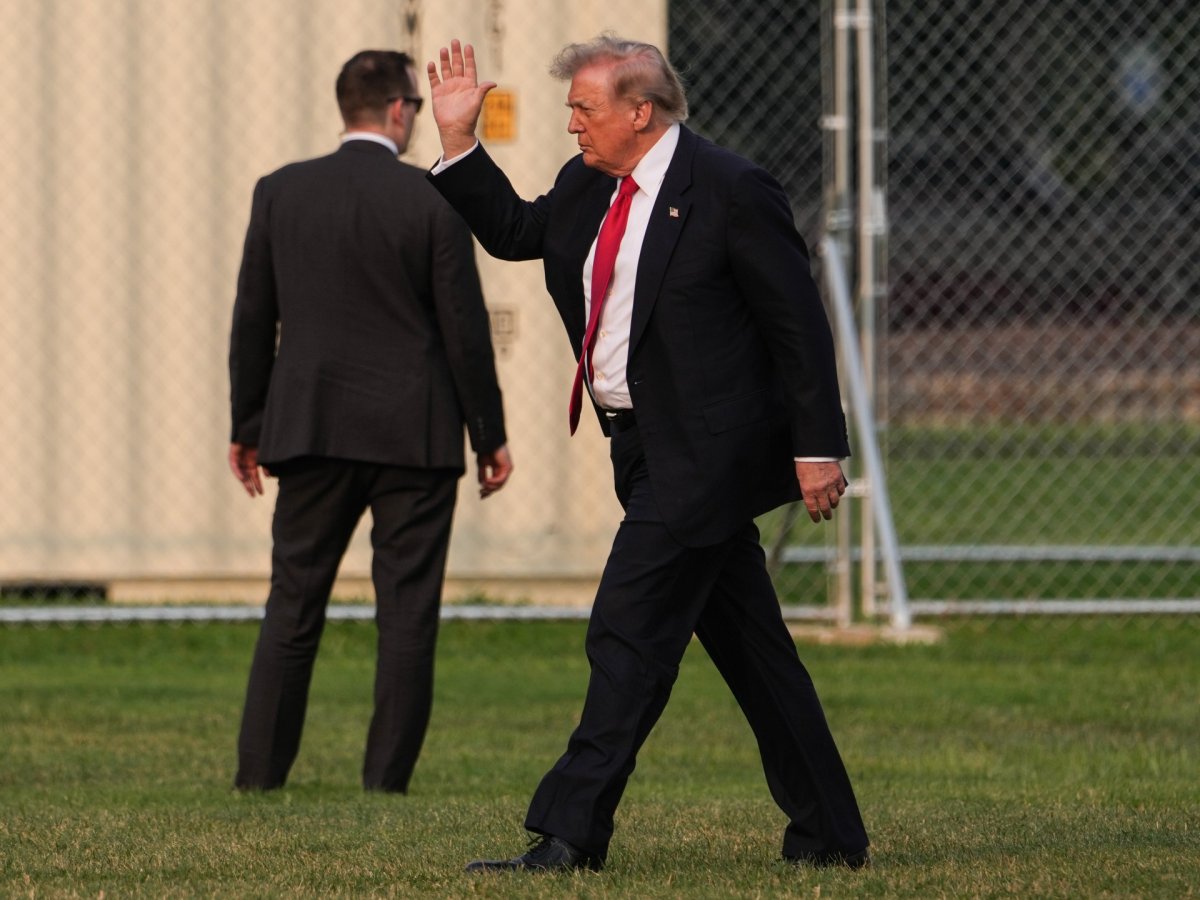
President Donald Trump told Fox News that the US would deliver a beating to Iran if provocations continue. He specifically warned that diplomacy's failure could lead to strikes on Pickax Mountain, an Iranian nuclear enrichment site.
The comments came amid heightened tensions and left little room for ambiguity. Trump's language underscored a readiness to escalate beyond conventional targets.
Officials have noted that such statements aim to deter further Iranian missile or drone activity. The threat targets a key element of Iran's nuclear infrastructure.
Airstrikes Resume Across Iranian Territory
CENTCOM began launching airstrikes across Iran with a very broad target set starting July 28. This ended a 13-day pause in US bombing that had briefly opened space for diplomacy.
The renewed campaign follows the Jordan missile incident and the string of drone attacks. Military sources indicate the strikes aim to degrade command structures and weapons facilities.
Make no mistake, the pause's end shows diplomacy yielded no lasting restraint from Tehran. Operations now prioritize rapid degradation of Iranian capabilities.
Timing Ties to Netanyahu's White House Visit
The attack coincided with Israeli Prime Minister Benjamin Netanyahu's White House visit on Tuesday. Coordination between US and Israeli leadership appears central to the response planning.
Analyst Hamidreza Azizi of the German Institute for International and Security Affairs noted that Tehran may be signaling a shift to preemptive strikes. This interpretation frames the Jordan launch as an attempt to seize initiative.
The overlap raises questions about whether Iranian actions sought to disrupt the diplomatic discussions. Netanyahu's presence in Washington likely shaped the speed of the US-Saudi counteroperation.
Drone Strike Hits Vessel in Egyptian Port
A US-owned gas-processing vessel was hit by a drone at Egypt's Damietta port. This marks the first reported strike of its kind inside Egyptian territory during the conflict.
The incident expands the geographic reach of Iranian-aligned operations beyond traditional theaters. Egyptian authorities have not yet released detailed assessments of damage or casualties.
Security analysts view the Damietta attack as an effort to pressure US economic interests through third-country infrastructure. It adds another layer to the 30-plus drone incidents recorded in recent days.
President Trump singled out the Pickax Mountain nuclear enrichment site in his warning to Iranian leaders, describing it as a prime target for elimination. He stated that if no deal emerges, forces would take it out very easily, framing the choice as one between negotiation and decisive action. This approach reflects a consistent strategy of presenting Iran with binary options on its nuclear program.
The site at Pickax Mountain houses advanced centrifuges critical to Iran's enrichment efforts, drawing international scrutiny for years. Trump's rhetoric underscores a policy that prioritizes rapid resolution over prolonged diplomacy. Regional powers monitor these statements closely, anticipating potential escalations if talks stall.
Broader US policy toward Iran now centers on this deal-or-destruction dynamic, influencing allied responses across the Gulf. Intelligence assessments confirm the site's role in advancing weapons-grade material production. Such public declarations aim to pressure Tehran while signaling resolve to domestic audiences.
Broader War Context and Oil Market Impact
The war began with major US-Israeli strikes on February 28, 2026. CENTCOM has struck over 11,000 targets in Iran since the conflict's start.
Oil prices spiked toward $86 per barrel amid concerns over the Hormuz Strait. Shipping routes through the vital waterway face renewed scrutiny from traders and governments alike.
These figures reflect sustained pressure on global energy supplies. The cumulative strike total of 11,000-plus underscores the scale of operations since February.
Strategic Implications for Regional Stability
Tehran's decision to target Jordan directly challenges assumptions about Iranian restraint. The interception success prevented casualties but highlighted vulnerabilities in forward-deployed US forces.
Joint US-Saudi action in Iraq demonstrates an evolving partnership against shared threats. Continued strikes on Iranian territory suggest the 13-day diplomatic window has closed without resolution.
Analyst assessments point to a possible Iranian pivot toward preemptive tactics. With oil markets already reacting at $86 per barrel, further disruptions in the Hormuz Strait could compound economic fallout.
Threats to the Strait of Hormuz have driven oil prices to $86 per barrel, disrupting global supply chains already strained by the six-month conflict that began on February 28, 2026. Closure risks in this vital waterway could spike costs further, affecting economies from Asia to Europe. Market analysts track tanker movements closely as tensions persist in the Gulf region.
The war's duration has compounded volatility in energy markets, with production cuts and rerouting adding to logistical burdens. Saudi and US responses seek to stabilize flows, yet militia activities continue to pose risks. Investors factor these geopolitical factors into forecasts extending through the remainder of the year.
Global reserves provide some buffer against immediate shortages, but prolonged disruptions would test that capacity. The $86 figure represents a notable increase from pre-conflict levels, reflecting cumulative impacts from the extended fighting. Policymakers in major economies now prioritize alternative energy routes to mitigate future shocks.
By Jessica Ali, Staff WriterThis article was produced with AI-assisted research and editorial support. Reporting is based on sources cited in the article.
What's Your Reaction?
 Like
0
Like
0
 Dislike
0
Dislike
0
 Love
0
Love
0
 Funny
0
Funny
0
 Wow
0
Wow
0
 Sad
0
Sad
0
 Angry
0
Angry
0

Editor-in-Chief at Global1.News. Atlanta-based journalist who cuts through the BS and tells it like it is. Lead anchor, host, and the voice you hear when the spin stops and the truth starts.











Comments (0)