
Tensions Rise Over Gulf of Paria Oil Spill as Venezuela Seeks Answers from Trinidad and Tobago
Port of Spain, Trinidad and Tobago – 15 May 2026. An oil spill in the shared waters of the Gulf of Paria has stirred fresh tensions between Trinidad and Tobago and Venezuela, with questions over volume, response and cross-border trust now echoing through fishing villages and government offices alike.
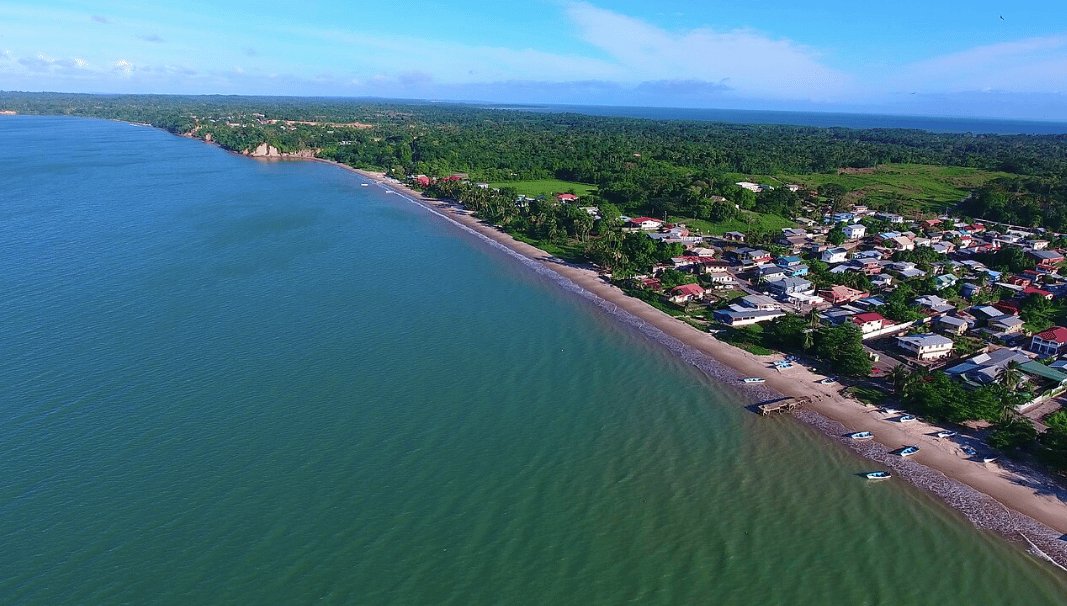
The Spill and Its Origins
The Gulf of Paria has long been a shared space between Trinidad and Tobago and Venezuela, where fishing communities on both sides depend on its waters for their daily bread. On May 1 2026 an oil spill occurred in this sensitive area, initially reported as involving around 10 barrels. Venezuelan experts later assessed the volume at closer to 300 barrels, raising fresh questions about how such incidents are measured and communicated across borders. Heritage Petroleum, the company that took over operations from the former Petrotrin, was identified as the source after a storage tank ruptured. For families in south Trinidad who still recall the refinery days, this incident touches on old worries about how energy infrastructure is maintained and monitored in our waters.
Heritage Petroleum took over from Petrotrin amid longstanding concerns over how former refinery assets are kept in good order. The transition has not erased memories of earlier maintenance shortfalls that left communities uneasy about storage tanks and pipelines near the coast. Timeline details show the spill was detected on May 1 2026, with Venezuela responding through formal channels soon after, highlighting the need for quicker cross-border updates. Local fishermen in south Trinidad remember similar events from Petrotrin times and now ask whether lessons from those days have truly been applied under the new operator. These questions sit alongside the reality that both nations rely on the gulf for fishing and energy work, making transparent handling of such incidents essential for trust on either shore.
Venezuela's Formal Demands
Venezuela's Foreign Minister Yván Gil has called for detailed information and compensation, stating that the spill reached the coastlines of Sucre and Delta Amacuro states and caused environmental damage. The Venezuelan side claims the incident threatens 1,625 square kilometres of wetland ecosystems that support local livelihoods. They have also pointed out that Trinidad and Tobago has not responded to earlier communications about the matter. This is not the first time spills from our side have affected Venezuelan ecosystems, and the latest development adds pressure on how both nations handle shared resources in the gulf, an area vital for fishing and oil and gas activities.
Yván Gil's specific demands centre on full details of the spill volume, response actions taken, and a clear path to compensation for the damage to wetlands and coastal communities. The diplomatic note process appears to have stalled, with Venezuela noting the absence of replies to previous messages, which has only heightened tensions over accountability. In practice, compensation would involve assessing the impact on fishing grounds and ecosystems across the 1,625 square kilometres, then agreeing on measures to restore livelihoods in Sucre and Delta Amacuro states. Venezuelan energy consultant Dr Einstein Millán Arcia has specifically accused Trinidad and Tobago of downplaying the true extent of the damage, pointing to the gap between the initial ten-barrel report and the later three-hundred-barrel assessment. This accusation adds weight to calls for joint verification methods that both countries can trust.
Trinidad and Tobago's Official Response
Energy Minister Dr Roodal Moonilal moved quickly to launch an investigation and stated that the government had dealt adequately with the spill. Officials have emphasised that the response was handled within existing protocols, yet the gap between the initial 10-barrel report and the later 300-barrel assessment has left room for discussion at home. In communities along the south-west coast, people are asking how such figures are verified and whether local fishermen received timely updates. The Ministry of Energy continues to work with Heritage Petroleum to review procedures, a step that many see as necessary to protect both jobs in the energy sector and the marine environment that supports small-scale fishing.
Environmental Concerns in the Shared Waters
The Gulf of Paria remains an ecologically sensitive zone where oil and gas production sits alongside important fishing grounds. Venezuelan energy consultant Dr Einstein Millán Arcia has accused Trinidad and Tobago of downplaying the true extent of the damage. For residents in Trinidad who remember earlier incidents linked to Petrotrin operations, these concerns feel familiar. Climate change already brings stronger storms and shifting fish patterns to our small island developing state, so any additional stress on wetlands and coastal areas adds to existing pressures. Local environmental groups are calling for more transparent monitoring that involves both countries, recognising that pollution does not respect the maritime boundary line.
Implications for Bilateral Diplomacy
Relations between Trinidad and Tobago and Venezuela have always required careful handling, given our close geography and shared energy interests. The current request for information and compensation arrives at a time when both nations continue to manage practical matters such as energy cooperation and people-to-people ties. Dr Moonilal's investigation offers one channel for dialogue, yet the lack of response noted by Venezuela suggests that clearer lines of communication may need strengthening. In Port of Spain and Caracas, officials understand that steady diplomacy helps avoid larger disputes that could affect trade, migration, and joint efforts in the energy field, including projects connected to Atlantic LNG.
Energy cooperation between Trinidad and Tobago and Venezuela includes work on the Dragon Gas field and arrangements tied to Atlantic LNG, both of which depend on stable relations to move forward. These projects bring jobs and revenue to families on our side while offering Venezuela a route to develop its resources under existing constraints. The broader geopolitical context sees Trinidad and Tobago navigating US sanctions on Venezuela while maintaining practical ties that support energy security for both sides. Officials must weigh the benefits of continued cooperation against the risk that unresolved incidents like this spill could strain those links. Clearer communication on environmental matters would help keep the focus on constructive outcomes rather than letting disputes grow into barriers for projects that matter to communities in both countries.
Broader Caribbean Regional Cooperation
CARICOM has long provided a framework for member states to address shared challenges, from crime and tourism to energy security and climate resilience. An incident like this one in the Gulf of Paria shows why regional mechanisms for environmental reporting and joint response could prove useful. Neighbouring countries watch how Trinidad and Tobago manages its energy assets, knowing that any spill can influence perceptions of the wider Caribbean as a destination for responsible investment. Community voices in Trinidad remind us that ordinary citizens bear the costs when incidents occur, whether through lost fishing days or concerns about long-term coastal health.
CARICOM has handled environmental disputes before through coordinated statements and technical working groups, offering a model that could apply here for quicker notification and shared monitoring. Other regional environmental agreements, such as those on marine pollution in the wider Caribbean, already exist and could be strengthened to cover oil and gas incidents that cross borders. For Caribbean energy security, the spill highlights how one nation's infrastructure issues can ripple outward, affecting perceptions of reliability for investors eyeing projects in Barbados, Guyana, and Jamaica. Strengthened CARICOM mechanisms could turn this incident into a chance to build better joint response systems that protect livelihoods from Trinidad to the rest of the Caribbean basin.
Looking Ahead for the Energy Sector
Heritage Petroleum's role in this matter brings renewed attention to how former Petrotrin assets are operated and regulated. The energy sector remains central to Trinidad and Tobago's economy, providing jobs and revenue that support families across the country. At the same time, the government must balance production goals with environmental safeguards that protect the gulf's fishing communities and wetlands. As investigations continue, many in the south are hoping for clearer updates that rebuild confidence in both the industry and the institutions that oversee it. Practical steps such as improved tank maintenance and cross-border notification systems could help prevent similar events and keep relations with Venezuela on a constructive path.
By Sharon Sahatoo, Staff Writer.This article was produced with AI-assisted research and editorial support. Reporting is based on sources cited in the article.
What's Your Reaction?
 Like
0
Like
0
 Dislike
0
Dislike
0
 Love
0
Love
0
 Funny
0
Funny
0
 Wow
0
Wow
0
 Sad
0
Sad
0
 Angry
0
Angry
0

Caribbean Correspondent at Global1.News. Based in Port of Spain, Trinidad, covering Caribbean politics, economy, energy, climate, and culture. Amplifying the voices and stories of the Caribbean region.












Comments (0)