
Bigger Take-Home Pay: Marcos Jr.'s Tax Relief Plan and What It Means for Filipino Families
President Marcos proposed raising the tax exemption threshold to P350,000 and exempting micro and small enterprises from MCIT. Finance Secretary Frederick Go says over 78,000 small businesses including sari-sari stores would benefit. The P60 billion in forgone revenue requires careful congressional balancing, but Filipino families and micro-entrepreneurs stand to gain significantly.
The Proposed Tax Relief Measures
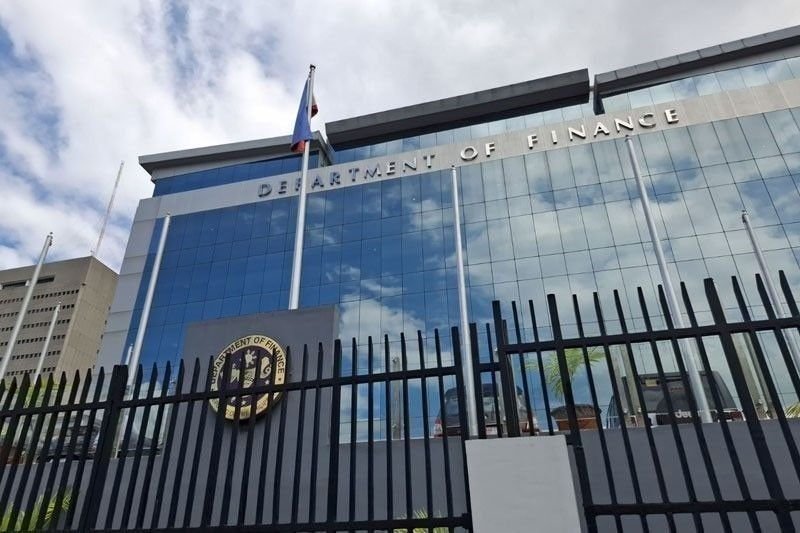
The Department of Finance has expressed full support for the tax measures outlined by President Marcos in his recent State of the Nation Address. These include raising the annual personal income tax exemption threshold to P350,000 from the current P250,000 and exempting micro and small enterprises from the minimum corporate income tax. Finance Secretary Frederick Go confirmed these steps would increase take-home pay for many workers while easing burdens on family-run businesses across the country.
Go spoke to reporters about how the reforms align with the department's goals. He noted the changes target ordinary Filipino households and the smallest enterprises that keep communities running. The Bureau of Internal Revenue would handle the implementation once Congress passes the necessary laws, ensuring the adjustments reach those who need them most.
How Families Stand to Gain
For a typical Filipino family in Manila or Cebu, the higher exemption threshold could mean several thousand pesos more each year in take-home pay. A household with combined earnings just above the old limit would keep more of their income for groceries, school supplies, and monthly utility bills. This relief matters deeply in a culture where extended families often pool resources to support children and aging parents.
Many overseas Filipino workers send remittances that help cover these same expenses. With extra money staying in paychecks, families could reduce their reliance on loans or cut back on the sari-sari store credit they sometimes use between remittances. The change would touch jeepney drivers and factory workers whose salaries hover near the current threshold, giving them breathing room without waiting for wage increases.
Local government units could also see indirect benefits as households spend more in their barangays. Barangay captains often hear stories of families stretching every peso, and this adjustment would ease some of that daily pressure on ordinary homes.
Relief for Micro and Small Enterprises
More than 78,000 tax-paying micro and small enterprises stand to benefit from the minimum corporate income tax exemption. These include small bakeries, neighborhood cafés, eateries, food stalls, sari-sari stores, and repair shops that form the backbone of many Philippine towns. Owners would no longer face the fixed tax burden even during slow months when sales barely cover costs.
Secretary Go highlighted how these family-run operations employ neighbors and keep money circulating locally. A sari-sari store owner in a provincial barangay could use the saved amount to restock shelves or hire a part-time helper during peak seasons. Such steps strengthen community ties and support the informal networks that help families during lean times.
The Department of Finance estimates the MCIT exemption would cost around P6 billion in forgone revenue. Yet the measure recognizes that many of these businesses operate on thin margins and already contribute through other taxes and local fees paid to their municipalities.
The Cost to Government Revenues
The personal income tax adjustment alone is projected to result in about P60 billion in forgone revenue. Department of Finance officials have been clear that this figure requires careful planning so essential services remain funded. Congress will need to weigh the trade-offs when deliberating the bills, balancing immediate household relief against longer-term budget needs.
Secretary Go has stressed that the reforms still support the department's overall fiscal targets. The Bureau of Internal Revenue would monitor collections closely once the changes take effect, looking for ways to improve compliance among larger taxpayers to offset the gap. This measured approach avoids sudden shortfalls that could affect programs serving the poorest communities.
Analysts note that similar past adjustments have sometimes led to higher consumer spending, which in turn generates other forms of revenue through value-added taxes on everyday purchases. The Department of Budget and Management would track these patterns to ensure national priorities stay on course.
Path Forward Through Congress and Beyond
The proposals now move to Congress for detailed review and possible refinement. Lawmakers will examine how the new thresholds interact with existing deductions and how the Bureau of Internal Revenue can streamline filing for both employees and small business owners. Public consultations may give voice to sari-sari store proprietors and young families who rarely appear in formal hearings.
Once approved, the measures would be phased in to allow smooth transition for payroll systems and tax software used by companies. Local government units stand ready to help spread information through barangay halls, ensuring even remote communities understand the new rules. This community-centered rollout reflects the Philippine value of bayanihan, where neighbors support one another during change.
Over time, the adjustments could encourage more formal registration among micro enterprises, bringing them into the tax system gradually rather than through penalties. Families across the archipelago would feel the difference in their monthly budgets, from the rice fields of the north to the coastal towns of the south.
By Bella Reyes, Staff WriterThis article was produced with AI-assisted research and editorial support. Reporting is based on sources cited in the article.
What's Your Reaction?
 Like
0
Like
0
 Dislike
0
Dislike
0
 Love
0
Love
0
 Funny
0
Funny
0
 Wow
0
Wow
0
 Sad
0
Sad
0
 Angry
0
Angry
0

Philippines/Southeast Asia Correspondent at Global1.News. Manila-based journalist covering Philippine politics, environment, maritime security, and social issues. Passionate about marine conservation and the communities protecting the Philippines' natural heritage.














Comments (0)