
Kumamoto Quake Causes Widespread Economic Disruption
A magnitude 7.1 earthquake struck Kumamoto Prefecture on July 28, 2026, killing at least 18 people and causing massive economic disruption. The Aeon Mall, which had only reopened in June after reconstruction from the 2016 quake, was devastated by a gas explosion. Nippon Paper Industries and multiple factories suspended operations. Transportation networks including the Kyushu Expressway and Shinkansen rail services were paralyzed. Prime Minister Takaichi mobilized disaster response as the Hina...
Kumamoto Quake Triggers Economic Shock Across Kyushu
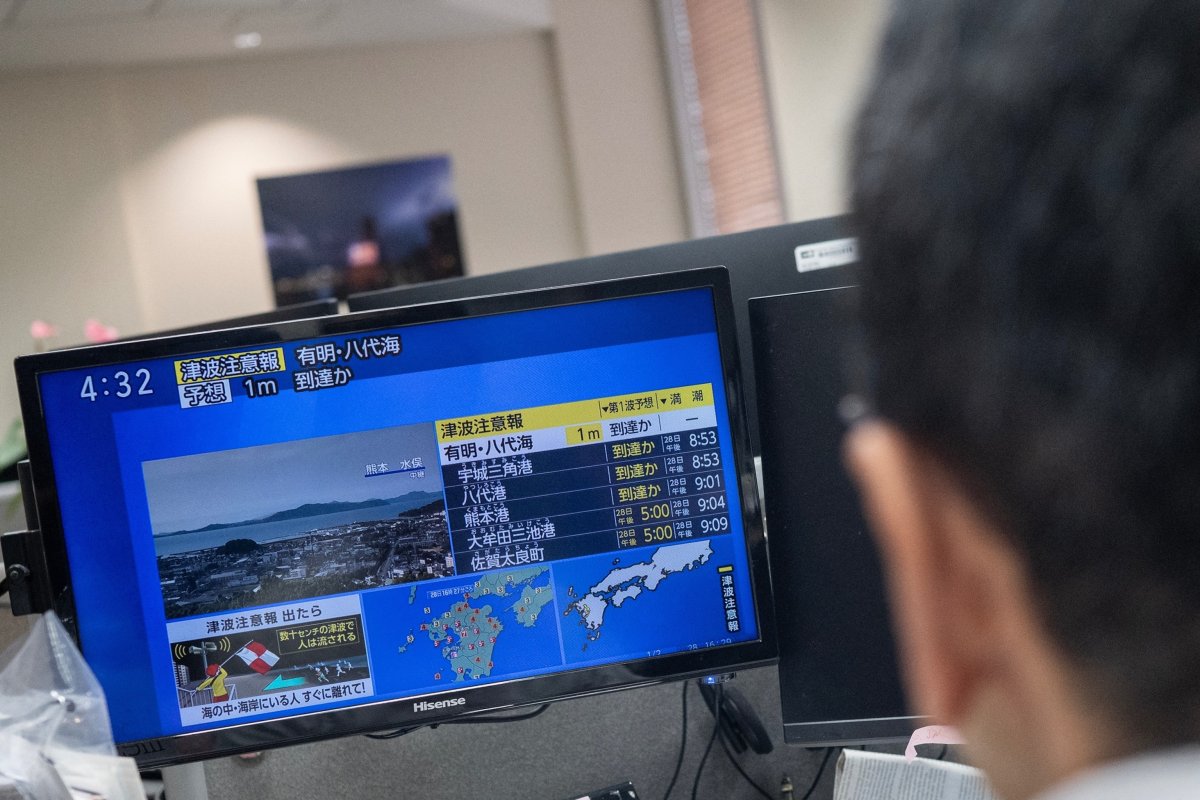
The magnitude 7.1 earthquake that struck Kumamoto Prefecture on Tuesday afternoon has inflicted severe damage on the region's economic infrastructure, with major commercial facilities collapsing, factories suspending operations, and transportation networks grinding to a halt. The disaster, which struck at 4:27 p.m. local time on July 28 near the coastal city of Uto, approximately 48 kilometers southwest of Kumamoto City, has left at least 18 people dead and hundreds injured as rescue operations continue.
Tags: Kumamoto earthquake, Japan economy, Aeon Mall, Nippon Paper Industries, Kyushu, supply chain disruption, Takaichi, Hinagu fault, disaster recovery, business impact
Aeon Mall Explosion Compounds Human and Economic Toll
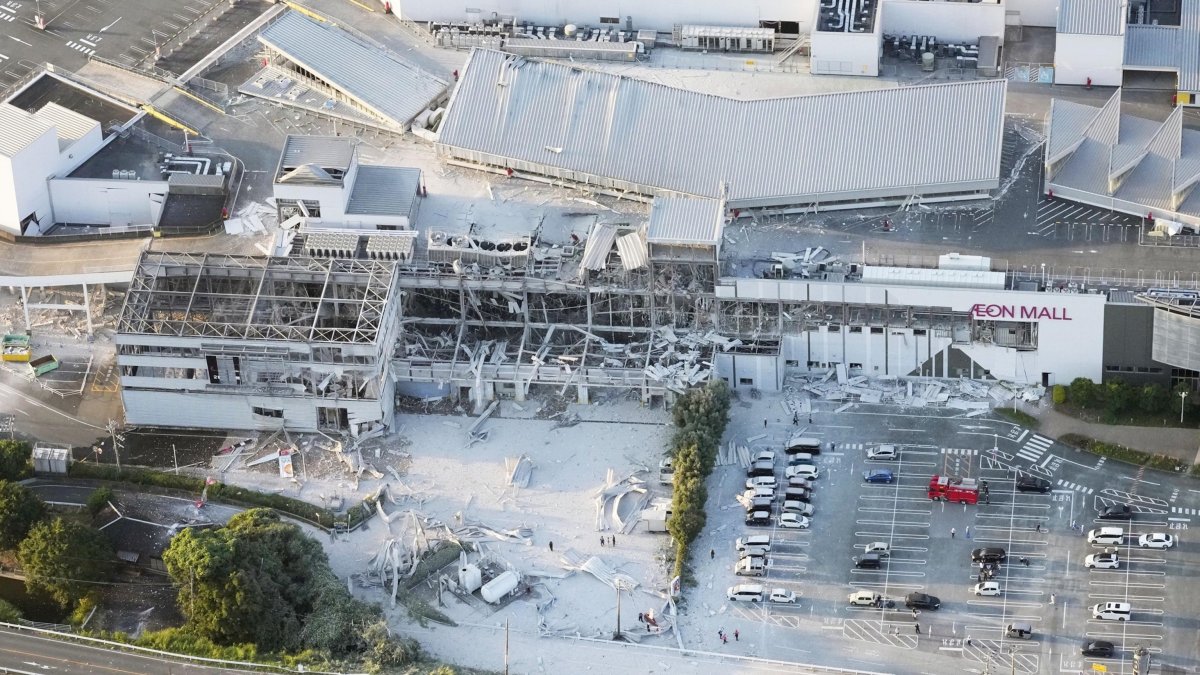
The most dramatic single incident occurred at the Aeon Mall in Kashima, Kumamoto Prefecture, where a powerful explosion ripped through the shopping complex approximately one hour after the initial quake. The blast tore away one side of the mall, which houses roughly 200 stores, exposing steel beams and scattering debris across a vast parking lot. Local broadcaster NHK reported that 20 to 30 employees remain unaccounted for, while mall operator Aeon confirmed that four workers were still missing after checks of approximately 2,700 staff members. Customers had been evacuated immediately following the earthquake, but employees who remained to assess damage or secure the facility were caught when the explosion occurred.
The timing of the disaster carries particular poignancy: the Aeon Mall had only reopened on June 13, just six weeks before the quake, after undergoing extensive reconstruction following the devastating 2016 Kumamoto earthquakes. The reopening was widely celebrated as a symbol of the region's recovery — a "fresh start" for one of Kyushu's major shopping and entertainment destinations. Now, residents and business owners face the prospect of rebuilding once again.
Industrial Fallout: Nippon Paper, Manufacturing, and Energy
Beyond the retail sector, Kumamoto's industrial base has suffered significant blows. A chimney collapsed at a Nippon Paper Industries factory in the region, with workers reported missing. The company, one of Japan's largest paper manufacturers, has suspended operations at the affected facility pending safety inspections. Multiple other factories across Kumamoto Prefecture have also halted production as companies assess structural damage to their facilities.
The Sendai Nuclear Power Plant in neighboring Kagoshima Prefecture, south of Kumamoto, reported no abnormalities following the earthquake, according to plant operators. The two-reactor facility, operated by Kyushu Electric Power, underwent safety inspections immediately after the quake as a precautionary measure. The absence of damage at the nuclear facility provides some relief to energy markets, though the broader disruption to Kyushu's power grid remains a concern.
Initial reports indicated that approximately 45,600 households lost electricity immediately after the earthquake, though power restoration efforts are underway. The extent of damage to substations and transmission lines in the affected area is still being assessed.
Transportation Paralysis: High-Speed Rail, Highways, and Air Travel
Kumamoto's transportation infrastructure has been severely compromised, with cascading effects on regional logistics and supply chains. The Kyushu Expressway sustained major damage, with NHK footage showing sections of the roadway split apart by seismic forces. High-speed rail services across Kyushu were suspended immediately after the earthquake, and flights to and from Kumamoto Airport were grounded. Several passengers aboard Shinkansen bullet trains at the time of the quake sustained injuries as emergency braking systems activated.
The disruption to transportation networks poses the most immediate threat to the regional economy. Kumamoto Prefecture is a significant manufacturing hub, particularly for semiconductors and electronics components, industries that operate on just-in-time supply chains. Any prolonged interruption to freight movement along the Kyushu Expressway or rail corridors could ripple through Japan's broader industrial supply chain.
Geological Context: The Hinagu Fault Zone Returns
Japan's Meteorological Agency has identified the Hinagu fault zone as the likely source of Tuesday's earthquake, the same fault system responsible for the devastating 2016 Kumamoto earthquakes that killed over 200 people and caused extensive damage across the region. The 2016 sequence included a magnitude 7.0 mainshock preceded by a magnitude 6.2 foreshock, both resulting from movements along the Hinagu and Futagawa fault zones.
Scientists have noted that the 2026 earthquake's location and mechanism are consistent with continued seismic activity along this active fault system. The Japan Meteorological Agency has warned that strong aftershocks could continue over the coming days and weeks, complicating rescue efforts and potentially causing further damage to already weakened structures.
Government Response: Takaichi Administration Mobilizes
Prime Minister Sanae Takaichi announced that authorities were assessing the full extent of damage across Kumamoto Prefecture, deploying disaster response teams and Self-Defense Forces personnel to the affected areas. The government has established an emergency task force to coordinate rescue operations, infrastructure assessment, and economic support measures.
The timing of the disaster adds a political dimension: Takaichi had been expected to make a formal decision on Thursday regarding a proposed reduction in the consumption tax rate on food products, a policy that has divided her cabinet. The earthquake is likely to shift the government's immediate focus toward disaster response and reconstruction spending, potentially delaying the tax decision. Japan's disaster management budget and the government's ability to rapidly disburse reconstruction funds will face an early test in the coming days.
International Response and Regional Solidarity
Taiwan has already expressed support for quake-hit Kumamoto, with officials noting the long history of mutual assistance between Japan and its island neighbor during natural disasters. The earthquake was reportedly strong enough to be felt in South Korea, approximately 200 kilometers away, underscoring the scale of the seismic event.
Economic Implications for Japan and the Asia-Pacific Region
The economic impact of the Kumamoto earthquake extends well beyond Kyushu. Japan's semiconductor industry, which has facilities in the Kumamoto region, faces potential supply disruptions that could affect global electronics supply chains. The region is also a major agricultural producer, particularly of melons, tomatoes, and rice, and damage to farmland and distribution networks could affect food prices in the coming months.
Insurance analysts will be closely monitoring the scale of claims from this disaster. The 2016 Kumamoto earthquakes resulted in insured losses of approximately $5.5 billion, according to catastrophe modeling firms. Given that the 2026 earthquake has struck the same region with significant damage to commercial property, industrial facilities, and infrastructure, total economic losses could be substantial.
What to Watch For
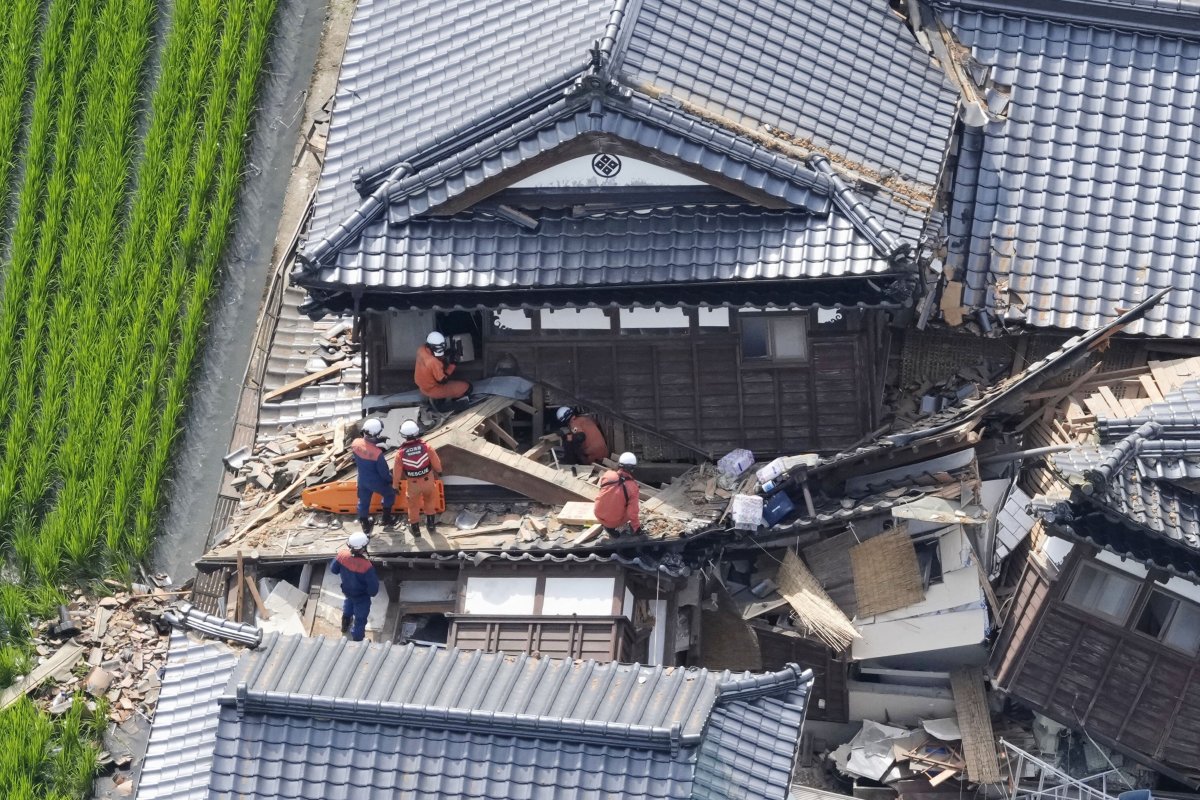
In the coming days, the death toll is expected to rise as rescue crews reach areas that remain inaccessible. The full extent of structural damage to commercial and industrial buildings will become clearer as safety inspections proceed. The government's disaster relief package and any supplementary budget measures will be closely watched by financial markets. For Japan's broader economy, the Kumamoto earthquake serves as a stark reminder of the country's persistent vulnerability to seismic events and the need for continued investment in disaster-resilient infrastructure.
The Hinagu fault zone's return to activity, a decade after the 2016 disaster, raises important questions about the region's long-term seismic risk assessment and the adequacy of building codes and disaster preparedness measures in one of Japan's most seismically active areas.
By Kenji Tanaka, Staff Writer
This article was produced with AI-assisted research and editorial support. Reporting is based on sources cited in the article.
What's Your Reaction?
 Like
0
Like
0
 Dislike
0
Dislike
0
 Love
0
Love
0
 Funny
0
Funny
0
 Wow
0
Wow
0
 Sad
0
Sad
0
 Angry
0
Angry
0

Japan Correspondent at Global1.News. Tokyo-based voice covering Japanese politics, technology, economy, and culture. Tracks the intersection of tradition and innovation in one of the world's most dynamic societies.















Comments (0)