
Trump's 'One Shot' Remark at Khamenei Funeral: Iran Tensions Escalate
Trump's Remark and the Tehran Funeral Scene US president Donald Trump expressed surprise at the scale of public mourning for the slain Iranian supreme leader Ali Khamenei, noting the thousands who gathered despite the circumstances of his death. In remarks to Axios yesterday, he highlighted how the assembled leaders presented a concentrated target, stating that just one shot co
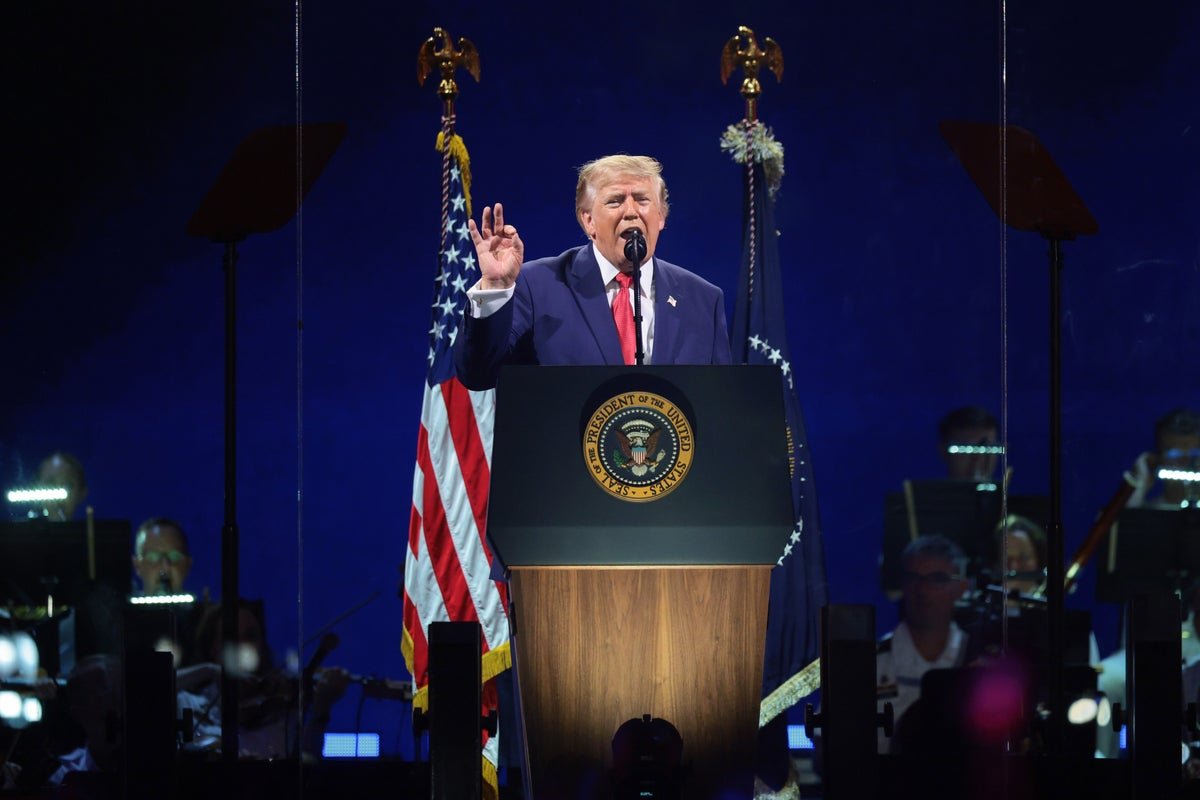
Trump's Remark and the Tehran Funeral Scene
US president Donald Trump expressed surprise at the scale of public mourning for the slain Iranian supreme leader Ali Khamenei, noting the thousands who gathered despite the circumstances of his death. In remarks to Axios yesterday, he highlighted how the assembled leaders presented a concentrated target, stating that just one shot could eliminate them all at the funeral. Trump made clear his decision against such action rested on the need to retain counterparts for any future negotiations, underscoring a pragmatic calculation amid heightened tensions.
The comment framed the gathering as an unexpected opportunity that the United States chose not to exploit. Trump observed that the Iranian side appeared eager to reach a settlement, yet he extended a week without further pressure specifically to allow the funeral to proceed. This gesture, described by the president as an act of niceness, connected directly to the context of the US attacks in February that resulted in Khamenei's death along with several family members.
By linking the funeral arrangements to ongoing diplomatic possibilities, Trump positioned the United States as retaining leverage while avoiding total disruption of channels. The remark revealed an awareness of the regime's structure, where the concentration of figures at one site could alter the balance of power in unpredictable ways. Such observations came against the backdrop of the February strikes, which had already removed key individuals from the leadership circle.
The president's words carried an implicit recognition that eliminating the entire assembled group would leave no immediate negotiating partners on the Iranian side. This restraint was presented as deliberate, even as the turnout of mourners surprised observers in Washington. The week-long pause for the funeral thus served both as a practical allowance and a signal of calculated patience amid the broader conflict.
Overall, the statement blended astonishment at the public response with a strategic assessment of the risks and opportunities presented by the funeral gathering. It tied recent events in February to the current moment, illustrating how the United States viewed the assembled leaders as both a threat and a potential avenue for dialogue. The approach avoided immediate escalation while keeping options open for future engagement.
(The Independent)
Public Mourning at the Grand Mosalla
Khamenei's coffin has been placed on display under glass outdoors at the Imam Khomeini Grand Mosalla in Tehran, alongside those of family members killed in the same February US attacks. The display includes his daughter, son-in-law, daughter-in-law, and 14-month-old granddaughter, creating a visible focal point for public grief. This arrangement has drawn thousands of mourners to the courtyard, where banners of the Islamic Republic and red flags are prominently waved.
The atmosphere at the site reflects deep public sentiment, with chants of "Death to America!" echoing through the gathering and calls for revenge directed at those responsible for the February strikes. The presence of multiple coffins underscores the personal losses suffered by the Khamenei family, amplifying the emotional weight of the proceedings. Mourners have used the occasion to express collective defiance in the face of external pressure.
Ayatollah Mojtaba Khamenei, the son and new leader who was injured in the February attack, has not appeared publicly since those events. His absence from the visible mourning rituals has left questions about the immediate continuity of leadership during this period of national reflection. The display of the coffins under glass allows for a structured form of public homage while maintaining security considerations at the Grand Mosalla.
The red flags and banners serve as symbols of ongoing resistance, transforming the funeral into a platform for broader political expression. Thousands have converged despite the risks, demonstrating the scale of support for the late supreme leader's position. This turnout surprised external observers, including the US president, who commented on the numbers assembled.
The combination of family coffins and public demonstrations highlights how the February attacks extended beyond a single individual to affect an entire household. The outdoor setting under glass facilitates widespread viewing while preserving the solemnity of the occasion. Such scenes illustrate the depth of feeling in Tehran as the country processes the losses from earlier in the year.
Iran's Response
Iran issued a strongly worded statement criticising Donald Trump's remark as offensive, while defending the legacy of the late supreme leader Ali Khamenei. The response emphasised that the ideals associated with Khamenei would endure beyond any individual loss, framing the attacks as ultimately counterproductive. This position was articulated through Iran's embassy in Yerevan, which used social media to convey the message.
The statement employed the metaphor of a perfume bottle, noting that while people can be killed, ideals cannot, and that breaking such a vessel only spreads its scent further. This imagery sought to portray the removal of Khamenei not as a decisive blow but as an act that would amplify his influence across the region. The embassy's choice of platform on X allowed the message to reach a wide international audience quickly.
By rejecting the notion that the death of the supreme leader represented a strategic victory, the Iranian response reinforced the resilience of the country's ideological foundations. The criticism of Trump's comments focused on their perceived disrespect toward the mourning process and the funeral arrangements. This stance signals Tehran's determination to maintain its posture even as external pressures mount.
The perfume bottle analogy provided a vivid counter-narrative to suggestions that the regime's leadership could be neutralised in a single action. It positioned the loss as one that would inspire rather than diminish support for the established ideals. Iran's embassy statement thus served both as a rebuke and a reaffirmation of continuity in the face of provocation.
Overall, the response from Tehran reveals a posture of defiance combined with an appeal to enduring principles. It directly addressed the US president's remarks while shifting focus to the broader legacy that outlasts any single figure. This approach aims to rally domestic sentiment and communicate resolve to external actors monitoring the situation.
Implications for Britain
The escalation described in the source text, involving remarks about concentrated leadership at the funeral and the February attacks, carries potential consequences for British interests in the region. The Foreign Office would need to assess how such public statements affect stability, particularly regarding any British nationals present in Iran during this period of heightened emotion and public gatherings.
Britain's established diplomatic channels with Iran, including the presence of an embassy in Tehran, provide a foundation for monitoring developments arising from the mourning scenes and the US president's comments. The historical engagement through multilateral formats has allowed the United Kingdom to maintain lines of communication even when tensions rise, as evidenced by the current funeral-related pause.
Energy security considerations come into focus when public demonstrations include calls for revenge and anti-American chants, given the proximity of key maritime routes. The Strait of Hormuz remains a critical passage, and any perception of increased instability from the assembled mourners or leadership changes could influence assessments of supply reliability.
Travel advice from British authorities would likely reflect the risks associated with large-scale public events at sites such as the Imam Khomeini Grand Mosalla, where red flags and banners signal strong sentiments. The absence of the new leader from public view adds an element of uncertainty that diplomats would factor into guidance for citizens.
The combination of the US decision to grant a week for the funeral and Iran's critical response creates a fluid environment that Britain must navigate carefully. Officials would weigh the potential for further statements or actions against the need to protect nationals and maintain access to information from the region.
Britain's Diplomatic Calculations
The United Kingdom faces the task of balancing its longstanding special relationship with the United States against the need for coordinated European responses to the situation outlined in the source material. The E3 format involving the UK, France and Germany offers a mechanism for joint positions that can complement or temper unilateral American statements such as the one made to Axios.
Whitehall's approach emphasises preserving options for dialogue, mirroring the US president's reference to retaining negotiating partners after the funeral. This calculation recognises that abrupt changes in Iranian leadership structures, including the injury to Ayatollah Mojtaba Khamenei, require careful observation rather than immediate alignment with every public remark.
Coordination through European channels allows Britain to signal support for stability while avoiding direct endorsement of comments that Iran has labelled offensive. The perfume bottle metaphor in the Iranian embassy statement illustrates the rhetorical divide that British diplomats must bridge in their communications.
At the same time, the special relationship provides access to insights from Washington regarding the reasoning behind the week-long funeral pause and the surprise at mourner numbers. Balancing these elements enables the United Kingdom to advocate for measured steps that keep channels open despite the chants and flags visible in Tehran.
Ultimately, Britain's calculations centre on sustaining influence through both Atlantic and European avenues, ensuring that responses to the funeral scene and leadership transition do not foreclose future engagement. This dual track reflects the complexity of responding to concentrated gatherings and public mourning without escalating beyond the facts presented.
Regional Ripple Effects
The public display of coffins at the Grand Mosalla and the thousands of mourners waving red flags suggest that neighbouring Gulf states such as Saudi Arabia and the UAE will closely monitor how the new Iranian leadership under Ayatollah Mojtaba Khamenei consolidates its position. The absence of the new leader from view since the February attacks adds a layer of opacity that could affect regional calculations.
Proxy groups aligned with Tehran may interpret the chants for revenge and the defence of ideals in the Iranian statement as signals to maintain pressure elsewhere. The concentration of leaders at the funeral, as noted by the US president, highlights how quickly the balance within the regime could shift, a development watched by actors across the Gulf.
The nuclear programme status remains a background concern, given that any change in the supreme leader's circle could influence decision-making timelines. The Iranian embassy's emphasis on enduring ideals rather than individuals suggests that core policies are unlikely to alter immediately despite the losses.
Regional powers will assess whether the US restraint during the funeral week creates space for de-escalation or merely delays further moves. The scale of mourning and the symbolic use of banners indicate sustained domestic support that could translate into firmer stances in proxy arenas.
Overall, the events described point to ripple effects that extend beyond Tehran, influencing how Gulf capitals interpret both the US comments and Iran's metaphorical response about the spread of scent from a broken bottle.
The Path Ahead
Donald Trump indicated a willingness to pursue talks, noting that the Iranian side wants to settle and that the funeral period had been accommodated to allow space for eventual negotiations. This stance leaves open the possibility that discussions could resume once the mourning at the Grand Mosalla concludes and leadership visibility returns.
Iran's position, as expressed through the embassy statement, prioritises the defence of the late supreme leader's legacy over immediate engagement prompted by external remarks. The perfume bottle imagery conveys that the ideals will persist, suggesting that any path to talks would need to account for this continuity rather than assume a weakened posture.
Britain and its allies will watch for signs that the new leader, Ayatollah Mojtaba Khamenei, emerges publicly and whether the calls for revenge among mourners translate into policy shifts. The US decision not to act on the concentrated gathering preserves the potential for dialogue but also keeps tensions alive.
The combination of public demonstrations and official criticism indicates that Iran will approach any future contacts from a position of asserted resilience. Observers will note whether the week-long funeral pause leads to renewed diplomatic activity or further rhetorical exchanges.
In the coming period, attention will focus on whether the desire to settle mentioned by the US president can overcome the defensive tone adopted in Tehran. The facts surrounding the funeral and the remarks to Axios provide the immediate context against which any movement will be measured.
By Erica Thornton, Staff Writer
This article was produced with AI-assisted research and editorial support. Reporting is based on sources cited in the article.
What's Your Reaction?
 Like
0
Like
0
 Dislike
0
Dislike
0
 Love
0
Love
0
 Funny
0
Funny
0
 Wow
0
Wow
0
 Sad
0
Sad
0
 Angry
0
Angry
0

US Politics and Policy Correspondent at Global1.News. Based in Washington DC, covering American politics, policy, elections, and the courts. Knows how the system works and tells you what it actually means.










Comments (0)