
Trump Accuses Iran of Downing US Helicopter Near Strait of Hormuz
Trump Accuses Iran of Downing US Helicopter Near Strait of Hormuz The Incident and Initial US Reaction President Donald Trump stated on his Truth Social platform that Iran had shot down a US Apache helicopter patrolling the Strait of Hormuz. He indicated that both pilots were rescued uninjured and that Washington would need to respond to the event. CENTCOM confirmed the recover
The Incident and Initial US Reaction
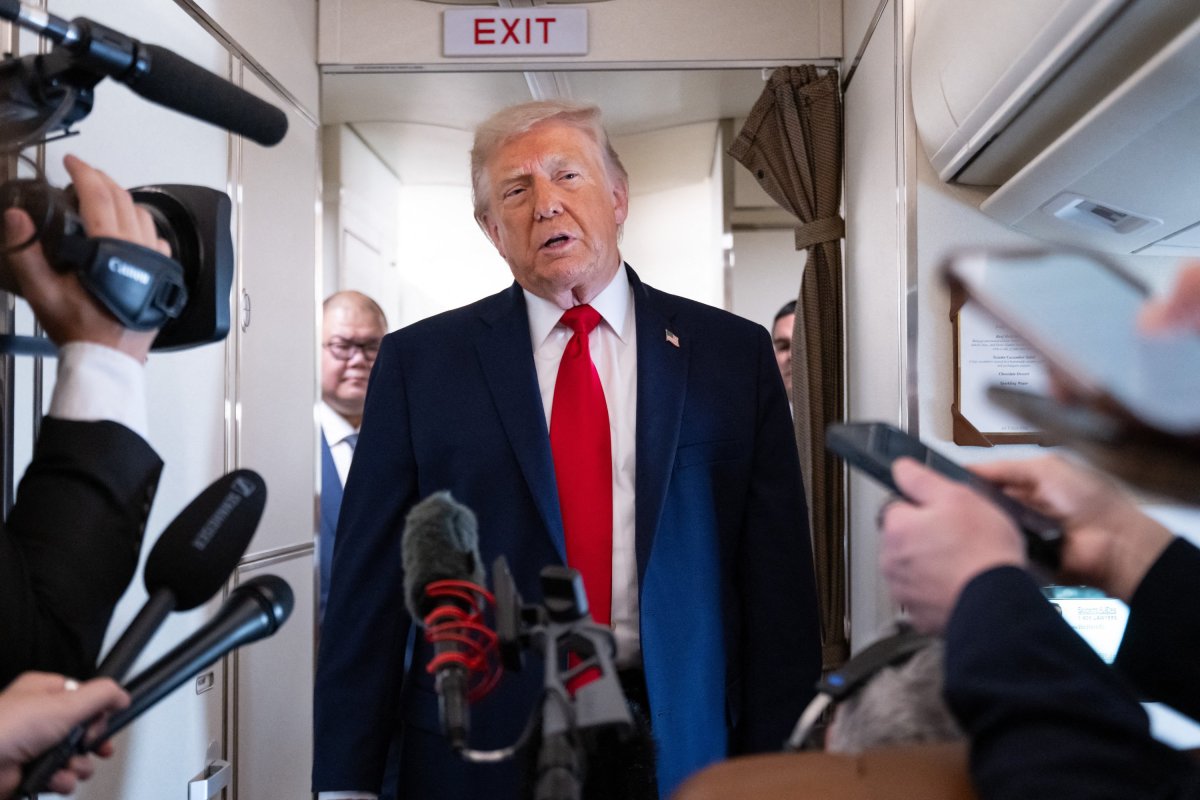
President Donald Trump stated on his Truth Social platform that Iran had shot down a US Apache helicopter patrolling the Strait of Hormuz. He indicated that both pilots were rescued uninjured and that Washington would need to respond to the event. CENTCOM confirmed the recovery of the two crew members after the Monday crash but noted that the cause remains under investigation.
Historical Precedents of US-Iran Encounters in the Gulf
US and Iranian forces have clashed periodically in the Strait of Hormuz and surrounding waters since the 1980s. During the Iran-Iraq War, the United States conducted Operation Praying Mantis in 1988 after Iranian mines damaged a US warship. Earlier incidents included the downing of Iran Air Flight 655 by the USS Vincennes in 1988. These episodes illustrate how limited naval or air contacts near the strait can rapidly escalate when both sides maintain high force postures.
Link to Recent Israel-Iran Exchanges
The helicopter incident occurred after several days of direct strikes between Israel and Iran that were followed by a pullback. The sequence highlights the fragile nature of any temporary de-escalation. Iran maintains a network of regional partners, while Israel continues to prioritize its qualitative military edge. Any new US action would therefore be assessed by both Tehran and Jerusalem in the context of these ongoing calculations.
Gulf Arab States' Energy and Security Concerns
Saudi Arabia, the UAE, and other GCC members rely on the free flow of oil and liquefied natural gas through the Strait of Hormuz. Roughly one-fifth of global oil trade transits the waterway. Officials in Riyadh and Abu Dhabi have historically urged Washington to avoid steps that could trigger sustained Iranian disruption of shipping lanes. At the same time, these states continue to advance Vision 2030-style diversification plans that still depend on stable energy revenues in the near term.
Trump's Range of Response Options
Possible US measures include additional naval deployments, targeted sanctions on Iranian oil exports, or limited kinetic strikes on IRGC-linked facilities. Each option carries different risks of Iranian retaliation against commercial shipping or US forces. Past administrations have weighed similar choices, often favoring measures that signal resolve without triggering a wider conflict that could push oil prices sharply higher.
Strategic Calculus for Washington and Tehran
The United States seeks to deter further Iranian actions against its assets while preserving freedom of navigation. Iran, facing economic pressure and domestic constraints, calculates that controlled escalation can raise costs for its adversaries without inviting decisive retaliation. Both sides must also consider how China and Russia might exploit any prolonged instability to expand their own influence in Gulf energy markets and arms sales.
Potential Effects on Oil Markets and Regional Stability
Even the threat of renewed confrontation near Hormuz tends to lift benchmark crude prices and widen insurance premiums for tankers. Gulf producers such as Saudi Arabia and Iraq monitor these movements closely because higher volatility can affect OPEC+ quota discussions. Over time, sustained tension may accelerate efforts by Asian importers to diversify supply routes away from the strait.
By Malik Hassan, Staff WriterThis article was produced with AI-assisted research and editorial support. Reporting is based on sources cited in the article.
What's Your Reaction?
 Like
0
Like
0
 Dislike
0
Dislike
0
 Love
0
Love
0
 Funny
0
Funny
0
 Wow
0
Wow
0
 Sad
0
Sad
0
 Angry
0
Angry
0

Middle East Correspondent at Global1.News. Based in Beirut, covering politics, conflict, energy, and society across the Middle East. Brings context and depth to a region often reduced to headlines.












Comments (0)