
FBI Director Patel's Russia Visit Revives Ties After Decade
In a notable shift in U.S.-Russia security relations, FBI Director Kash Patel is preparing to travel to Moscow and St. Petersburg in mid-October, marking the first such visit by a sitting FBI director since 2013.
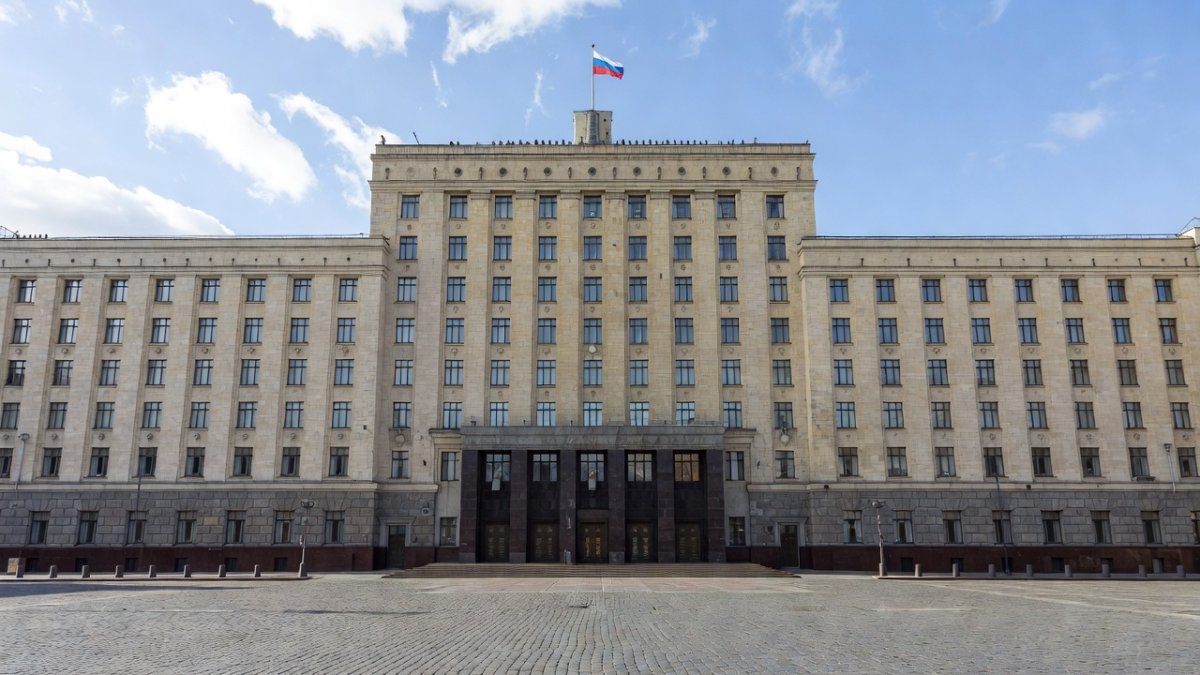
In a notable shift in U.S.-Russia security relations, FBI Director Kash Patel is preparing to travel to Moscow and St. Petersburg in mid-October, marking the first such visit by a sitting FBI director since 2013. The trip, focused on law enforcement cooperation, forms part of wider high-level contacts between the Trump administration and Kremlin officials. This development revives a long-dormant channel amid ongoing efforts to address the war in Ukraine through backchannel diplomacy.
FBI Director Patel's Russia Visit Revives Ties After Decade
Moscow, Russia — The planned visit of FBI Director Kash Patel marks a notable step in bilateral security discussions, as officials from both nations prepare for closed-door meetings on shared challenges.
The Planned Visit of FBI Director Kash Patel to Russia
Kash Patel, who became FBI Director in 2025 under the Trump administration after previously serving as acting director of the ATF, is scheduled to travel to Moscow and St. Petersburg in mid-October. This marks the first visit by a sitting FBI director to Russia since 2013. The trip, reported by Politico citing a U.S. official and a person familiar with the arrangements, focuses on law enforcement cooperation and forms part of wider high-level contacts between the Trump administration and Kremlin officials.
Historical Context of FBI Director Engagements with Russia
The last confirmed visit by a sitting FBI director occurred in 2013, reflecting a period when direct contacts between U.S. and Russian security services were more routine. Since then, bilateral law enforcement ties have operated under significant constraints due to sanctions, mutual expulsions of diplomats, and differing priorities on counterterrorism and cyber issues. Patel's upcoming itinerary revives a channel that has remained dormant for over a decade, signaling an effort to restore structured dialogue at the operational level.
The post-2013 freeze in FBI-Russia ties stemmed directly from the Magnitsky Act's sanctions regime, which targeted Russian officials for human rights abuses and prompted retaliatory measures from Moscow. Snowden's 2013 disclosures further eroded trust by exposing U.S. surveillance practices, while the 2016 election interference probes crystallized mutual accusations of meddling. These events triggered the expulsion of dozens of Russian diplomats and the shuttering of consulates in Seattle and San Francisco, effectively dismantling operational channels between the FBI and FSB.
Under the Trump 2025 administration, a pragmatic thaw has emerged through selective backchannel reactivation, prioritizing counterterrorism and migration issues over ideological confrontation. This shift reflects a calculated recalibration, where historical grievances are subordinated to immediate geopolitical leverage, though underlying suspicions persist in both agencies' institutional cultures. Analysts interpret this as an attempt to compartmentalize security talks from broader political disputes, though success remains contingent on verifiable reciprocity from Moscow.
The Expected Role of the FSB in Facilitating the Trip
Russia's Federal Security Service, known as the FSB, is expected to serve as the primary host for Director Patel during his time in Moscow and St. Petersburg. The FSB maintains primary responsibility for counterintelligence and internal security matters within the Russian government structure. Such hosting arrangements typically involve closed-door discussions on shared threats, though specific agenda items remain undisclosed at this stage.
The FSB's Fifth Service, responsible for international liaison, coordinates foreign intelligence contacts through structured protocols that emphasize reciprocity and deniability. Pre-2014 joint counterterrorism operations, including intelligence sharing on Chechen networks and al-Qaeda affiliates, established precedents for limited FBI-FSB collaboration despite broader rivalries. These efforts often bypassed formal diplomacy, relying on secure hotlines and ad-hoc meetings in neutral venues. Russian officials have attributed such past cooperation to mutual operational needs rather than political alignment.
Domestically, the FSB functions as a key enforcer of Putin's political order, vetting all external engagements to align with Kremlin priorities. Its role in trip facilitation thus serves dual purposes: enabling operational dialogue while ensuring no concessions undermine regime stability or expose internal vulnerabilities. This dual-track approach, in the view of some observers, allows Moscow to test U.S. flexibility on sanctions without committing to public concessions.
Kremlin Spokesman Dmitry Peskov's Official Statement
Kremlin spokesman Dmitry Peskov declined to confirm or deny details of the visit when questioned by reporters. Peskov stated that "these kinds of visits usually happen behind closed doors," consistent with standard Russian practice of limiting public commentary on sensitive security contacts. This response aligns with the Kremlin's established approach to managing information around high-level engagements.
Broader Pattern of Trump Administration Contacts with Moscow
The planned FBI trip builds on a series of recent meetings involving U.S. special envoy Steve Witkoff and Jared Kushner, who have traveled to Russia multiple times in connection with efforts to address the war in Ukraine. These engagements represent a deliberate sequence of outreach by the current administration aimed at exploring avenues for bilateral stabilization. Russian officials have participated in these discussions while maintaining their core positions on security guarantees and territorial issues.
Witkoff and Kushner conducted at least four documented Moscow visits, yielding modest outcomes such as preliminary energy-sector discussions but little tangible policy progress. Russian state media, including RT and Sputnik, framed these trips as evidence of Western division and U.S. elite pragmatism, amplifying narratives of inevitable normalization. The St. Petersburg Economic Forum appearances further underscored this pattern, positioning administration figures as outliers willing to engage despite sanctions. European diplomats have expressed concern that such bilateral tracks could sideline NATO coordination.
Senate and congressional reactions ranged from bipartisan calls for transparency to warnings of undue influence, while European allies expressed alarm over potential bypassing of NATO coordination mechanisms. These contacts reveal a consistent preference for personalistic diplomacy that prioritizes bilateral optics over multilateral consensus. Critics in Washington argue this risks legitimizing Russian positions prematurely, while supporters see it as necessary leverage for future negotiations.
Recent U.S. Participation in Russian Economic Forums
The announcement follows the appearance of a Trump White House commissioner at the St. Petersburg International Economic Forum in recent months. Such participation indicates incremental steps toward re-engagement in both economic and security domains. From the U.S. perspective, these moves reflect an interest in testing whether sustained dialogue can produce tangible outcomes on conflict resolution.
Signals for Ukraine Negotiations and Diplomatic Strategy
Analysts suggest that Patel's visit could indicate a widening of the channels through which the Trump administration seeks to influence negotiations over the war in Ukraine. While it remains unknown whether Patel will meet President Vladimir Putin or senior Kremlin aides, the inclusion of FSB-hosted discussions in Moscow and St. Petersburg adds a security dimension to the existing diplomatic track. Russian sources have framed similar contacts as opportunities to convey positions directly, whereas U.S. officials have emphasized the need for verifiable steps toward de-escalation.
FBI-FSB dialogue slots into Ukraine peace architecture as a parallel security track, potentially addressing verification of ceasefires and intelligence-sharing on violations. Kremlin objectives center on sanctions relief and de facto recognition of occupied territories, using backchannels to test U.S. flexibility without public commitments. Security guarantees discussions may involve mutual non-expansion assurances, though Moscow's demands remain maximalist. U.S. officials have attributed any progress to quiet diplomacy rather than public pressure.
U.S. domestic implications include heightened partisan scrutiny, with critics viewing such engagement as premature legitimation of territorial gains. This approach risks fracturing alliance cohesion while offering the administration leverage to claim diplomatic momentum ahead of electoral cycles. Interpretation of these moves varies sharply between capitals, with Washington stressing pragmatism and Moscow insisting on recognition of its security red lines.
Perspectives from Both Capitals on Future Relations
Washington views the trip as part of a pragmatic effort to manage competition while pursuing specific objectives related to Ukraine. Moscow, for its part, continues to stress that any improvement in ties must account for its stated security concerns. This dual framing illustrates the cautious nature of the current thaw, where incremental contacts coexist with persistent strategic differences.
By Irina Volkov, Staff Writer
This article was produced with AI-assisted research and editorial support. Reporting is based on sources cited in the article.
What's Your Reaction?
 Like
0
Like
0
 Dislike
0
Dislike
0
 Love
0
Love
0
 Funny
0
Funny
0
 Wow
0
Wow
0
 Sad
0
Sad
0
 Angry
0
Angry
0

Russia/Eastern Europe Correspondent at Global1.News. Covering Russian politics, energy, security, and the shifting dynamics of the post-Soviet space. Provides clear-eyed analysis on one of the world's most opaque regions.











Comments (0)