
The Polygamist — Netflix's Zulu-Language Series Conquers Africa and the World
The Global Rise of a Zulu-Language Sensation The Polygamist stands as a striking example of how African storytelling can capture imaginations far beyond the continent. Released on 12 June 2026, this 22-episode series quickly moved from local conversations into international headlines. Its Zulu-language dialogue and Johannesburg setting ground the narrative in authentic South Af
The Global Rise of a Zulu-Language Sensation
The Polygamist stands as a striking example of how African storytelling can capture imaginations far beyond the continent. Released on 12 June 2026, this 22-episode series quickly moved from local conversations into international headlines. Its Zulu-language dialogue and Johannesburg setting ground the narrative in authentic South African life while exploring universal themes of family, loyalty, and betrayal. Audiences have responded with intense engagement, sharing personal stories that mirror the on-screen events.
From the opening scenes at a fictional tycoon's funeral, the series draws viewers into a web of relationships that challenge conventional ideas about marriage. The show does not shy away from the raw emotions that surface when hidden truths emerge. This approach has helped it connect with people who recognize similar dynamics in their own communities across Africa and beyond.
Unfolding the Intricate Plot Structure
The narrative opens at the funeral of wealthy Johannesburg businessman Jonasi Gomora. There, viewers meet his widow Joyce, a social media influencer dressed in a striking white outfit. It soon becomes clear that Joyce is not his only partner, as two other wives and a mistress arrive dressed in black. Emotions run high as secrets surface, setting the stage for a dramatic exploration of their shared history.
The story then spirals back over five years through a series of flashbacks. These sequences reveal the tangled relationships and toxic family dynamics that defined Jonasi's life. Each layer peeled back shows how choices made in private led to public confrontations. The structure keeps audiences invested as they piece together the events leading to the funeral chaos.
Jonasi, portrayed by South African actor Sdumo Mtshali, emerges as a central figure whose actions affect everyone around him. Fans have described him as a serial cheater and opportunist who would do anything to satisfy himself. The five-year timeline allows the series to examine how these patterns developed gradually rather than appearing suddenly.
Behind the Scenes with the Production Team
The series draws from the 2012 novel by Zimbabwean author Sue Nyathi. Netflix collaborated with South African production company Stained Glass TV to bring the story to the screen. Executive producers include Gugu Zuma-Ncube and Thuli Zuma, daughters of former South African president Jacob Zuma. Their involvement adds a layer of cultural authenticity rooted in Zulu traditions.
Jacob Zuma, who is 84 years old, has four wives, has been married six times, and is estimated to have 20 children. He remains greatly respected by supporters for upholding his cultural and traditional Zulu beliefs. Gugu Zuma-Ncube and Thuli Zuma's parents divorced in 1998 after 16 years of marriage. Another half-sibling also contributed as a writer on the series.
The production team at Stained Glass TV expressed surprise at the depth of the response. They noted that the show struck an emotional chord with women in relationships and children from particular households. This personal investment from the creators helped shape a narrative that feels lived-in and honest.
Record-Breaking Viewership Across Regions
Within hours of release, The Polygamist topped trend lists and sparked widespread social media discussion. It became the most watched show on Netflix in South Africa and Kenya. The series also reached the top 10 in Nigeria and Mauritius during its first week.
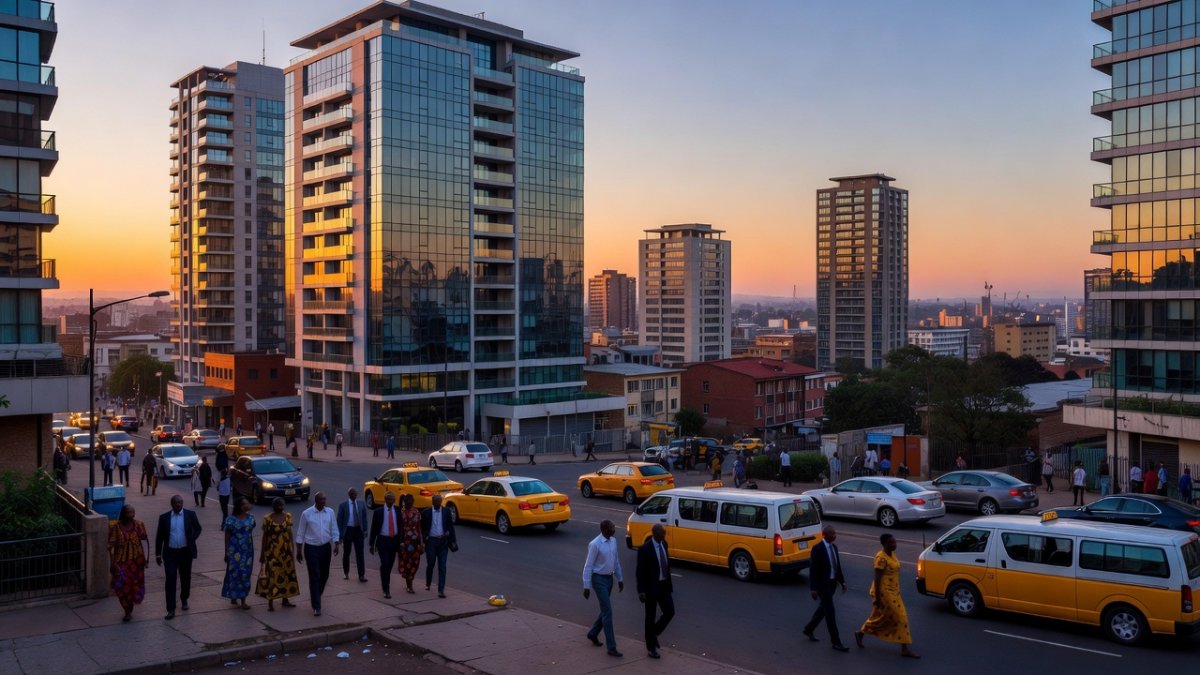
Global metrics showed two million views and a number four ranking on Netflix's top 10 list for non-English series. Beyond Africa, it ranked among the most watched shows in places such as Trinidad and Tobago, Romania, and the Dominican Republic. In Kenya, some minibus taxis in Nairobi were redecorated with Jonasi's face or name, reflecting the show's deep local impact.
The rapid spread highlights how stories centered on African experiences can resonate widely. Social media filled with memes and personal accounts about polygamy and faithless marriages. This organic sharing amplified the series without traditional marketing pushes.
Celebrity Reactions Fueling the Conversation
Nigerian Afrobeats star Davido tweeted that Jonasi is wild, capturing the chaotic energy many viewers felt. Hollywood figures also joined the discussion. Emmy-award winning talk-show host and actress Sherri Shepherd posted on Instagram that she thought Crazy Rich Asians was something, but crazy rich Africans is a whole 'nother level.
In reply, Taraji P Henson, known for roles in Hidden Figures and Empire, said the show had her in a chokehold and that she binged it in one day. These reactions from high-profile names helped introduce the series to audiences outside traditional African viewership circles. They underscored the universal appeal of the family drama at its core.
The celebrity commentary often focused on the opulence and complexity of the relationships. This attention brought fresh eyes to Zulu-language content and encouraged broader conversations about representation in global streaming.
Personal Connections Shaping Authentic Storytelling
Gugu Zuma-Ncube shared that a lot of the scenes in the show are taken directly out of their lives. She famously comes from a very polygamist family and brought that perspective into the production. The 41-year-old producer explained how her upbringing and experiences of others on the team influenced the narrative choices.
This personal foundation allowed the series to portray family tensions with nuance rather than judgment. Zuma-Ncube noted the team had been floored by the reception not just locally but across the continent. The reference to the climate of anti-migrant protests in South Africa added context to why authentic African stories matter now.
Viewers have connected with the broken families and broken society themes that emerge throughout the flashbacks. One fan, Letlhogonolo Mogale, who binged the show days after release, highlighted how the series reveals the fractures within households and communities.
Polygamy in South African Cultural Traditions
Polygamy is legally recognised in South Africa. Within Zulu, Xhosa, Ndebele, and Venda cultures, among others, it is not uncommon for a man to have multiple wives. The series uses this legal and cultural reality as its backdrop without simplifying the emotional complexities involved.
The funeral scene, with wives and a mistress present together, illustrates how these arrangements can intersect with modern life. Joyce's role as a social media influencer adds a contemporary layer to traditional expectations. The five-year structure shows how urban pressures and personal ambitions test long-standing customs.
Discussions around the show often contrast these traditions with evolving expectations in cities. The narrative does not resolve these tensions but presents them as lived realities that affect children, partners, and extended families alike.
A Senegalese Perspective on Shared African Practices
As a Senegalese journalist, I see clear parallels between the dynamics explored in The Polygamist and practices familiar in West Africa. Senegal, a Muslim-majority country, also recognizes polygamy under certain legal conditions, much like the framework described in South Africa. This shared legal space allows families to navigate multiple partnerships while balancing faith, culture, and daily responsibilities.
In Senegal, polygamous households often reflect both Islamic guidelines and longstanding ethnic traditions among groups such as the Wolof and Serer. The emotional undercurrents of loyalty, inheritance, and child-rearing that drive the Johannesburg story echo conversations heard in Dakar households. The series' focus on secrets emerging at a funeral resonates because similar revelations can upend family gatherings across West Africa.
The global embrace of the show, including its strong performance in Nigeria and Kenya, suggests that these themes transcend regional borders. For Senegalese viewers, watching Zulu characters confront the same questions about modern expectations versus traditional structures offers both recognition and reflection. The anti-migrant protests mentioned by the producers remind us that African stories must navigate internal divisions even as they find common ground in family matters.
Ultimately, The Polygamist demonstrates how one nation's cultural practices can illuminate broader continental experiences. In Senegal, where economic migration and urban growth also test family bonds, the series prompts quiet discussions about resilience and adaptation. Its success shows that honest portrayals of polygamy, drawn from lived experience, can foster empathy rather than division.
Lasting Echoes in Audience Lives
The emotional response has extended past initial viewings. Many women and young adults from complex households report seeing their own histories reflected in the flashbacks. This connection has turned the series into more than entertainment, serving as a catalyst for personal conversations about trust and legacy.
By grounding its drama in specific South African realities while reaching viewers in Romania and the Dominican Republic, the show proves the power of rooted storytelling. The production team's willingness to draw from their own polygamist backgrounds ensures the narrative carries weight beyond surface-level drama.
As discussions continue, The Polygamist leaves an imprint on how global audiences perceive African family life. Its blend of cultural specificity and emotional universality ensures it will remain a reference point for years to come.
By Amara Diop, Staff WriterThis article was produced with AI-assisted research and editorial support. Reporting is based on sources cited in the article.
What's Your Reaction?
 Like
0
Like
0
 Dislike
0
Dislike
0
 Love
0
Love
0
 Funny
0
Funny
0
 Wow
0
Wow
0
 Sad
0
Sad
0
 Angry
0
Angry
0
Canada Correspondent at Global1.News. Based in Toronto, covering Canadian politics, energy, trade, and US-Canada relations. Provides the Canadian perspective on North American and global affairs.












Comments (0)