
Super Typhoon Bavi Approaches Philippines — PAGASA Warns of Heavy Rain and Strong Winds
As Super Typhoon Bavi churns across the vast Pacific, Filipino families from the easternmost islands to the northern provinces are already checking their emergency kits and reaching out to neighbors. Located 2,929 kilometers east of Eastern Visayas, the storm carries maximum sustained winds of 205 kilometers per hour with gusts reaching 250 kilometers per hour. It moves west-so
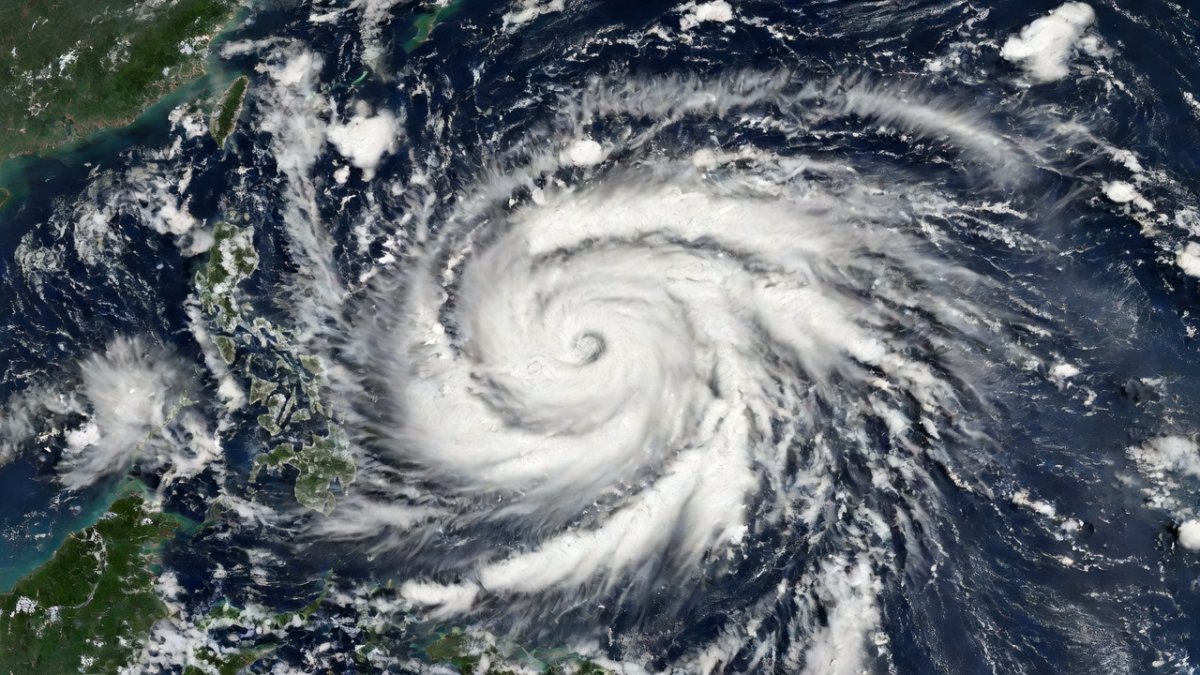
As Super Typhoon Bavi churns across the vast Pacific, Filipino families from the easternmost islands to the northern provinces are already checking their emergency kits and reaching out to neighbors. Located 2,929 kilometers east of Eastern Visayas, the storm carries maximum sustained winds of 205 kilometers per hour with gusts reaching 250 kilometers per hour. It moves west-southwestward at 25 kilometers per hour, and PAGASA continues to monitor its path closely.
Tracking Bavi’s Steady Approach
PAGASA reports that the system is expected to enter the Philippine Area of Responsibility this week. Once inside, it will receive the local name Inday. Forecasters note that the track may bring it close to Northern Luzon, where Tropical Cyclone Wind Signals could be raised for parts of Northern and Central Luzon. These signals serve as clear guides for local government units preparing evacuation plans and school suspensions.
The enhanced southwest monsoon triggered by the typhoon is forecast to bring widespread rainfall across many regions. At the same time, easterlies are already delivering rain to Cagayan Valley, the Bicol Region, Eastern Visayas, Aurora, Quezon, and the Dinagat Islands. Metro Manila residents may see only isolated showers from localized thunderstorms, yet the capital’s commuters know how quickly streets can flood when rains intensify.
Coastal Villages Ready Their Boats and Homes
In coastal communities of Eastern Visayas and Cagayan, fisherfolk are tying down bancas and moving gear to higher ground. Barangay captains have begun calling meetings under the shade of mango trees, reminding everyone that timely warnings from PAGASA allow families to act before conditions worsen. These early conversations reflect the deep trust placed in science-based forecasts that reach even the smallest sitios.
Parents are explaining to children why they might need to leave for evacuation centers if signals rise. The memory of past storms lingers, yet the presence of clear updates from weather authorities gives households a measure of calm. Many are already packing rice, canned goods, and medicines into sturdy plastic containers, following the practical lists shared by their local disaster risk reduction offices.
Farmers Watch the Skies and Their Fields
Further inland, farmers in Aurora and Quezon are checking rice paddies and vegetable plots. Heavy rains from the enhanced monsoon can turn low-lying fields into ponds overnight, threatening harvests that feed both local markets and urban tables. Agricultural technicians from provincial offices have started advising on drainage and livestock shelter, underscoring how every barangay works together when storms approach.
Tricycle and jeepney drivers in these provinces are also adjusting routes and schedules. They know that flooded roads mean longer waits for passengers and extra care for elderly riders. The bayanihan spirit shows itself here too, as neighbors offer rides or share fuel when one vehicle cannot pass.
Practical Steps Every Family Can Take Now
Preparation begins with simple actions that fit daily life. Households are encouraged to assemble a go-bag containing at least three days of food and water, flashlights with extra batteries, a battery-powered radio tuned to official updates, important documents in waterproof bags, and basic medicines. Parents should identify the nearest designated evacuation center and discuss the route with children.
Residents in low-lying areas should monitor announcements from their barangay captain about possible preemptive evacuation. Clearing gutters and securing loose roofing materials now prevents small problems from becoming dangerous during heavy rain. Those with elderly family members or persons with disabilities are urged to coordinate early with neighbors for assistance in moving to safety.
Drivers are reminded to avoid flooded roads and to keep vehicle fuel tanks above half full. Sari-sari store owners are stocking extra canned goods and candles, knowing that demand rises quickly once signals are raised. These steps, repeated across thousands of households, create a network of readiness that protects entire communities.
Metro Manila and the Monsoon’s Reach
Although Metro Manila may receive only isolated showers at first, the capital’s dense population means even brief downpours can disrupt traffic and flood underpasses. Commuters are advised to leave extra time for travel and to carry umbrellas and raincoats. Office workers and students should check with their institutions about possible class suspensions once signals are issued for nearby provinces.
The Department of Education and local government units will announce suspensions through official channels. Families are encouraged to follow these announcements rather than rumors, ensuring children remain safe at home when roads become hazardous. The same principle applies to work-from-home arrangements that many companies activate during stormy periods.
Standing Together Through the Season
Every typhoon season tests the resilience of Filipino communities, yet it also highlights the strength found in shared responsibility. From the first barangay meeting to the final cleanup after the rains, the culture of mutual aid remains central. PAGASA’s continued monitoring and the measured language of its bulletins give people the information they need to protect what matters most.
As Bavi moves closer, the focus stays on preparation rather than panic. Coastal families, farmers, fisherfolk, and city commuters each play a part in reducing harm. With clear warnings already issued and practical steps within reach, communities across the affected regions stand ready to face whatever the coming days bring.
By Bella Reyes, Staff WriterThis article was produced with AI-assisted research and editorial support. Reporting is based on sources cited in the article.
What's Your Reaction?
 Like
0
Like
0
 Dislike
0
Dislike
0
 Love
0
Love
0
 Funny
0
Funny
0
 Wow
0
Wow
0
 Sad
0
Sad
0
 Angry
0
Angry
0

Philippines/Southeast Asia Correspondent at Global1.News. Manila-based journalist covering Philippine politics, environment, maritime security, and social issues. Passionate about marine conservation and the communities protecting the Philippines' natural heritage.











Comments (0)