
Thailand Approves Myanmar Additional Diplomatic Land Request
Cabinet Decision Strengthens Thailand Myanmar Ties (Khaosod English) The Thai Cabinet approved a draft exchange of notes with Myanmar on Thursday that permits the neighbouring country to acquire an additional 3,306.8 square metres of land and buildings in Thailand for diplomatic and consular operations. Deputy Government Spokesperson Lalida Pherdsriwattana announced the decisio
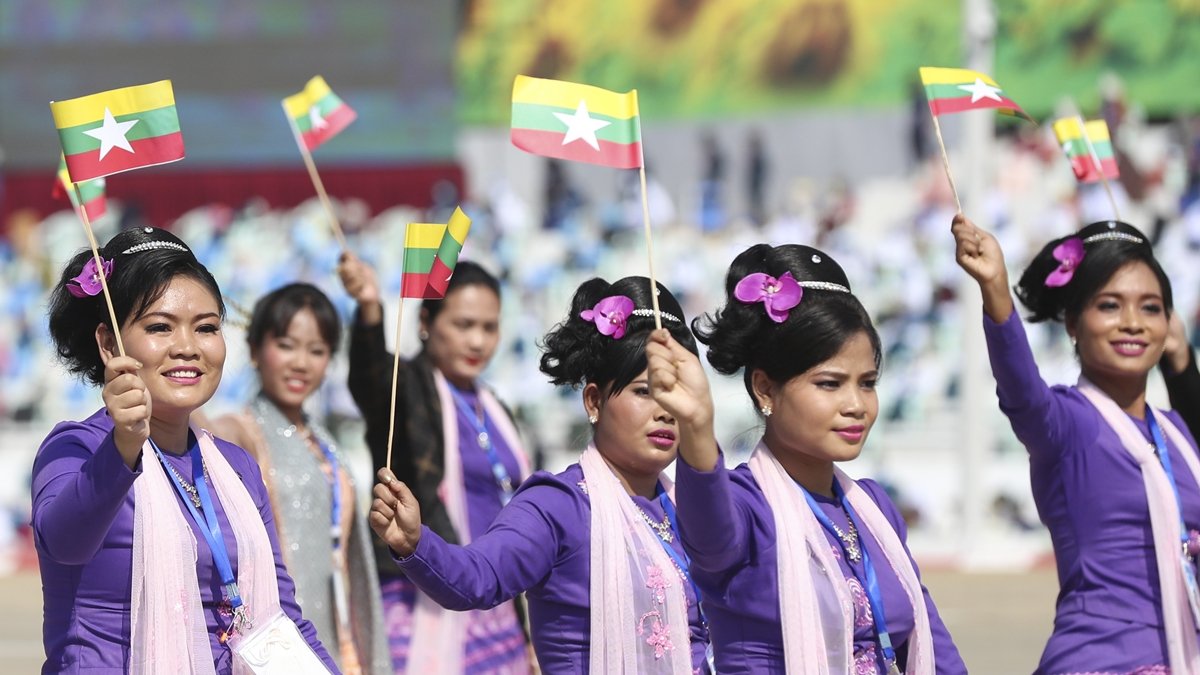
Cabinet Decision Strengthens Thailand Myanmar Ties
(Khaosod English)
The Thai Cabinet approved a draft exchange of notes with Myanmar on Thursday that permits the neighbouring country to acquire an additional 3,306.8 square metres of land and buildings in Thailand for diplomatic and consular operations. Deputy Government Spokesperson Lalida Pherdsriwattana announced the decision after the proposal from the Ministry of Foreign Affairs received formal endorsement. This step directly supports the ongoing management of the Royal Thai Embassy in Yangon and the Myanmar Embassy facilities in Bangkok.
Thailand currently holds 14,605 square metres of land and buildings in Yangon that serve as the Royal Thai Embassy and the ambassador's residence. Myanmar holds 16,600 square metres in Bangkok for its embassy and related diplomatic facilities. Both nations have maintained these properties since 1948 under reciprocal arrangements that the new approval extends.
Properties Targeted for Expansion in Chiang Mai and Bangkok
The additional land Myanmar requested includes a site in Chiang Mai designated for the expansion of the Myanmar Consulate-General. This property will also provide accommodation for the consul-general and staff members who handle consular services for Myanmar nationals in northern Thailand. The Ministry of Foreign Affairs confirmed that the Chiang Mai location supports daily operations for visa processing and citizen assistance.
A second property in Bangkok will serve as offices and residences for labour attaché personnel. These facilities will allow Myanmar officials to coordinate more effectively with Thai authorities on worker documentation and welfare matters. The Cabinet viewed both acquisitions as practical extensions of existing diplomatic infrastructure that has operated for more than seven decades.
Longest Shared Border Shapes Daily Cooperation
Thailand and Myanmar share the longest land border of any two Southeast Asian nations, stretching across multiple provinces in the north and west. This geography creates continuous movement of people and goods that requires steady diplomatic channels. The Cabinet approval on Thursday reaffirmed the close relationship built on this shared boundary and the need for reliable consular presence.
Border communities in provinces such as Chiang Mai and Mae Hong Son rely on these channels for trade and family connections. The Ministry of Foreign Affairs noted that expanded consular offices will help manage cross-border issues including trade facilitation and human security coordination. Officials from both countries already meet regularly to address these matters under existing bilateral frameworks.
Labour Affairs and Human Security Benefits for Thai Workers
The new Bangkok property for labour attaché personnel will strengthen cooperation on labour affairs between the two countries. Thailand hosts large numbers of Myanmar workers who contribute to construction, agriculture and manufacturing sectors. Improved office space allows attachés to process documents and resolve disputes more efficiently for both Thai employers and Myanmar employees.
Human security cooperation covers areas such as worker protection and safe migration routes. The Ministry of Foreign Affairs stated that the arrangement supports Thailand's commitment to international obligations and international law. This practical step helps maintain orderly labour flows that benefit the Thai economy while protecting the rights of workers from Myanmar communities.
Trade Investment and ASEAN Regional Implications
Expanded diplomatic facilities will also support trade and investment links that connect Thailand with Myanmar and the wider ASEAN region. Thai companies operating in Myanmar benefit from reliable consular support in Yangon, while Myanmar investors gain clearer channels in Bangkok. The Cabinet decision reflects Thailand's role as a stable hub for regional economic activity.
Within ASEAN, smooth diplomatic property arrangements set examples for other member states facing similar border and migration questions. Thailand's Ministry of Foreign Affairs emphasised that the exchange of notes upholds principles of reciprocity and mutual respect. Neighbouring countries observe these bilateral steps as models for managing shared challenges in trade corridors and labour mobility.
Cultural and Community Connections Across the Border
Buddhist communities in Thailand and Myanmar maintain long-standing temple links that cross the border. Monks and lay devotees travel between Chiang Mai temples and sites in Myanmar for religious observances and merit-making activities. The additional consular space in Chiang Mai will assist with travel documentation that supports these cultural exchanges.
Local markets in border towns depend on predictable consular services for small-scale traders who move goods daily. The Ministry of Foreign Affairs highlighted that the Cabinet approval facilitates these routine interactions while strengthening overall cooperation. Residents in northern provinces notice smoother processes when family members or business partners require official assistance from Myanmar authorities.
Commitment to International Law Guides Future Steps
The Thai Cabinet's approval demonstrates Thailand's consistent adherence to international law regarding diplomatic property. The Ministry of Foreign Affairs submitted the proposal after careful review of reciprocal ownership rules that have governed relations since 1948. Both countries will now proceed with the formal exchange of notes to finalise the land acquisitions.
This measured approach ensures that embassy and consulate operations remain efficient for citizens of both nations. Thai officials in Yangon and Myanmar officials in Bangkok can continue their work without interruption while the new properties come into use. The decision supports steady diplomacy that serves communities on both sides of the border.
Regional observers note that Thailand's handling of the request reinforces its position as a reliable partner within ASEAN frameworks. Continued cooperation on labour, trade and security issues depends on functional diplomatic infrastructure that the Cabinet has now endorsed for expansion.
By Ann Srisawat, Staff WriterThis article was produced with AI-assisted research and editorial support. Reporting is based on sources cited in the article.
What's Your Reaction?
 Like
0
Like
0
 Dislike
0
Dislike
0
 Love
0
Love
0
 Funny
0
Funny
0
 Wow
0
Wow
0
 Sad
0
Sad
0
 Angry
0
Angry
0

Southeast Asia Correspondent at Global1.News. Based in Bangkok, covering Thai and Southeast Asian politics, economy, technology, and culture. Deep regional perspective on one of the world's most dynamic regions.













Comments (0)