
TD Bank Holds Nova Scotia Customer Responsible for $15K in Fraudulent Transfers, Won't Explain How Account Hacking Was Ruled Out
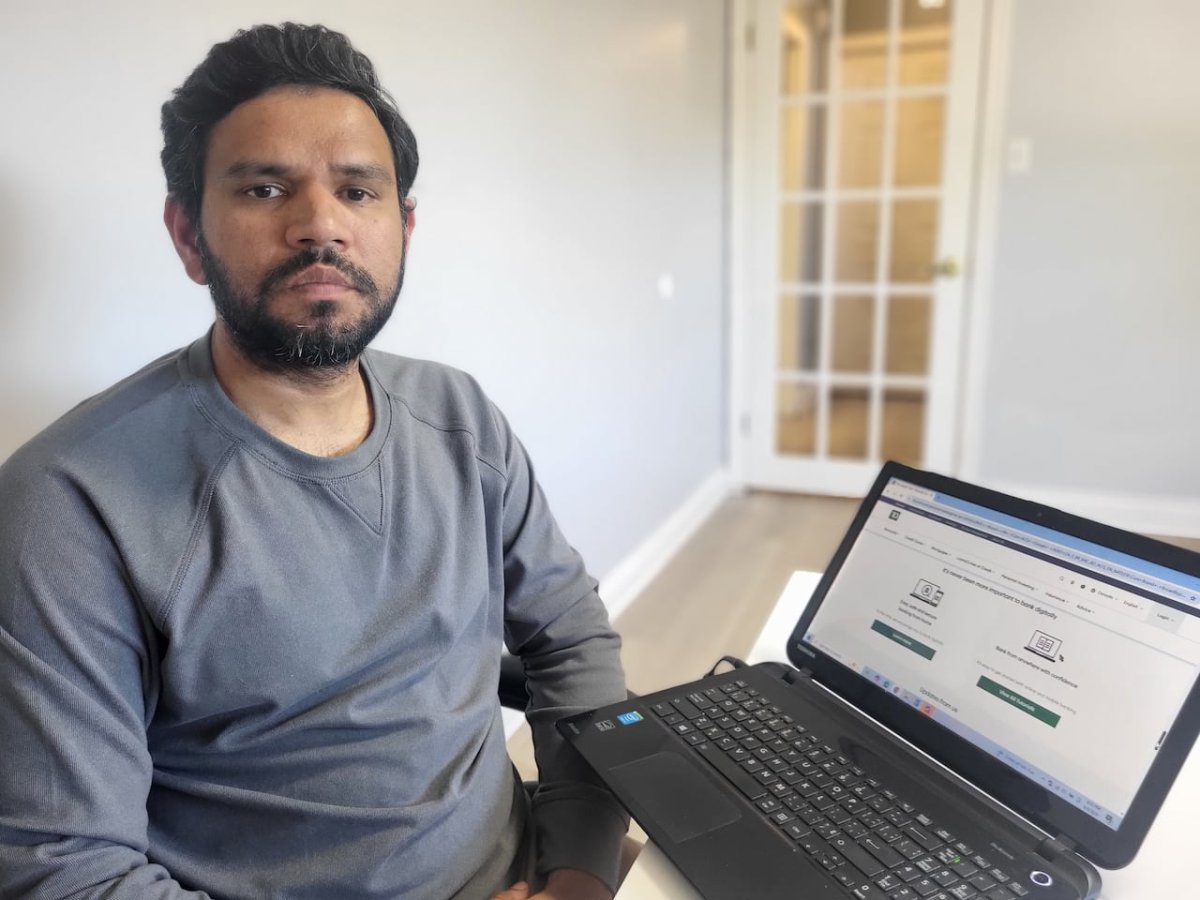
In a recent CBC News report featured in a YouTube video, Shakir Ahamed of Dartmouth, Nova Scotia, described losing nearly $15,000 through unauthorized e-transfers from his TD Bank account while working in payroll for the Canadian Coast Guard in the Maritimes. TD Bank Holds Nova Scotia Customer Responsible for $15K in Fraudulent Transfers, Won't Explain How Account Hacking Was R
In a recent CBC News report featured in a YouTube video, Shakir Ahamed of Dartmouth, Nova Scotia, described losing nearly $15,000 through unauthorized e-transfers from his TD Bank account while working in payroll for the Canadian Coast Guard in the Maritimes.
TD Bank Holds Nova Scotia Customer Responsible for $15K in Fraudulent Transfers, Won't Explain How Account Hacking Was Ruled Out
Dartmouth, Nova Scotia – June 2026 — In a recent CBC News investigation, a TD Bank customer in Nova Scotia described losing nearly $15,000 through unauthorized e-transfers from his account, only to be told by the bank that he was responsible for the loss — without receiving a clear explanation of how account hacking had been ruled out.

The Unauthorized E-Transfers Drained the Line of Credit
Shakir Ahamed received a text alert from TD Bank in July 2025 warning that his line of credit was approaching its limit. Over the following days, multiple "accept request" e-transfers moved funds out of the account to recipients including the cryptocurrency exchange Kraken and the payment processing firm Payper.
The email addresses [email protected] and [email protected] had already appeared in earlier fraud reports published by Thorold Today. Ahamed, a husband and father of two, only discovered the activity eight days after the transfers began, by which point his line of credit stood empty.
Ahamed had received a prior alert one month earlier when an attempt to e-transfer $1,900 was blocked. He filed a report with Halifax Regional Police immediately after learning of the July losses, which equalled almost one-third of his annual salary.
TD Bank Attributes Responsibility to the Customer
TD Bank informed Ahamed that he remained responsible because the transactions originated from his IP address and one-time passcodes had been entered. Ahamed stated he never received any of the ten passcodes that should have been sent during the period.
Despite repeated inquiries, the bank declined to explain how it had ruled out IP hijacking, malware infection, or account takeover. TD spokesperson Ashleigh Murphy stated only that the bank maintains "multiple layers of security, monitoring and customer education."
Ahamed escalated the matter to the Ombudsman for Banking Services and Investments (OBSI), which did not recommend that TD compensate him. The federal body reviews disputes between customers and banks after internal complaints processes conclude.
Cybersecurity Expert Questions Evidence of Negligence
Claudiu Popa, author of the Canadian Cyberfraud Handbook, reviewed the case and concluded that TD Bank has not demonstrated negligence on Ahamed's part. Popa noted that banks increasingly assign blame to customers without supplying concrete proof of carelessness.
Popa also asked why transfers directed to addresses previously linked to fraud did not prompt additional verification steps. He pointed out that Canadian banks operate under federal oversight yet face few requirements to publish detailed fraud investigation findings.
Comparable TD Cases Reveal Inconsistent Outcomes
Canadian military veteran Michael Panetta of Welland, Ontario, lost nearly $10,000 in a similar incident and received full reimbursement from TD only after signing a non-disclosure agreement. Kelly Enair of Thorold, Ontario, lost $3,000 and was offered half that amount by the same bank.
These cases illustrate varying reimbursement decisions across provinces even though TD operates under the same federal banking charter nationwide. The differences affect families already managing high living costs and limited savings in Atlantic Canada and Ontario.
Broader Effects on Canadian Families and Trust in Banking
The loss reduced Ahamed's household resources at a time when Bank of Canada interest rates continue to influence mortgage renewals and everyday expenses across the country. Families in Dartmouth and other Maritime communities often rely on stable payroll employment such as Coast Guard work to meet housing and childcare costs.
Consumer advocates have linked repeated fraud disputes to the need for stronger federal rules on e-transfer verification and clearer obligations for banks to share evidence when denying claims. Without such changes, customers in Nova Scotia and elsewhere may face prolonged uncertainty after account compromises.
What Happens Next
Ahamed continues to seek compensation while cybersecurity specialists call for banks to publish anonymized data on how they investigate account-takeover claims. Federal regulators already require banks to maintain security standards, yet enforcement of transparent fraud procedures remains limited.
The case highlights ongoing questions about how Canadian financial institutions balance rapid digital transactions with customer safeguards, particularly when funds move to cryptocurrency platforms and payment processors already flagged in prior incidents.
By Alex Thompson, Staff Writer
This article was produced with AI-assisted research and editorial support. Reporting is based on sources cited in the article.
What's Your Reaction?
 Like
0
Like
0
 Dislike
0
Dislike
0
 Love
0
Love
0
 Funny
0
Funny
0
 Wow
0
Wow
0
 Sad
0
Sad
0
 Angry
0
Angry
0

Canada Correspondent at Global1.News. Based in Toronto, covering Canadian politics, energy, trade, and US-Canada relations. Provides the Canadian perspective on North American and global affairs.















Comments (0)