
Marcos' Trust Rating Drops to 34% Ahead of 5th SONA
The Latest Trust Rating Signals a Shift President Ferdinand Marcos Jr. enters his fifth State of the Nation Address with a public trust rating that has slipped to 34 percent, according to a recent survey. This development comes at a time when many Filipino families are already feeling the weight of daily economic pressures.
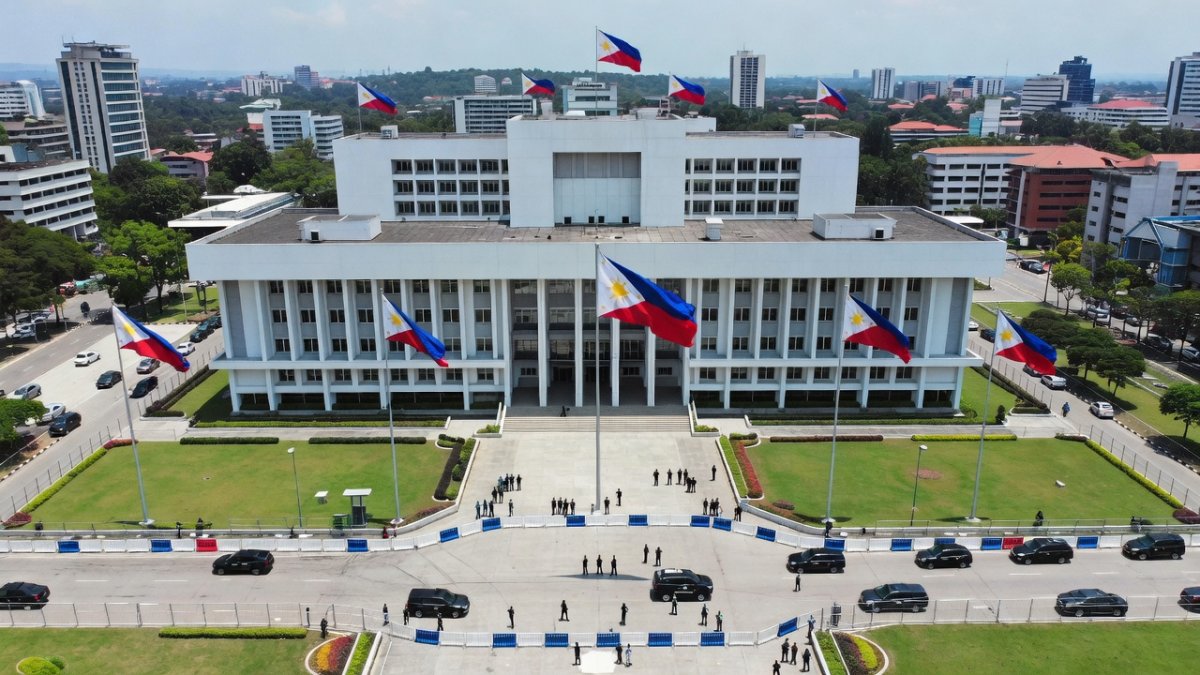
The Latest Trust Rating Signals a Shift
\nPresident Ferdinand Marcos Jr. enters his fifth State of the Nation Address with a public trust rating that has slipped to 34 percent, according to a recent survey. This development comes at a time when many Filipino families are already feeling the weight of daily economic pressures.
The figure reflects a noticeable change in public sentiment as the nation prepares for the annual address that traditionally outlines government priorities. For ordinary citizens, these numbers carry weight beyond statistics—they touch on hopes for better opportunities and relief from rising costs.
\n\n\n\nPresident Ferdinand Marcos Jr. enters this fifth SONA with a trust level that sits noticeably below the stronger support he enjoyed in the early years after taking office in 2022. Back then, many communities still held onto the optimism that came with fresh leadership and promises of steady progress. Over time, that early goodwill has softened as families across Luzon, Visayas, and Mindanao have watched daily expenses climb without matching improvements in income or services. The current 34 percent figure therefore feels less like an isolated dip and more like the cumulative result of several years of economic strain that ordinary households can no longer ignore.
\n\nPast presidents faced similar moments of reckoning during their own SONA seasons. Former President Duterte maintained relatively steady approval through much of his term even when controversies arose, while former President Aquino saw his numbers fluctuate with the pace of post-disaster recovery and reform efforts. In both cases, the public appeared willing to extend patience when visible relief reached barangays quickly. The present rating suggests that patience has worn thinner, especially when compared with how citizens in neighboring ASEAN countries view their own leaders amid shared regional challenges like supply-chain disruptions and post-pandemic recovery.
\n\nEconomic pressures have played a central role in shaping this shift. Persistent inflation has pushed up the cost of rice and other staples that form the backbone of Filipino meals, while fuel costs continue to affect everything from public transport fares to the price of goods delivered to neighborhood markets. These indicators do not exist in isolation; they directly influence how families decide whether government efforts are keeping pace with their needs. In contrast, several ASEAN counterparts have reported steadier approval ratings during comparable periods, often tied to more aggressive subsidies or targeted agricultural support that reached households faster.
SONA as a Moment of National Reflection
\nThe State of the Nation Address remains one of the most watched events in Philippine politics. It offers the president a platform to speak directly to Congress and the people about the state of the country. Over the years, SONA has become a fixture in Filipino households, with families gathering around televisions in barangays from Manila to the provinces.
\n\nThis fifth address arrives amid ongoing discussions about inflation, jobs, and public services. While the speech itself will detail plans, the preceding trust rating provides context on how citizens currently view leadership performance.
\n\nDaily Life for Jeepney Drivers and Sari-Sari Store Owners
\nConsider the jeepney driver navigating Manila traffic each morning. Fuel prices and vehicle modernization requirements already strain household budgets. A lower trust rating may signal to these workers that their concerns about livelihood are not fully addressed, affecting how they plan for the months ahead.
\n\nSari-sari store owners in the provinces face similar realities. Rising costs of goods mean thinner margins, and many rely on steady community spending. When public confidence dips, conversations at the neighborhood store often turn to whether government programs will bring tangible relief soon.
\n\n\n\nJeepney drivers in Metro Manila and provincial routes have felt the pinch of rising fuel prices most acutely, as each liter added to the tank reduces the already slim margin left after daily boundary fees and maintenance. Many operators now stretch their shifts longer or share routes with fellow drivers just to cover household needs, turning what used to be a reliable livelihood into a daily calculation of risk. The ongoing PUV modernization program adds another layer of financial pressure, with deadlines for vehicle upgrades forcing drivers to consider loans or phased payments that stretch family budgets thin over several years.
\n\nSari-sari store owners in towns from Batangas to Davao face parallel squeezes along the supply chain. Wholesaler prices for packaged goods and fresh produce have climbed steadily, while transport costs passed on by delivery trucks further erode the small markups these micro-entrepreneurs depend on. Many now stock fewer varieties or buy in smaller quantities to avoid spoilage losses, a quiet adjustment that still registers in reduced daily sales. In these tight circumstances, the kapitbahay network often steps in with informal credit or shared bulk purchases that help keep neighborhood stores afloat when formal relief moves slowly.
\n\nThese realities extend beyond individual balance sheets into community rhythms. Drivers and store owners alike notice when fewer customers linger for conversation or when children skip after-school snacks because household allowances have tightened. Such observations feed into broader conversations about whether national policies are reaching the ground level where daily decisions are made.
\n\nOFW Families and the Weight of Expectations
\nOverseas Filipino Workers and their families represent another group closely watching these developments. Remittances sustain many households, yet separation from loved ones carries emotional costs. A trust rating of 34 percent may prompt questions about whether policies supporting OFWs—such as better protection abroad or reintegration programs at home—are progressing at the needed pace.
\n\nThese families often balance hope with pragmatism. They look to national addresses for signals that their sacrifices contribute to a stronger future for the next generation.
\n\nUnderstanding the Drop in Public Confidence
\nSeveral elements appear to influence the current rating. Economic challenges, including persistent inflation and uneven recovery in certain sectors, likely play a role. Public perception of how quickly promises translate into visible improvements also matters.
\n\nWithout detailed survey breakdowns available in the source material, it remains difficult to pinpoint exact demographic shifts. Still, the overall decline suggests broader dissatisfaction that could span urban and rural areas alike. Historical patterns in Philippine politics show that trust ratings often fluctuate with economic conditions and major policy announcements.
\n\n\n\nAgricultural productivity remains a key area where many rural communities feel the gap between announced programs and on-the-ground results. Rice importation policies, while intended to stabilize supply, have sometimes undercut local farmers who already contend with unpredictable weather patterns. This year’s transition between lingering El Niño dryness and emerging La Niña rains has left planting schedules disrupted in key regions, reducing harvests and raising questions about long-term food security planning. Farmers in the Cordilleras and Central Luzon speak of waiting for promised irrigation improvements that have yet to fully materialize, leaving them more exposed to market swings.
\n\nHealthcare access adds another dimension to public sentiment. In provinces where district hospitals still operate with limited equipment and staffing shortages, families often travel to regional centers for routine care, incurring costs that compound existing economic worries. These experiences circulate quickly through social media platforms, where personal stories of delayed medicines or crowded clinics gain wider attention and shape how broader audiences interpret government performance. The same digital spaces also amplify both constructive feedback and frustration, turning isolated incidents into national talking points within hours.
\n\nElectricity costs further color household perceptions. Many families in urban subdivisions and rural barangays alike have adjusted appliance use or shifted to alternative lighting during peak hours simply to manage monthly bills. When these adjustments become routine, they reinforce the sense that basic services remain vulnerable to external shocks, influencing how citizens weigh leadership effectiveness beyond any single policy announcement.
\n\nImplications for the Midterm Elections and 2028
\nThe timing of this rating, just before the SONA, raises questions about its influence on upcoming political cycles. Midterm elections will test how voters weigh current performance against campaign promises. Local government units and barangay leaders may feel the ripple effects as they prepare their own campaigns.
\n\nLooking further ahead to 2028, sustained low trust could shape the landscape for potential candidates. Voters in communities across the country often prioritize issues like education, health services, and job creation when deciding their support. The present numbers serve as an early indicator that these concerns need renewed attention.
\n\n\n\nThe 34 percent trust rating arrives at a moment when administration allies and opposition groups are already mapping strategies for the midterms. Local candidates in key provinces now weigh whether to highlight their alignment with national programs or to emphasize independent community work that distances them from broader dissatisfaction. This calculation plays out differently in urban districts versus agricultural towns, where voters tend to prioritize immediate livelihood concerns over party lines.
\n\nGovernance continuity faces a test as reform movements gain space to argue for adjustments in priority areas such as job creation and public services. The rating serves as an early signal that voters may reward candidates who demonstrate clearer delivery on education and health at the local level, even if national messaging remains consistent. At the same time, the Commission on Elections prepares the machinery for voter registration and polling logistics, aware that public confidence in the process itself can influence turnout when economic anxieties run high.
\n\nLooking toward 2028, the current numbers suggest that potential contenders will need to address how sustained trust can be rebuilt through consistent, visible outcomes rather than campaign rhetoric alone. Communities across the archipelago often remember which leaders stayed engaged between election cycles, and that memory shapes alliances long before formal declarations begin.
\n\nCommunity Conversations and the Path Forward
\nIn many neighborhoods, discussions about leadership ratings happen naturally during fiestas or after Sunday masses. People share stories of how policies affect tricycle operators, teachers, and small farmers. These grassroots exchanges highlight the human side of national statistics.
\n\nWhile the 34 percent figure marks a challenge, it also opens space for dialogue. Filipinos have long demonstrated bayanihan spirit in times of difficulty, coming together to support one another even as they voice expectations from those in power. The upcoming SONA offers an opportunity to address these realities directly.
\n\nThe survey result underscores that public trust is earned through consistent delivery on issues that matter most to families. As the nation listens to the address, the focus will remain on practical outcomes that improve daily life for workers, students, and communities nationwide.
\n\nBy Bella Reyes, Staff WriterThis article was produced with AI-assisted research and editorial support. Reporting is based on sources cited in the article.
What's Your Reaction?
 Like
0
Like
0
 Dislike
0
Dislike
0
 Love
0
Love
0
 Funny
0
Funny
0
 Wow
0
Wow
0
 Sad
0
Sad
0
 Angry
0
Angry
0

Philippines/Southeast Asia Correspondent at Global1.News. Manila-based journalist covering Philippine politics, environment, maritime security, and social issues. Passionate about marine conservation and the communities protecting the Philippines' natural heritage.










Comments (0)