
Gaza Amputees Recreate World Cup Final at War-Damaged Stadium
In a recent Middle East Eye report, Palestinian amputees took to the pitch at the heavily damaged Al-Yarmuk Stadium in western Gaza City to recreate the FIFA World Cup final between Argentina and Spain. Players wore the respective national jerseys as they staged the mock match on Saturday, one day before the actual final scheduled for July 19, 2026, in the United States. The event highlighted both resilience and the severe physical toll of the ongoing conflict. The Mock Ma...
In a recent Middle East Eye report, Palestinian amputees took to the pitch at the heavily damaged Al-Yarmuk Stadium in western Gaza City to recreate the FIFA World Cup final between Argentina and Spain. Players wore the respective national jerseys as they staged the mock match on Saturday, one day before the actual final scheduled for July 19, 2026, in the United States. The event highlighted both resilience and the severe physical toll of the ongoing conflict.
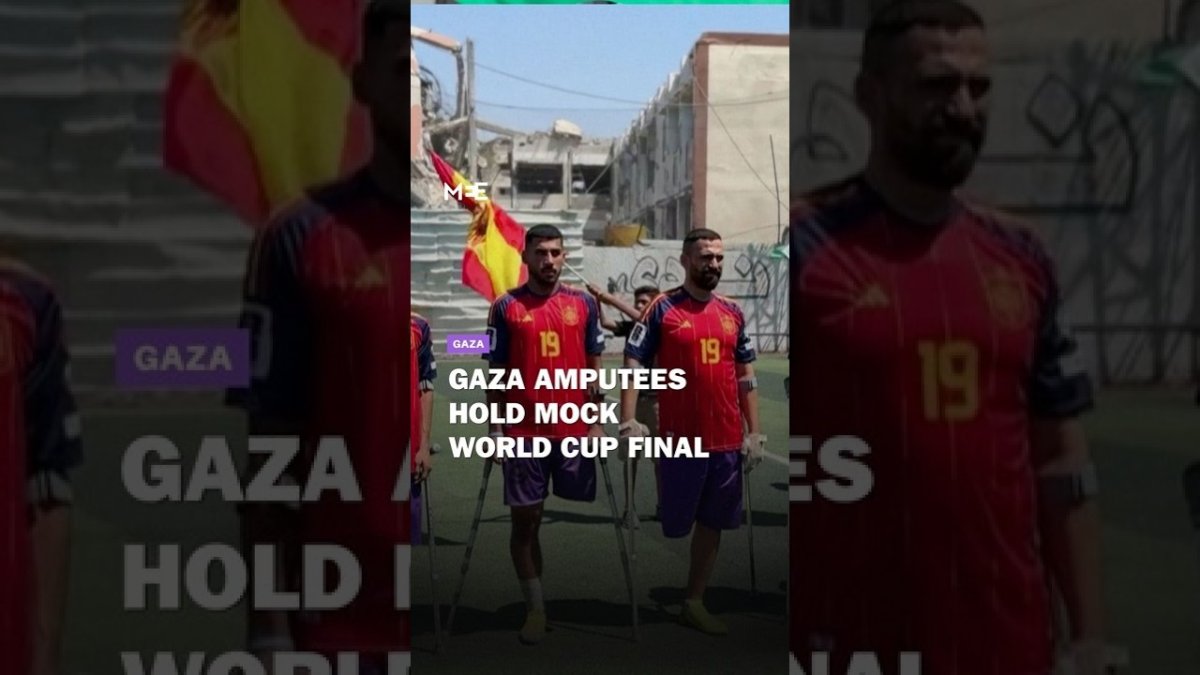
The Mock Match at Al-Yarmuk Stadium
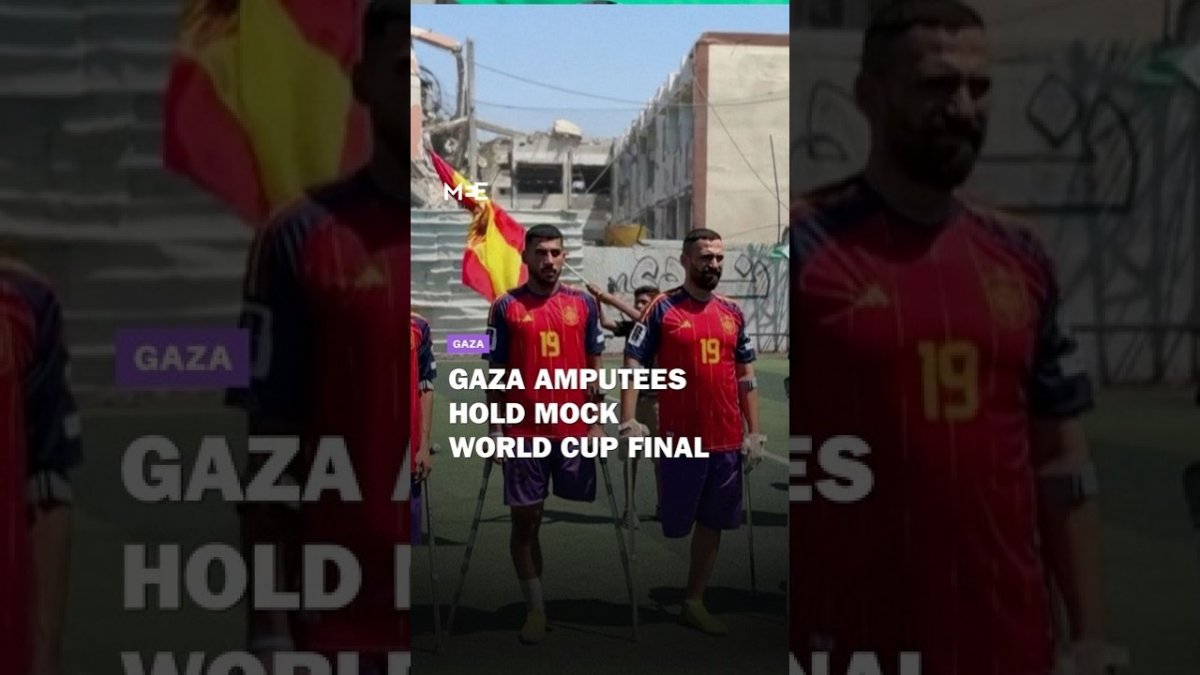
The recreation unfolded amid the ruins of Al-Yarmuk Stadium, a site repeatedly struck during Israeli military operations. Participants, many of whom lost limbs in the war that began in October 2023, moved across uneven ground while supporters gathered in the stands that remain partially standing. The match drew attention to the daily realities faced by those adapting to life after amputation in Gaza.
Organizers from local amputee football groups coordinated the event to mirror the upcoming final. Argentina and Spain jerseys distinguished the sides, reflecting the international contest set for the United States. Footage from the Middle East Eye report captured the determination of players navigating the damaged pitch without advanced prosthetics or medical support on site.
Such gatherings at Al-Yarmuk have become rare opportunities for community assembly. The stadium's condition reflects broader destruction across western Gaza City, where infrastructure for sports and recreation has been limited since the escalation of hostilities.
Scale of Limb Loss Reported by Gaza Health Authorities
Gaza's health ministry has documented over 73,000 Palestinians killed since October 2023. Alongside these figures, the ministry and supporting medical assessments indicate that an estimated 5,000 individuals have undergone amputations during the same period. These numbers position Gaza as home to the world's largest population of child amputees per capita.
Medical facilities in the territory have operated under severe constraints, with shortages of surgical supplies and rehabilitation equipment noted by staff. The concentration of child amputees stems from the high proportion of young people among those injured in residential areas and displacement camps.
International observers, including teams from the World Health Organization, have recorded the rapid rise in such cases. Without sufficient follow-up care, many amputees face long-term mobility challenges that affect education, employment, and family responsibilities in Gaza's densely populated urban centers.
Amputee Football Initiatives as Rehabilitation
Teams such as the Champions Team and emerging girls' football programs have formed in Gaza to provide structured physical activity for amputees. These groups use adapted rules and modified equipment to allow participation despite limited prosthetic access. Sessions focus on balance, coordination, and peer support in settings where formal therapy remains scarce.
Reports from Al Jazeera and Middle East Eye have covered how these initiatives serve both physical recovery and psychological adjustment. Players describe the pitch as a space where routine returns amid disrupted schooling and restricted movement across the territory. Girls' programs, in particular, address additional barriers faced by young women navigating cultural expectations alongside injury recovery.
Local coaches emphasize gradual reintegration through sport. The Al-Yarmuk event built on weekly training that has continued even as venues sustain damage. Participation rates have grown as word spreads through community networks in Gaza City and surrounding areas.
Human Impact on Daily Life and Families
Amputations alter household dynamics in Gaza, where extended families often share limited living space. Adults who previously worked in construction or trade now require assistance with mobility, shifting economic burdens onto relatives already managing food and water shortages. Children who have undergone procedures frequently miss extended periods of schooling while adapting to new physical realities.
Rehabilitation infrastructure remains underdeveloped, with the International Committee of the Red Cross documenting gaps in prosthetic fitting and ongoing physiotherapy. Families report traveling between clinics that operate at reduced capacity due to power outages and supply chain interruptions. These conditions compound the effects of prolonged displacement for many households.
Community events like the mock World Cup final provide temporary outlets for expression. Participants and spectators alike connect over shared experiences of injury and adaptation, reinforcing social ties strained by months of restricted access to open spaces.
International Organizations Highlight Infrastructure Shortfalls
The World Health Organization and the International Committee of the Red Cross have issued statements drawing attention to the volume of limb injuries and the absence of adequate rehabilitation centers across Gaza. Both organizations note that current facilities cannot meet demand for custom prosthetics or sustained physical therapy programs.
These assessments align with observations from field teams that have visited hospitals in Gaza City and Khan Younis. Recommendations include expanded training for local medical personnel and increased supply of mobility aids, though implementation depends on access corridors that have faced repeated interruptions.
Regional analysts connect these medical needs to longer-term patterns of restricted development in Palestinian health services. The current concentration of amputees adds pressure to systems already stretched by population growth and prior conflicts.
Context Within Broader Regional Developments
The mock match at Al-Yarmuk occurs against the backdrop of the 2026 FIFA World Cup final between Argentina and Spain. While global attention focuses on the tournament in the United States, the Gaza event underscores how international sporting moments intersect with local conditions shaped by occupation and displacement.
Palestinian sports bodies have historically used football to maintain cultural continuity despite movement restrictions and venue limitations. The emergence of amputee teams extends this tradition, adapting established community practices to new circumstances created by the war.
Observers in the region note that sustained attention to rehabilitation needs will require coordinated efforts beyond immediate humanitarian aid. Local initiatives continue to operate with available resources while advocating for improved conditions that would allow fuller participation in daily life.
By Fatima Al-Rashid, Staff Writer
This article was produced with AI-assisted research and editorial support. Reporting is based on sources cited in the article.
What's Your Reaction?
 Like
0
Like
0
 Dislike
0
Dislike
0
 Love
0
Love
0
 Funny
0
Funny
0
 Wow
0
Wow
0
 Sad
0
Sad
0
 Angry
0
Angry
0

Gulf/MENA Correspondent at Global1.News. Based in Doha, covering Gulf politics, energy markets, diplomacy, and development across the Middle East and North Africa. Tracks the economic transformation of the Gulf states.












Comments (0)