
Iran Strike on Jordan Base Kills Two US Service Members
Iranian ballistic missiles and drones struck the Muwaffaq Salti Air Base in eastern Jordan last Friday, killing two American service members and marking a dangerous widening of the Iran-US conflict. One service member remains missing while four others were medically evacuated and later discharged. A CBC News video report details the sequence of launches and the immediate aftermath at the base. Iran Strike on Jordan Base Kills Two US Service Members Ottawa, Ontario — The assault expanded the geog
Iranian ballistic missiles and drones struck the Muwaffaq Salti Air Base in eastern Jordan last Friday, killing two American service members and marking a dangerous widening of the Iran-US conflict. One service member remains missing while four others were medically evacuated and later discharged. A CBC News video report details the sequence of launches and the immediate aftermath at the base.
Iran Strike on Jordan Base Kills Two US Service Members
Ottawa, Ontario — The assault expanded the geographic scope of the confrontation that began late February after US-Israeli airstrikes killed Supreme Leader Ali Khamenei.
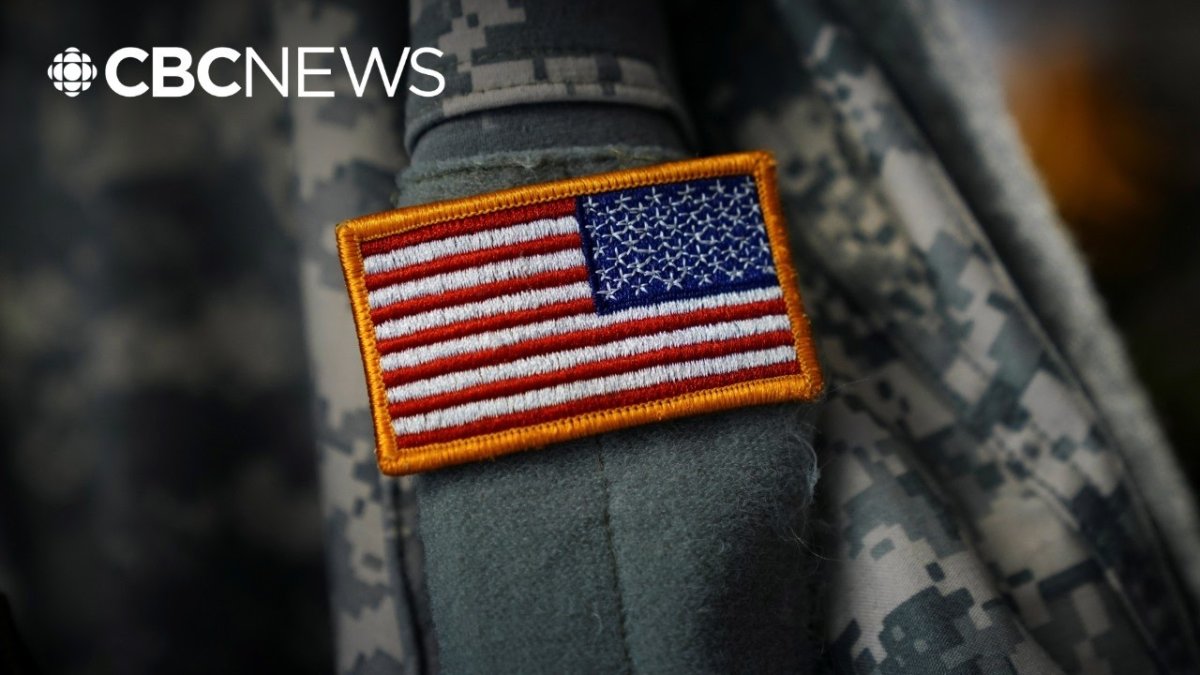
The Attack on Muwaffaq Salti Air Base
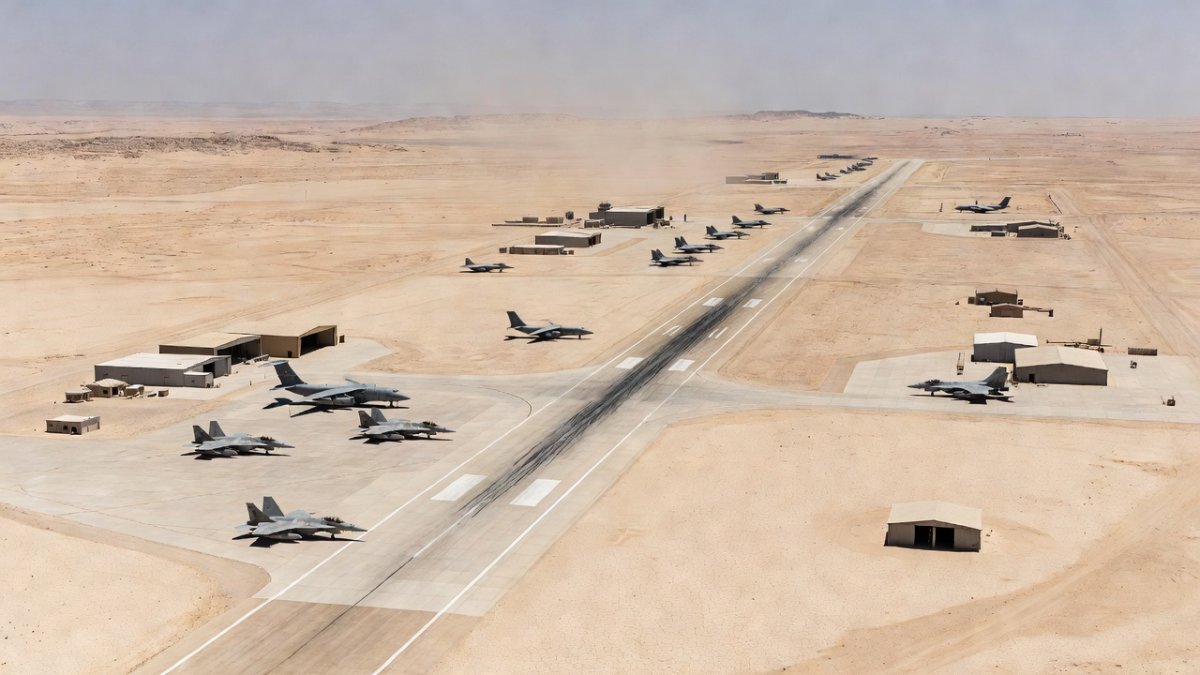
The assault on Muwaffaq Salti Air Base, also known as Azraq, relied on a coordinated barrage of Shahab-3 and Emad ballistic missiles alongside Shahed-136 one-way attack drones. Launched last Friday around 7pm local time, the strike package exploited the base’s role as a forward hub for F-15 fighter jets and MQ-9 Reaper drones supporting operations across Iraq and Syria. Long a cornerstone of the American campaign against ISIS, the facility’s continued use has made it a high-value target for Iranian planners seeking to disrupt Washington’s regional posture.
Although CENTCOM credited layered air-defence systems with intercepting the majority of incoming projectiles, several warheads penetrated the perimeter. The resulting fatalities bring the total number of American service members killed since the Iran conflict began to 16. As of the following day, next-of-kin notifications remained underway, underscoring the human cost of an attack that has now crossed a new geographic threshold by striking Jordanian soil. Two US service members died in the strikes, one remains missing and four others received medical evacuation before later discharge from care. US Central Command confirmed the casualties the following day. The strike formed part of Iran’s retaliation after seven consecutive nights of US strikes on Iranian territory.
US Retaliatory Strikes
American forces responded by striking IRGC naval facilities on Qeshm Island and additional targets at Shadegan, Sirik and Hajiabad in southern Iran. Iranian state media reported eight personnel killed and twenty wounded in these raids, which marked the eighth consecutive night of American operations. Earlier strikes had already degraded surveillance sites, military logistics nodes, underground weapons depots and power infrastructure; Tehran publicly acknowledged the latter category of damage for the first time last Friday. The United States responded with strikes on Qeshm Island and the cities of Shadegan, Sirik and Hajiabad in southern Iran. US Defense Secretary Pete Hegseth stated their sacrifice only stiffens our resolve following the Jordan base attack. These American strikes marked the eighth consecutive night of operations against Iran.
The Pentagon framed the latest round as an effort to degrade Iran’s capacity to threaten commercial shipping through the Strait of Hormuz. In parallel, the United States has imposed a naval blockade, tightening economic pressure while limiting Tehran’s ability to resupply forward-deployed units. These measures reflect a deliberate strategy of calibrated escalation designed to restore deterrence without triggering an all-out regional war.
Canadian Context and NATO Obligations
Ottawa has maintained a firm line against Iran’s ballistic-missile programme and formally designated the IRGC a terrorist entity in 2024. Through Operation IMPACT, Canadian Armed Forces personnel continue training and capacity-building missions in both Iraq and Jordan, placing a small number of service members within potential reach of further Iranian strikes. Multiple rounds of sanctions have already been levied on Iranian entities since fighting intensified, aligning Canadian policy with broader Western efforts to constrain Tehran’s military options. Canada stands as a NATO ally of the United States and maintains Canadian Forces personnel in the Middle East region. Canadian foreign policy on Iran has consistently opposed Iranian ballistic missile programmes and regional proxy activities. The Jordan attack directly affects Canadian interests because Ottawa coordinates defence planning with US Central Command under NATO Article 5 commitments. Parliament Hill officials have monitored the conflict since US-Israeli airstrikes killed Supreme Leader Ali Khamenei late February.
Although NATO has not invoked Article 5, Ottawa coordinates closely with US Central Command. The Liberal government under Prime Minister Mark Carney has urged de-escalation while affirming Washington’s right to self-defence. Global Affairs Canada has updated travel advisories for Iran, Iraq and the wider region, while Canadian energy firms monitor disruptions in the Strait of Hormuz; any prolonged blockade could lift global oil prices and transmit higher fuel costs directly to Canadian households. Any Canadian decision on additional support would require cabinet discussion and consultation with provincial governments on potential economic impacts from energy market disruptions.
Impact on the Region
The assault on Muwaffaq Salti Air Base in eastern Jordan expanded the geographic scope of the Iran-US war beyond Iranian territory. Jordan hosts the base that supports US operations across the Middle East and the strike placed a NATO partner country under direct attack. Regional energy routes and trade corridors face heightened risk following the widening of strikes to southern Iranian locations including Qeshm Island. The involvement of Muwaffaq Salti Air Base signals that Iranian planners intend to pressure US allies hosting American troops.
Global Economic Implications
The Jordan attack has raised the risk of wider conflagration to its highest level since the war began, prompting several UN Security Council members to request an emergency session. Brent crude prices, already elevated since late February, have grown more volatile as traders assess the possibility of sustained supply interruptions through the Strait of Hormuz, a chokepoint handling roughly one-fifth of global oil shipments. Canada’s energy sector could see short-term revenue gains from higher prices, yet faces offsetting risks of economic uncertainty and supply-chain strain. Canadian energy exporters and defence planners will track developments at the Bank of Canada and Global Affairs Canada for any effects on trade and security policy.
Analysis of Escalation
The conflict that began late February after US-Israeli airstrikes killed several Iranian officials including Supreme Leader Ali Khamenei has now reached its eighth consecutive night of US strikes. Iran’s decision to hit a US facility inside Jordan demonstrates a deliberate expansion beyond its own borders in response to seven prior nights of American attacks. Sixteen American deaths recorded since late February illustrate the sustained human cost of the confrontation for US forces. NATO allies remain divided, with some governments pressing for immediate de-escalation talks while others back continued American operations.
What Happens Next
US Central Command continues to coordinate with NATO allies including Canada on force protection measures at bases across the Middle East. Canadian diplomats will engage counterparts in the House of Commons and at NATO headquarters to assess collective defence obligations triggered by the Jordan attack. Further US strikes on Iranian targets remain likely as the conflict enters its ninth night according to statements from Pentagon officials. No ceasefire negotiations are currently underway, leaving the trajectory of the conflict dependent on whether diplomatic channels can be revived before further geographic or economic thresholds are crossed.
By Alex Thompson, Staff WriterThis article was produced with AI-assisted research and editorial support. Reporting is based on sources cited in the article.
What's Your Reaction?
 Like
0
Like
0
 Dislike
0
Dislike
0
 Love
0
Love
0
 Funny
0
Funny
0
 Wow
0
Wow
0
 Sad
0
Sad
0
 Angry
0
Angry
0
Canada Correspondent at Global1.News. Based in Toronto, covering Canadian politics, energy, trade, and US-Canada relations. Provides the Canadian perspective on North American and global affairs.











Comments (0)