
Coseteng Calls VP Sara Impeachment a Circus as Senate Votes on Bank Subpoena
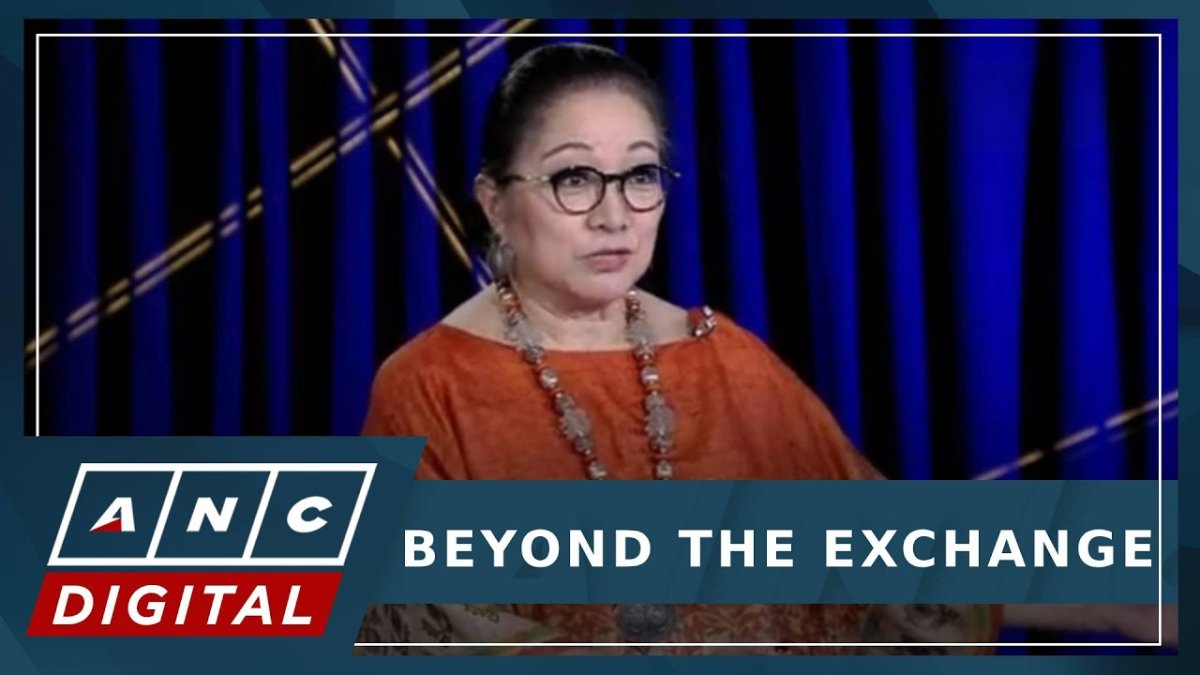
In the latest episode of ANC 24/7's Beyond the Exchange, former Senator Nikki Coseteng joined host Rico Hizon to discuss the ongoing impeachment trial of Vice President Sara Duterte, describing the proceedings as the circus came to town and labeling them a diversionary tactic that distracts from deeper issues of accountability in Philippine governance.
In the latest episode of ANC 24/7's Beyond the Exchange, former Senator Nikki Coseteng joined host Rico Hizon to discuss the ongoing impeachment trial of Vice President Sara Duterte, describing the proceedings as the circus came to town and labeling them a diversionary tactic that distracts from deeper issues of accountability in Philippine governance. Her sharp critique strikes at the heart of a national debate about whether the impeachment process serves justice or political convenience, a question that divides households from the bustling streets of Quezon City to the quieter barangays of Davao del Sur.
Senate Weighs Subpoena for VP Sara Duterte Bank Records as July 20 Vote Looms
Manila, Philippines — The impeachment trial of Vice President Sara Duterte enters a critical phase this week as the Senate prepares to vote on whether to compel the production of her bank records, tax returns, and Anti-Money Laundering Council documents. Former Senator Nikki Coseteng's sharp assessment of the proceedings on ANC 24/7's Beyond the Exchange has added a prominent voice to the debate over whether the trial represents genuine accountability or political theater.
Former Senator Nikki Coseteng Voices Concerns from Manila
Former Senator Nikki Coseteng sat down with ANC 24/7's Beyond the Exchange for the 85th episode hosted by Rico Hizon and questioned why Vice President Sara Duterte faces corruption accusations while others more guilty remain untouched. Her comments reached Filipino households from Quezon City to Davao City, where families discuss how selective prosecutions erode trust in institutions like the Senate and the House of Representatives.
Coseteng's characterization of the trial as the circus came to town resonates with community leaders in provinces such as Cebu and Iloilo who worry that political spectacles divert attention from everyday concerns like inflation and public services.
Day 6 Proceedings Center on Subpoena Requests in the Senate
On July 15, 2026, Day 6 of the impeachment trial unfolded with Senate President Francis Escudero presiding over oral arguments about subpoenas rather than witness testimonies. No witnesses appeared that day, shifting focus to whether the Senate should compel production of Vice President Sara Duterte's bank records, tax returns, and AMLC documents through a vote scheduled for July 20.
This procedural step matters to Filipino taxpayers in places like Makati and Pasig because it determines how financial transparency applies to high officials.
Prosecution Builds Case Using Precedent and Financial Data
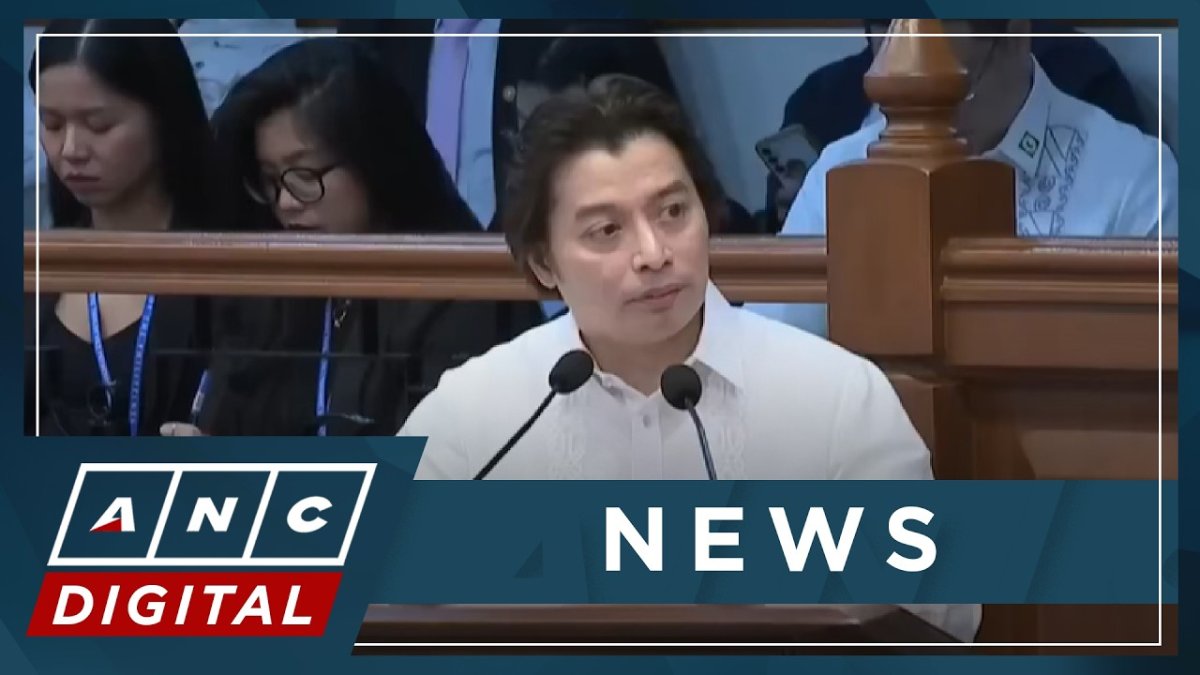
House prosecutor Rep. Chel Diokno argued for the subpoenas by citing the 2012 Corona impeachment precedent, noting that similar records helped establish patterns of unexplained wealth. Diokno highlighted an AMLC report showing Vice President Sara Duterte's financial transactions reached P208.15 million starting in 2007.
Defense counsel Michael Poa countered that the subpoena request amounts to a fishing expedition without sufficient basis.
A Tale of Two Impeachments: The Corona Precedent
The 2012 impeachment of Chief Justice Renato Corona set a clear benchmark for how the Senate handles financial records in high-stakes trials. Senators issued subpoenas to banks and the Anti-Money Laundering Council, compelling disclosure of Corona's dollar and peso accounts that revealed deposits far exceeding his declared salary. Those records formed the backbone of the conviction on Article II for failure to disclose assets, liabilities, and net worth. In the current case against Vice President Sara Duterte, prosecutors cite the same mechanism to justify access to her P208.15 million in tracked transactions since 2007. The parallel raises questions about consistency: if the Corona precedent allowed broad financial sweeps to prove unexplained wealth, the Senate must decide whether the same standard applies here or whether the volume of data requested crosses into unwarranted intrusion. Observers in the Senate gallery noted that the July 20 vote could either reinforce the Corona model or carve out new limits on what records reach the public record.
The Defense Strategy and Political Calculations
Defense counsel Michael Poa has framed the subpoena request as a classic fishing expedition, arguing that prosecutors lack a specific factual predicate linking the requested bank records to any proven misuse of confidential funds. Poa emphasized that the AMLC report already provides transaction totals without showing illegal origins, and further subpoenas would amount to a fishing expedition that burdens the Vice President without advancing the articles of impeachment. If the Senate votes yes on July 20, the defense faces immediate production deadlines that could expose detailed spending patterns from Davao City projects. A yes vote would also hand prosecutors fresh ammunition for cross-examination of NBI Director Melvin Matibag on July 21. For Vice President Sara Duterte, the political stakes extend to 2028. A successful defense that blocks the subpoenas could strengthen her narrative of political persecution and consolidate Mindanao support ahead of a presidential run. Conversely, an adverse ruling might force her campaign team to pivot resources toward damage control rather than early groundwork in key provinces.
Witness List Adjustments Streamline Focus on Key Articles
The prosecution trimmed its witness list from 18 down to just NBI Director Melvin Matibag for Article IV concerning grave threats, with House prosecutor Lorenz Defensor explaining that too many ingredients can spoil the dish. First witnesses named for Article I on confidential funds include Marivic Pareja, Violeta Constantino, and Nenita Camposano.
A court order now requires both sides to refrain from discussing witness withdrawal reasons publicly.
Senators Cayetano Highlight Potential Intimidation Concerns
Sen. Pia Cayetano accused NBI Director Melvin Matibag of intimidation tied to the revived 2019 SEA Games probe involving New Clark City Sports Complex anomalies. Sen. Alan Peter Cayetano added that the NBI probe aims to intimidate senator-judges ahead of key decisions.
Matibag is scheduled to testify on July 21 for Article IV, and a simple majority will decide the July 20 subpoena vote.
NBI, SEA Games, and the Politics of Intimidation
The clash between Sen. Pia Cayetano and NBI Director Melvin Matibag traces back to the 2019 Southeast Asian Games preparations at New Clark City, where cost overruns and procurement irregularities drew Senate scrutiny. Cayetano, whose family has long held influence in Taguig and surrounding districts, viewed the revived NBI investigation as retaliation for her public questions about the confidential funds case. Matibag's scheduled testimony on July 21 now carries dual weight: it addresses Article IV grave threats allegations while also reviving questions about whether the NBI is being used to pressure senator-judges. The Cayetano political dynasty, which includes multiple relatives in elective posts, sees the timing as deliberate leverage ahead of the July 20 subpoena vote. Local analysts in Metro Manila note that such revived probes often serve as signals within the political class, reminding lawmakers that past committee work can resurface during contentious trials.
Impact on Filipino Families and Broader Political Trust
The impeachment trial of Vice President Sara Duterte connects directly to how communities in provinces like Batangas and Negros Occidental view leadership accountability. When former Senator Nikki Coseteng calls the process a diversionary tactic, it prompts discussions in local cooperatives and parent-teacher associations about whether resources spent on high-profile cases could address pressing needs such as education and health services.
Human stories emerge from these proceedings, as residents weigh the trial's outcomes against their experiences with government transparency. Overseas Filipino workers in Riyadh and Rome follow the trial through group chats, concerned that prolonged political distraction could delay remittances processing or new labor agreements. In Davao City and surrounding Mindanao towns, families express strong support for the Vice President, viewing the case as targeted harassment of a regional leader. In contrast, households in Metro Manila, Baguio, and parts of the Visayas voice skepticism, questioning whether confidential fund oversight has been applied evenly across administrations. These regional divides surface in sari-sari store conversations and barangay meetings, where inflation at the palengke remains the more immediate worry than Senate subpoenas.
What This Means for Every Juan and Juana
Ordinary Filipinos feel the trial's ripple effects through delayed budget deliberations that affect classroom construction in Antique and medicine procurement in rural health units. When Senate time focuses on subpoenas and procedural votes, committee work on inflation mitigation and PhilHealth reforms slows. Families in Quezon province report longer waits for senior citizen pensions while lawmakers prepare for July 20 and July 21 sessions. Public trust erodes when citizens perceive selective enforcement, leading some to disengage from local governance meetings in Cebu and Iloilo. The outcome also shapes how future administrations handle confidential funds, directly influencing whether barangay-level projects receive timely releases or face additional layers of review. Small business owners in Binondo and vendors at Divisoria public market follow the hearings on their radios, aware that prolonged political uncertainty could dampen consumer confidence heading into the second half of the year.
Looking Forward to July Votes and Continued Coverage
With the Senate set to vote on July 20 regarding subpoenas for bank records, tax returns, and AMLC documents, the coming days will shape the trial's trajectory under Senate President Francis Escudero. NBI Director Melvin Matibag's upcoming testimony on July 21 for Article IV adds another layer to the examination of grave threats allegations.
Filipino audiences following ANC 24/7 coverage, including the Coseteng interview on Beyond the Exchange, gain clearer perspectives on how these legal steps influence national discourse. Legal experts predict that an approved subpoena would accelerate evidence gathering and potentially strengthen the prosecution's pattern-of-wealth argument, while a rejected request could narrow the trial's scope and embolden the defense to seek early dismissal of financial articles. Either result will set precedent for how future impeachment proceedings balance transparency against privacy claims, and every Filipino watching the proceedings understands that the verdict will ripple through the political landscape well beyond the Senate chamber doors.
By Bella Reyes, Staff WriterThis article was produced with AI-assisted research and editorial support. Reporting is based on sources cited in the article.
What's Your Reaction?
 Like
0
Like
0
 Dislike
0
Dislike
0
 Love
0
Love
0
 Funny
0
Funny
0
 Wow
0
Wow
0
 Sad
0
Sad
0
 Angry
0
Angry
0

Philippines/Southeast Asia Correspondent at Global1.News. Manila-based journalist covering Philippine politics, environment, maritime security, and social issues. Passionate about marine conservation and the communities protecting the Philippines' natural heritage.














Comments (0)