
Quezon: Sara Duterte Impeachment Most Legalistic in PH
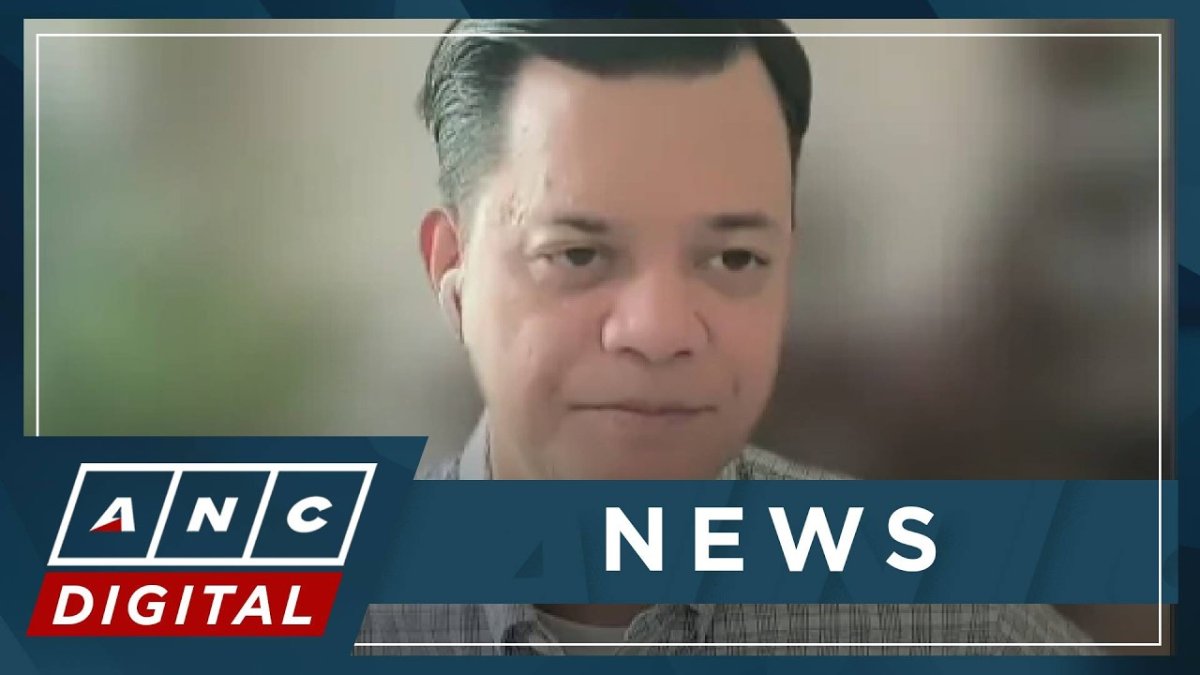
In a recent ANC 24/7 Headstart interview, historian Manuel L. Quezon III described the ongoing impeachment trial of Vice President Sara Duterte as the most legalistic proceeding in modern Philippine history when compared to the 2000-2001 trial of former President Joseph Estrada and the 2012 trial of former Chief Justice Renato Corona.
In a recent ANC 24/7 Headstart interview, historian Manuel L. Quezon III described the ongoing impeachment trial of Vice President Sara Duterte as the most legalistic proceeding in modern Philippine history when compared to the 2000-2001 trial of former President Joseph Estrada and the 2012 trial of former Chief Justice Renato Corona.
Quezon: VP Sara Impeachment Is Most Legalistic Trial in Philippine History
Manila, Philippines — The Senate impeachment court opened proceedings against Vice President Sara Duterte on July 6 amid intense scrutiny over the handling of confidential funds and the limits of legislative power. House prosecutors have focused on alleged misuse of P612.5 million, while the defense has mounted vigorous objections rooted in bank secrecy statutes. The trial has already produced sharp exchanges on evidence rules that could shape constitutional practice for years.
The Senate Impeachment Court Proceedings
The impeachment trial of Vice President Sara Duterte opened on July 6 before the Senate impeachment court in Manila with Senate President Juan Miguel Zubiri presiding. This marks the second impeachment action against Duterte after the House of Representatives voted to impeach her on May 11. She remains the first vice president in Philippine history to face such proceedings.
House prosecutors led by Chel Diokno and Atty. Lorna Kapunan have presented allegations involving the alleged misuse of P612.5 million in confidential funds. The Senate impeachment court has already approved subpoenas for four witnesses connected to these claims. NBI Director Melvin Matibag is scheduled to testify on July 20 regarding related matters.
Senate President Juan Miguel Zubiri serves as the presiding officer with the critical duty of maintaining order during sessions and ruling promptly on procedural objections raised by both sides. His gavel ensures that the 24 senator-judges stay focused on evidence rather than descending into partisan exchanges. Zubiri has emphasized fairness while guiding the court through complex legal questions that arise almost daily.
The full complement of 24 senators sits as judges in this historic proceeding, each bringing distinct regional perspectives from Luzon, Visayas, and Mindanao. Their collective decision will determine whether Vice President Duterte faces conviction and permanent disqualification. Daily schedules have followed a structured rhythm since the trial began on July 6, with sessions running through the third week and breaks only for essential Senate business.
House prosecutors have outlined a clear strategy centered on tracing the flow of confidential funds through witness testimony and documentary evidence. They plan to call budget officials and agency representatives to explain how allocations were spent. The four approved witnesses include key figures from the Department of Budget and Management and related offices who can shed light on approval processes for the P612.5 million.
Commission on Audit reports have flagged specific deficiencies in the confidential fund accounts, including missing liquidation documents for millions of pesos released to the Office of the Vice President and the Department of Education during Duterte’s concurrent tenure. These findings have supplied prosecutors with concrete benchmarks for questioning witnesses about unaccounted expenditures. Ordinary Filipinos in Central Luzon have voiced frustration that such lapses may have diverted resources from farm-to-market roads and irrigation projects already delayed by budget shortfalls.
Political tensions between President Ferdinand Marcos Jr. and Vice President Duterte have colored the atmosphere inside the chamber. Allies of the president have quietly supported the House move while Duterte loyalists from Mindanao accuse the administration of weaponizing institutions to sideline a rival ahead of 2028. Residents in Davao del Norte say the feud has forced local officials to hedge their bets, attending both pro-Duterte rallies and administration-led infrastructure launches in the same week.
Debate Over Bank Records and Subpoenas
The Senate impeachment court is currently debating whether to issue subpoenas for Vice President Sara Duterte's bank records, BIR tax returns, and Anti-Money Laundering Council documents. House prosecutors argue these records are essential to establish the flow of the P612.5 million in confidential funds. The defense team, led by Atty. Michael Poa, counters that existing bank secrecy laws shield the documents from disclosure.
Prosecutors have pointed to the 2012 Corona impeachment trial where the Senate authorized subpoenas for bank records as direct precedent. The Senate is scheduled to vote on July 20 on whether to grant the subpoenas. Former Senator Nikki Coseteng has publicly described the entire process as a circus and stated she was never in favor of holding an impeachment trial at this stage.
On Day 6 of the trial, July 15, Atty. Chel Diokno delivered detailed oral arguments stressing that Republic Act 1405 must yield to the impeachment court's constitutional powers when public funds are at stake. Atty. Michael Poa responded vigorously, insisting that bank secrecy protections remain absolute unless Congress enacts new legislation. The exchange highlighted deep divisions over how far the Senate can reach into private financial records.
Atty. Lorna Kapunan assured the court that the prosecution holds additional credible witnesses ready to testify once documents are secured. She emphasized that these individuals possess firsthand knowledge of fund transfers and can corroborate the misuse allegations. Former Senator Nikki Coseteng extended her critique beyond timing, warning that rushing the trial risks undermining public trust in institutions already strained by political divisions.
Legal scholars note that the impeachment court’s authority under the Constitution has historically overridden RA 1405 when the subject involves public money, as affirmed during the Corona proceedings. If the Senate grants the subpoenas, the defense is expected to seek immediate Supreme Court intervention through a petition for certiorari, potentially delaying the trial by months. In the Visayas, small business owners in Cebu worry that prolonged uncertainty could dampen tourism investments already cautious after years of pandemic recovery.
Should the high court eventually rule on the matter, its decision would clarify the balance between privacy rights and accountability for officials handling confidential appropriations. Barangay leaders in Baguio City have told local radio programs that they favor full disclosure so taxpayers can see exactly how intelligence funds were used rather than leaving the question to partisan debate.
Comparisons to Past Impeachment Trials
Historian Manuel L. Quezon III, who writes the Explainer column and runs quezon.ph, noted in the ANC 24/7 interview that the current case stands out for its heavy emphasis on procedural and evidentiary rules. In contrast, the Estrada trial from 2000-2001 and the Corona trial in 2012 featured more direct political confrontations inside the Senate chamber in Manila.
Quezon, a noted historian, author, and former presidential speechwriter, emphasized how the legalistic approach has slowed the presentation of evidence while increasing the focus on technical objections from the defense. This shift affects how witnesses and documents reach the Senate floor under Zubiri's gavel.
The Estrada trial of 2000-2001 unfolded amid the dramatic backdrop of EDSA 2, where massive street protests forced a sitting president from office after the Senate abruptly halted the opening of an envelope containing key evidence. That proceeding mixed legal arguments with raw political theater as crowds gathered outside the Senate building. In contrast, the 2012 Corona trial centered on bank records that ultimately led to his conviction on charges of failing to disclose assets.
Quezon observes that the Sara Duterte case lacks the street-level drama of EDSA 2 and instead unfolds through meticulous objections and rulings on evidence. This legalistic tone marks a departure from earlier trials where political passions often overshadowed procedure. As the first impeachment of a sitting vice president in Philippine history, the proceedings carry unique weight for future constitutional interpretations.
Observers in Mindanao point out that the absence of mass mobilizations reflects both tighter security measures and a public preference for letting institutions work through the evidence. Yet farmers in Bukidnon remain anxious that the drawn-out legal wrangling could push agricultural budget releases further into the next fiscal year.
Consequences for the 2028 Presidential Election
A guilty verdict would impose permanent disqualification from holding public office on Vice President Sara Duterte. This outcome would directly alter her current frontrunner position for the 2028 presidential election. Political observers in Quezon City and Davao City have already begun discussing how the trial could reshape alliances ahead of the next national vote.
The proceedings occur against the backdrop of Duterte's ongoing public feud with President Ferdinand Marcos Jr. The conflict has divided supporters across Cebu, Baguio, and other provinces where local officials must navigate competing national factions.
Recent pre-2028 surveys still place Vice President Duterte at the top of voter preferences in key regions, though her numbers have softened slightly amid the trial coverage. A conviction would dismantle her political coalition built on strong Mindanao support and force allies to seek new leadership. Potential beneficiaries include figures such as President Marcos and Senator Raffy Tulfo, who could consolidate support among voters seeking stability.
In Mindanao, the trial has already prompted local leaders in Davao del Norte and surrounding provinces to reassess alliances ahead of 2028. Some barangay captains who once backed the Duterte camp now explore partnerships with emerging candidates. The outcome could redraw the political map of the south for years to come.
Should the Supreme Court later review any conviction on appeal, the timeline for disqualification could extend well beyond the 2028 filing period, leaving Duterte’s candidacy in limbo. Voters in Metro Manila have told pollsters they are watching whether the legalistic process produces a clear verdict or merely prolongs uncertainty that benefits neither camp.
Effects on Filipino Families and Communities
The misuse allegations involving P612.5 million in confidential funds touch the daily lives of families who rely on government services funded through the national budget. In barangays across Metro Manila and rural areas, residents have expressed concern that prolonged political battles could delay infrastructure projects and social programs managed by agencies such as the Department of Budget and Management.
OFWs sending remittances to support households in provinces like Davao del Sur watch the trial closely because political instability can influence exchange rates and investor confidence. Jeepney drivers and sari-sari store owners in Quezon City note that extended Senate sessions often coincide with traffic disruptions and reduced foot traffic in commercial districts.
Students preparing for the upcoming school year under DepEd guidelines worry that budget reallocations tied to the confidential funds case could affect classroom resources. Farmers in Central Luzon fear that any distraction in Congress might slow the release of agricultural subsidies already approved in the current fiscal year.
The Senate vote scheduled for July 20 on the subpoenas will determine how much financial detail enters the public record. A decision to block access could reinforce perceptions that accountability mechanisms remain limited for high officials, while approval could set new standards for future cases involving public funds.
Communities in Davao City, where the Duterte family maintains strong local support, have organized discussions in barangay halls to analyze how the outcome might influence regional development priorities. Meanwhile, civil society groups in Manila continue to monitor the trial for signs that the legalistic approach will either strengthen or weaken institutional trust ahead of the 2028 elections.
In Davao City itself, the trial has begun to affect local governance as city officials balance loyalty to the vice president with the need to secure national funding for ongoing projects. The Commission on Audit continues its independent review of confidential fund expenditures, providing another layer of scrutiny that barangay leaders hope will clarify how resources reach community programs. Residents across the Philippines see the case as a test of whether accountability can truly reach the highest levels of government.
What to Watch For
The July 20 Senate vote on whether to subpoena bank records and related documents stands as the next major turning point in the trial. If approved, the prosecution gains powerful tools to trace fund movements, while a denial could limit the scope of evidence presented. NBI Director Melvin Matibag's scheduled testimony on the same day promises to add new details about ongoing investigations tied to the confidential funds case.
Should the subpoenas pass, the trial timeline is expected to stretch several more weeks as documents are gathered and additional witnesses are called. Observers anticipate further legal challenges from the defense that could test Senate President Zubiri's rulings and shape how future impeachment proceedings handle sensitive financial records. The coming days will reveal whether the legalistic approach leads to a swift resolution or prolonged procedural battles.
Any eventual conviction would almost certainly reach the Supreme Court, where justices would weigh the Senate’s interpretation of its own rules against statutory privacy protections. In the meantime, families from Ilocos to Zamboanga continue to follow the proceedings, hoping the outcome restores faith that public money serves communities rather than political survival.
By Bella Reyes, Staff WriterThis article was produced with AI-assisted research and editorial support. Reporting is based on sources cited in the article.
What's Your Reaction?
 Like
0
Like
0
 Dislike
0
Dislike
0
 Love
0
Love
0
 Funny
0
Funny
0
 Wow
0
Wow
0
 Sad
0
Sad
0
 Angry
0
Angry
0

Philippines/Southeast Asia Correspondent at Global1.News. Manila-based journalist covering Philippine politics, environment, maritime security, and social issues. Passionate about marine conservation and the communities protecting the Philippines' natural heritage.














Comments (0)