
BC Wildfire Emergency: Lightning Sparks 100+ Blazes
Lightning strikes have sparked a dramatic escalation in British Columbia's wildfire situation, with over 100 new blazes igniting across the province in just days. Evacuation orders are now in effect for communities in the Fraser Canyon and southern Interior, as officials scramble to respond to the rapid spread. This sudden surge marks a sharp turn from a previously quiet season.
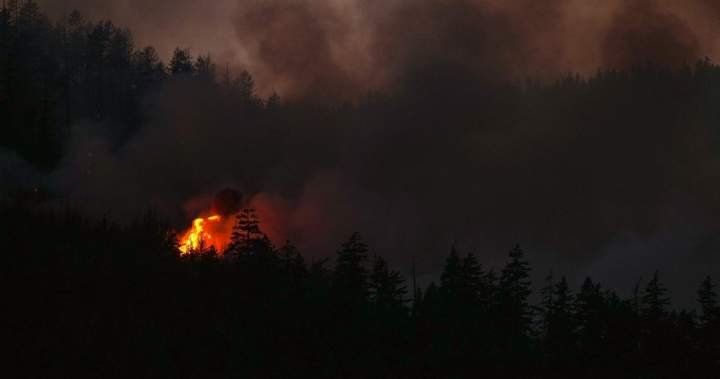
Lightning strikes have sparked a dramatic escalation in British Columbia's wildfire situation, with over 100 new blazes igniting across the province in just days. Evacuation orders are now in effect for communities in the Fraser Canyon and southern Interior, as officials scramble to respond to the rapid spread. This sudden surge marks a sharp turn from a previously quiet season.
BC Wildfire Emergency Escalates as Lightning Ignites Over 100 Blazes
Vancouver, British Columbia — Article continues below...
Lightning Strikes Transform BC Wildfire Season
The wildfire situation in British Columbia shifted quickly after thousands of lightning strikes hit the province. What began as a relatively quiet season with around 20 active blazes on Wednesday morning grew to approximately 115 fires by Saturday morning, according to the BC Wildfire Service. The vast majority of these new fires trace directly to the 4,000 lightning strikes recorded across the province.
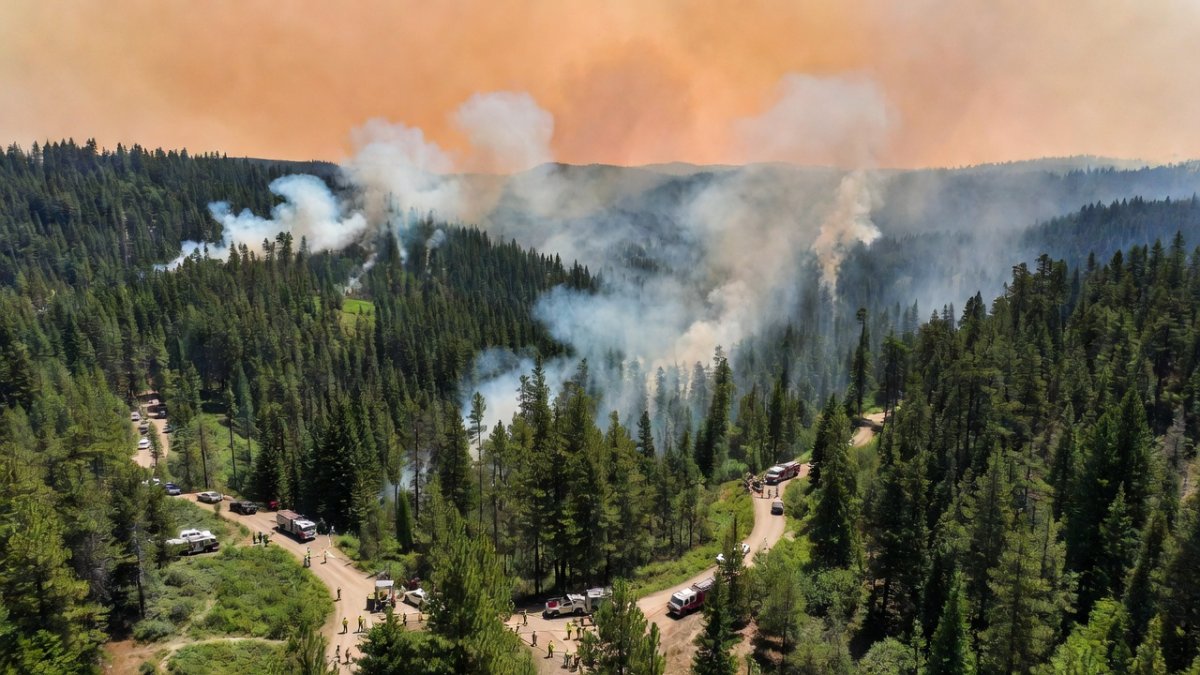
Most of the activity remains concentrated in the southern B.C. Interior, where dry conditions have allowed fires to establish and spread. Two-thirds of the fires are currently burning out of control, and the BC Wildfire Service continues to monitor the situation closely as additional ignition points are assessed.
The 2026 wildfire season in British Columbia has already shown signs of unusual intensity, with lightning strikes igniting dozens of new fires across the interior and northern regions. Compared to the 2021 heat dome that triggered widespread blazes, the 2023 record season that burned more than 2.8 million hectares, and the relatively contained 2025 fires, this year’s early activity points to a pattern of accelerated starts. Provincial officials have noted that the convergence of lightning activity and drought-like conditions creates a particularly volatile environment for fire development. The BC Wildfire Service has mobilised additional crews and air tanker support, drawing on resources from Ontario and Alberta through interprovincial assistance agreements. These cooperative arrangements allow provinces to share firefighting capacity during peak periods, ensuring that no single jurisdiction faces a resource shortage while blazes multiply across the landscape. The current deployment includes specialised unit crews trained in remote-area suppression techniques, along with incident management teams to coordinate multi-fire responses in the southern Interior.
Evacuation Orders Issued in Fraser Canyon and Beyond
The community of Boston Bar, home to roughly 160 residents in the Fraser Canyon, received an evacuation order on Thursday due to the Brunswick Creek fire, which covers 40 square kilometres, and the Ainslie Creek fire, which spans 160 square kilometres. These orders form part of a broader increase in evacuation alerts and orders triggered by the surge in fire activity.
Further south, the Thompson-Nicola Regional District issued an evacuation order on Friday for 131 properties near Big Bar Lake and Meadow Lake because of the Fiftynine Creek fire. An evacuation alert was also placed for the nearby Bonaparte Plateau. Overnight on Friday, the Cariboo Regional District triggered an additional evacuation related to the Bowers Lake fire.
Evacuation reception centres have been established in communities away from the fire zones, with the Canadian Red Cross providing support services for displaced residents. Emergency Management BC has coordinated with regional districts to ensure that transportation, shelter, and basic supplies reach affected populations. The Trans-Canada Highway through the Fraser Canyon remains open but travellers are advised to monitor conditions as fire activity may necessitate closures. The situation recalls the 2021 Lytton fire, which destroyed much of that community and forced a complete evacuation of the Fraser Canyon area, though officials stress that current conditions differ significantly from that catastrophic event. RCMP officers have been deployed to assist with evacuation compliance and to provide security for properties under evacuation orders, a standard protocol during major wildfire events in the province.
Local Resident Attila Banhegyi Remains in Boston Bar
Attila Banhegyi decided to stay in his Boston Bar home despite the evacuation order. He cited convenience and necessity, explaining that he must care for his two businesses and animals, including 12 chickens. Local services such as the restaurant, gas station, and motel housing firefighting crews remain open.
Banhegyi estimates that 40 to 50 per cent of Boston Bar residents have also chosen to remain. He noted that those who stayed are in good spirits and value self-sufficiency and local self-governance. His wife and two children left the day before the order was issued, though he stated that she trusts he will remain safe and leave if conditions require it.
Fiftynine Creek Fire Grows Rapidly Near Big Bar Lake
The Fiftynine Creek fire was first detected on Friday and expanded to approximately 40 square kilometres by that evening. Jim Smith, who represents the area at the Thompson-Nicola Regional District, described how strong winds caused the fire to advance quickly toward Big Bar Lake.
Smith indicated that structural losses are expected, though the extent remains unclear at this time. Most of the evacuated properties sit on the northern side of the lake, with several ranches and farms nearby. Livestock movement began promptly once the alert was issued.
Weather System Brings Ideal Conditions for Fire Spread
Earlier in the week, fire officials warned about an approaching weather system that would deliver lightning along with conditions favourable for both igniting and expanding fires on British Columbia’s dry landscape. The rapid development of multiple new blazes aligns with those forecasts.
The BC Wildfire Service has noted that the majority of recent fires, orders, and alerts are located in the southern Interior. Fire crews continue to respond while residents in affected areas monitor updates from regional districts.
Environment and Climate Change Canada data indicates that temperatures in the southern Interior have consistently exceeded seasonal norms, with relative humidity dropping to levels that accelerate fuel drying. The fire weather index has reached extreme values across several regions, and drought code measurements reflect long-term moisture deficits in forest fuels. Forecasts for the coming week suggest continued warm and dry conditions, with limited relief expected until a potential weather pattern shift later in the month. Air quality across the southern Interior and into Alberta has deteriorated significantly, with smoke plumes drifting hundreds of kilometres from active fire zones. Health authorities have issued air quality statements advising residents, particularly those with respiratory conditions, to limit outdoor activity and use air filtration where available.
Implications for B.C. Communities and Emergency Response
Small communities across British Columbia often balance evacuation directives with practical needs such as caring for livestock and maintaining essential local services. The current situation in Boston Bar illustrates how residents weigh personal circumstances against official guidance during rapidly evolving wildfire events.
Provincial agencies and regional districts coordinate responses while acknowledging that local knowledge can influence decisions on the ground. As the season progresses, continued lightning activity and dry fuels remain key factors in fire behaviour across the province.
The economic impact of this fire season will be felt across multiple sectors, particularly in small communities that depend on summer tourism and forestry activity. Local businesses in affected areas face reduced visitor numbers, while forestry operations may experience interruptions as access restrictions remain in place. Insurance considerations present a complicating factor for residents who choose to remain behind despite evacuation orders, as some policies may limit coverage when property owners disregard official directives. The Insurance Bureau of Canada has previously advised policyholders to familiarise themselves with the terms of their coverage, particularly regarding wildfire-related provisions. Emergency Management BC continues to work alongside regional authorities to coordinate response logistics, including the placement of firefighting resources and the management of evacuation centres. Lessons from previous fire seasons have reinforced the value of FireSmart programs and community resilience initiatives, with many neighbourhoods now better prepared through vegetation management and emergency planning. These proactive measures have reduced structure losses in several recent incidents, demonstrating that sustained investment in prevention yields measurable returns.
Tags: BC wildfires, Boston Bar, Fiftynine Creek fire, evacuation orders, lightning strikes, Thompson-Nicola Regional District, Cariboo Regional District
By Alex Thompson, Staff Writer
This article was produced with AI-assisted research and editorial support. Reporting is based on sources cited in the article.
What's Your Reaction?
 Like
0
Like
0
 Dislike
0
Dislike
0
 Love
0
Love
0
 Funny
0
Funny
0
 Wow
0
Wow
0
 Sad
0
Sad
0
 Angry
0
Angry
0

Canada Correspondent at Global1.News. Based in Toronto, covering Canadian politics, energy, trade, and US-Canada relations. Provides the Canadian perspective on North American and global affairs.













Comments (0)