
NBI Evidence Bolsters Sara Duterte Impeachment Trial
The ongoing Senate impeachment trial of Vice President Sara Duterte has taken a dramatic turn with fresh digital evidence that could reshape the political landscape ahead of the 2028 elections. As tensions between the Marcos and Duterte dynasties intensify, the proceedings highlight deep divisions affecting governance and public trust across the Philippines. This case carries profound implications for accountability and the future of elite political rivalries. NBI Evidence...
The ongoing Senate impeachment trial of Vice President Sara Duterte has taken a dramatic turn with fresh digital evidence that could reshape the political landscape ahead of the 2028 elections. As tensions between the Marcos and Duterte dynasties intensify, the proceedings highlight deep divisions affecting governance and public trust across the Philippines. This case carries profound implications for accountability and the future of elite political rivalries.
NBI Evidence Bolsters Sara Duterte Impeachment Trial
Manila, Philippines — Article continues with key testimony strengthening the prosecution's position in the Senate.
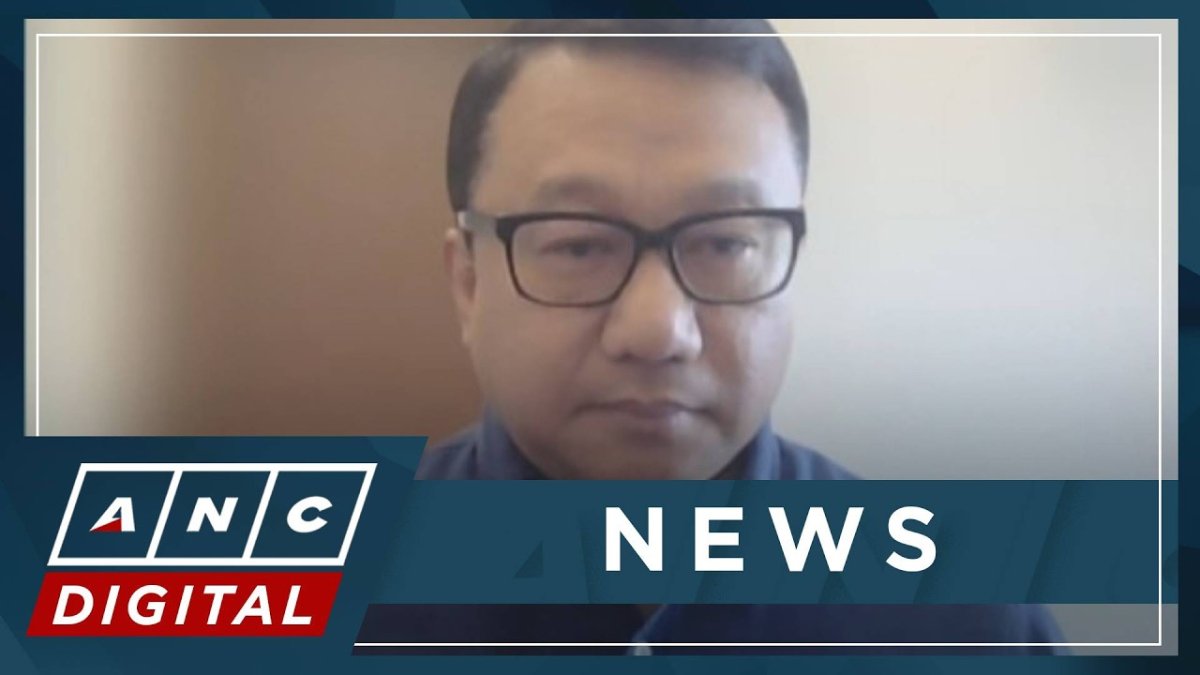
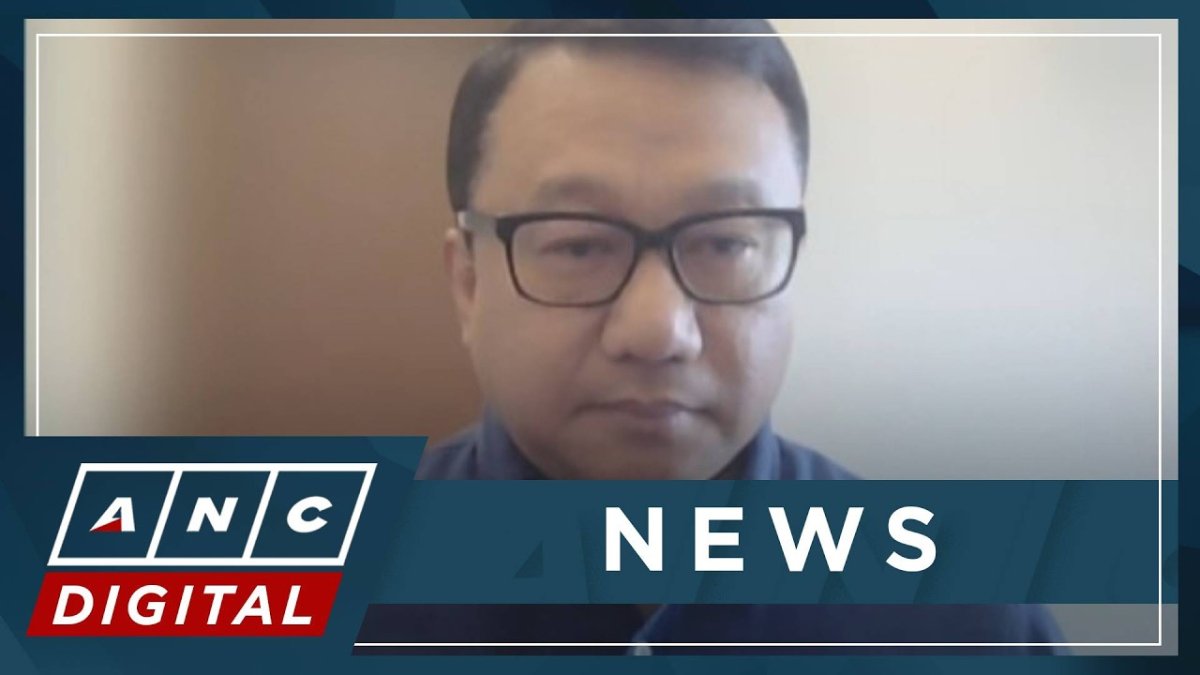
As highlighted in the ANC 24/7 video recap of week two proceedings, House prosecutor Rep. Joel Chua detailed how NBI witness Jeremy Lotoc's testimony has reinforced the prosecution's case against Vice President Sara Duterte in the ongoing Senate impeachment trial.
NBI Testimony Solidifies Prosecution Evidence
Jeremy Lotoc, serving as NBI-BARMM regional director and former chief of the NBI Cybercrime Division, testified that Vice President Duterte possessed clear intent, motive, and capability to execute threats against President Marcos Jr., First Lady Liza Araneta-Marcos, and former House Speaker Martin Romualdez. The National Bureau of Investigation concluded that Duterte committed grave threats and inciting to sedition based on digital evidence reviewed by Lotoc's team. This testimony directly addresses the fourth article of impeachment now before the Senate court.
Rep. Joel Chua told ANC 24/7, “Kung may intent, motive, at capability, tapos may digital trail pa, paano mo sasabihin na walang kaso? Si Lotoc mismo ang nagsabi na lahat ng tatlong elements andiyan.” He added in the same interview, “Hindi ito tsismis o hearsay; ito ay forensic analysis mula sa mismong Cybercrime Division.” Lotoc explained that intent was shown through repeated online statements, motive stemmed from public political rifts, and capability came from access to networks previously linked to enforcement operations.
Under Senate impeachment rules, conviction requires a two-thirds vote of all senators present, or 16 out of 24 members. This threshold ensures that removal from office reflects broad consensus rather than simple majority. Prosecutors noted that Lotoc’s evidence package, already marked as exhibits, meets this standard for the current article.
Focus on Grave Threats
Philippine law under the Revised Penal Code defines grave threats as any statement or act that places a person in fear of serious harm, punishable even without actual follow-through. Prosecutors argue that Vice President Duterte’s public remarks crossed this line when they referenced harm to the First Family and House leadership. Legal experts point out that social media posts and speeches can qualify if they create reasonable apprehension of violence.
Rep. Chua stated during the ANC 24/7 segment, “Yung issue ng ‘assassin’ ay irrelevant kasi ang batas ay tungkol sa threat mismo, hindi kung meron talagang killer na nakaabang.” He stressed that the focus remains on the effect of the words on the intended targets and the public. The NBI Cybercrime Division, working with BARMM intelligence units, examined thousands of posts, timestamps, and device metadata to establish patterns of communication.
Investigators cross-referenced geolocation data and account linkages to confirm authenticity of the digital materials. This methodology allowed the team to trace how messages spread across platforms and reached audiences in both Manila and Mindanao. The resulting report formed the backbone of Lotoc’s Senate testimony.
Impeachment Standards Differ From Criminal Trials
Chua clarified that the impeachment process operates under a distinct standard of proof compared with criminal cases, focusing on the sufficiency of evidence for removal from office rather than beyond-reasonable-doubt conviction. The Senate impeachment court has now completed six trial days while examining the fourth article. This distinction allows the proceedings to center on public accountability without requiring the same evidentiary threshold used in regular courts.
Senate Maintains Impartiality After Six Days
Senate President Sherwin Gatchalian stated that the impeachment court has remained impartial throughout the first two weeks of hearings. Gatchalian's remarks came after the prosecution presented Lotoc's analysis of digital communications and threat assessments. Lawmakers from both sides continue to review records in the Senate session hall, ensuring procedural balance amid the Marcos-Duterte political split.
Implications for 2028 Elections
The deepening Marcos-Duterte dynasty split has already begun reshaping the 2028 presidential landscape. Allies once united under a single ticket now weigh separate paths, with potential candidates such as Senator Imee Marcos, Senator Bong Go, and Manila Mayor Honey Lacuna testing early support in key provinces. Political observers note that the impeachment outcome could either consolidate or fracture these emerging coalitions well before formal campaign season.
Voters in Cebu, Davao, and Cagayan de Oro are watching how Senate votes translate into campaign narratives. A conviction might push Duterte-aligned forces toward a stronger opposition bloc, while acquittal could embolden challenges to the current administration’s legislative agenda. Local leaders report that barangay captains are already adjusting alliances in anticipation of shifting national resources.
Analysts emphasize that prolonged elite conflict affects infrastructure funding and community programs. Families in provinces dependent on national allocations worry that political uncertainty may delay projects already promised during previous election cycles. This dynamic adds another layer of calculation for voters deciding which dynasty offers more stability heading into 2028.
Financial Records and Transparency
The prosecution summoned former BIR Commissioner Kim Henares to discuss opening Vice President Duterte's bank and tax records as part of the evidence-gathering process. Henares is expected to explain the legal mechanisms for accessing these documents during the next scheduled session. Such financial scrutiny aims to trace any patterns connected to the alleged threats and related activities.
Henares previously testified during the 2012 Corona impeachment, where the Senate opened the former chief justice’s tax and bank records to examine unexplained wealth. Prosecutors cite that precedent to argue that similar access is both lawful and necessary here. They maintain that financial trails can reveal whether resources were used to support the communications under review.
Defense lawyers have signaled they will contest the scope of any subpoena, insisting that privacy protections remain in place absent a criminal conviction. The Senate is expected to rule on the matter before Henares takes the stand, setting another procedural marker for the trial.
Human Impact on Filipino Families
Filipino households experience the trial through disrupted public services and heightened political tension in barangays where loyalty to either dynasty influences access to assistance programs. Workers in government offices report uncertainty over job stability tied to shifting political alignments. The case underscores how elite rivalries translate into everyday economic pressures for families dependent on stable governance.
OFW families in provinces like Pangasinan and Negros Occidental say monthly remittances now come with added worry about long-term political stability. Many report that relatives abroad are asking more frequently whether local projects tied to national budgets will continue. Sari-sari store owners in Manila’s Tondo district describe evening conversations shifting from neighborhood gossip to questions about which political side will protect small-business loans.
In Davao barangays, residents note that community meetings once focused on local festivals now include cautious discussions about which candidates can deliver consistent aid. Parents say their children overhear these talks and ask why “the leaders are fighting again.” These quiet exchanges reveal how national political drama filters down to kitchen tables and street corners across the country.
What Comes Next
Next week the prosecution plans to call additional digital forensics experts and local government witnesses who interacted with the Vice President’s office. The Senate has set aside three more session days before a scheduled recess, with closing arguments expected by the end of the month. Observers anticipate that the timeline could stretch into early next quarter if the defense presents multiple rebuttal witnesses.
Conviction scenarios range from full removal, which would elevate Senate President Gatchalian to acting vice president, to a narrow acquittal that leaves the political rift unresolved. Either outcome will shape how both dynasties approach the remaining months before the 2025 midterm elections and the longer road to 2028.
Vice President Maintains No Evidence Exists
Vice President Sara Duterte has consistently stated that the impeachment case lacks supporting evidence, a position her legal team reiterated in court filings this week. The defense has challenged the relevance of the NBI findings while the Senate continues to hear prosecution witnesses. This stance reflects the deep division between the Marcos and Duterte political dynasties that has reshaped alliances across Congress and local government units.
Normalization of Violence Under Prior Administration
Rep. Joel Chua emphasized during the ANC 24/7 discussion how killings became normalized under the Duterte administration, linking this pattern to the gravity of the current threats. Concrete records from NBI investigations show repeated public statements by the Vice President that prosecutors argue crossed into criminal incitement. Filipino families in urban centers like Manila and Davao continue to report lingering fear from that era's enforcement tactics, which shaped daily community interactions and local governance.
Historical Context of Philippine Impeachments
The current proceedings echo past high-profile cases, including the 2001 impeachment of President Joseph Estrada and the 2012 trial of Chief Justice Renato Corona. Both involved intense public scrutiny and set precedents for how the Senate evaluates evidence of misconduct by top officials. Legal experts note that these earlier trials established the two-thirds conviction threshold as a safeguard against partisan removals.
Filipino communities have responded with mixed reactions, from rallies in Manila supporting accountability to gatherings in Davao defending the Vice President. Many families express fatigue over recurring dynasty conflicts that overshadow pressing issues like inflation and disaster preparedness. Legal analysts emphasize that while the NBI evidence appears robust, the Senate's political dynamics will ultimately determine the outcome.
Broader implications include potential shifts in how future impeachments handle digital evidence and financial disclosures. Observers warn that prolonged uncertainty could erode public confidence in institutions if perceived as dynastic score-settling rather than genuine oversight.
By Bella Reyes, Staff WriterThis article was produced with AI-assisted research and editorial support. Reporting is based on sources cited in the article.
What's Your Reaction?
 Like
0
Like
0
 Dislike
0
Dislike
0
 Love
0
Love
0
 Funny
0
Funny
0
 Wow
0
Wow
0
 Sad
0
Sad
0
 Angry
0
Angry
0

Philippines/Southeast Asia Correspondent at Global1.News. Manila-based journalist covering Philippine politics, environment, maritime security, and social issues. Passionate about marine conservation and the communities protecting the Philippines' natural heritage.













Comments (0)