
Sheinbaum Accepts Trump Invitation to 2026 World Cup Final
Sheinbaum Accepts Personal Invitation to MetLife Stadium President Claudia Sheinbaum confirmed she will travel to New Jersey for the 2026 World Cup final between Spain and Argentina at MetLife Stadium. The decision follows a direct invitation from President Donald Trump, marking their first in-person meeting since the World Cup draw in December 2025. Canadian Prime Minister Mark Carney is also expected to attend, adding a trilateral dimension to the gathering.
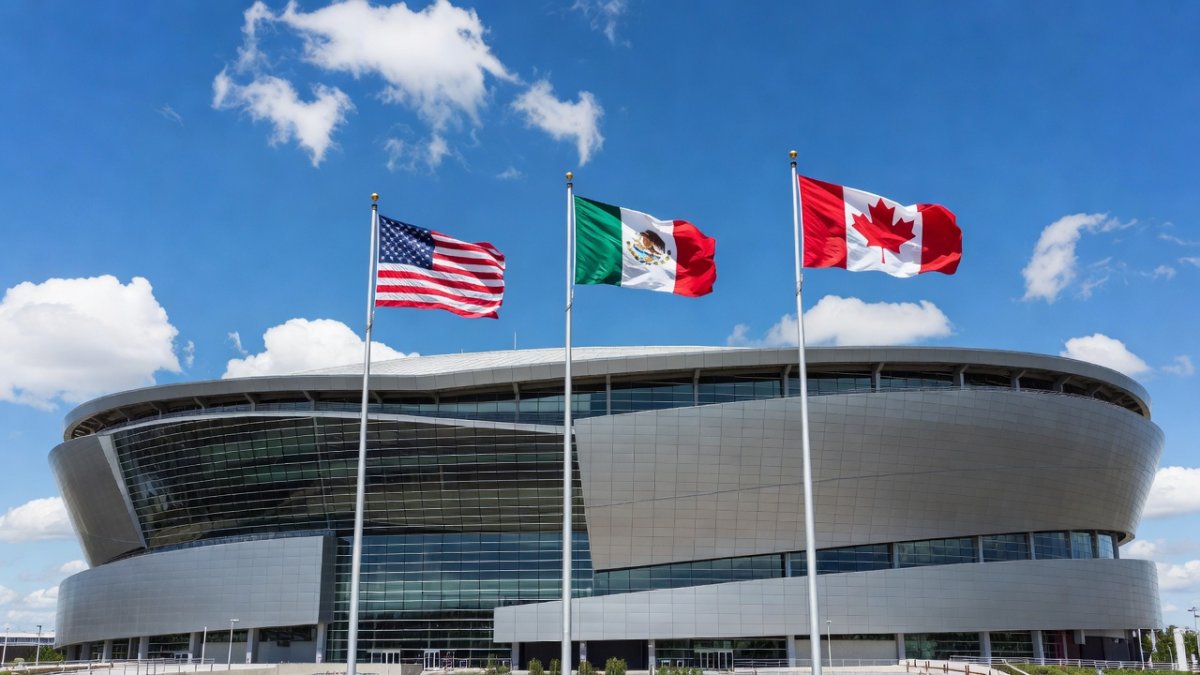
Sheinbaum Accepts Personal Invitation to MetLife Stadium
President Claudia Sheinbaum confirmed she will travel to New Jersey for the 2026 World Cup final between Spain and Argentina at MetLife Stadium. The decision follows a direct invitation from President Donald Trump, marking their first in-person meeting since the World Cup draw in December 2025. Canadian Prime Minister Mark Carney is also expected to attend, adding a trilateral dimension to the gathering.
In many Mexican households, news of Sheinbaum's trip sparks lively kitchen-table debates that blend pride with quiet concern. Grandmothers recall how past leaders navigated tense moments with Washington, while younger relatives see this as a chance for Mexico to stand tall on the world stage. The personal invitation carries weight in a country where family ties and personal gestures often shape public trust more than formal announcements.
Sheinbaum's choice echoes the steady diplomacy her mentor, Andrés Manuel López Obrador, practiced during his term, when direct talks helped ease migration pressures and protect Mexican workers. Families in border towns remember those years as a time when remittances stayed steady despite political storms. Today, the same communities watch closely, hoping this meeting builds on that foundation rather than repeating old cycles of friction.
Ordinary Mexicans view the stadium meeting as more than a photo opportunity. It represents a moment when their president can speak for the millions whose daily lives depend on stable cross-border ties, from farmworkers in Sinaloa to engineers in Guadalajara. The warmth of the invitation itself reminds many of the human side of diplomacy that often gets lost in headlines.
Trump to Present the Trophy as Soccer Fever Sweeps North America
President Trump will hand over the World Cup trophy after the final. His earlier remark that "it turned out we were a soccer country" captured the growing enthusiasm across the United States, Canada, and Mexico. For families in Mexican colonias from Guadalajara to Ciudad Juárez, the tournament has already become a shared living-room ritual, with grandparents explaining tactics to grandchildren during weekend asados.
Across Mexico, the tournament has revived old stories of the 1986 World Cup hosted here, when entire neighborhoods gathered around single television sets. Parents now tell their children how that event brought a sense of unity during difficult economic times. The current excitement feels familiar, yet it arrives alongside new uncertainties about trade rules that could affect the very jobs funding those family celebrations.
In places like Monterrey and Puebla, factory workers who follow the national team on weekends know their overtime pay often depends on USMCA stability. When the three leaders appear together at the final, many see a reminder that soccer joy and economic security are connected in ways that reach straight into their paychecks and children's school supplies.
The shared continental celebration also highlights how Mexican culture has influenced soccer fandom north of the border. Tacos and cumbia music now fill stadium parking lots in New Jersey just as they do in Mexico City plazas. This cultural exchange offers a hopeful backdrop for the more serious conversations that will follow the final whistle.
From Opening Match Gesture to Final Appearance
Sheinbaum skipped the opening match in Mexico City, where the national team defeated South Africa 2-0, and instead gave her ticket to a young Indigenous woman. High ticket prices had sparked debate in many communities, and the gesture resonated with ordinary households balancing tournament excitement against everyday expenses. Her presence at the final now signals a deliberate choice to engage directly with the United States on the global stage.
That earlier decision still echoes in rural communities where families weighed the cost of streaming packages against buying tortillas and school uniforms. Many parents appreciated the gesture as recognition that not every Mexican can afford the tournament's glamour. It reinforced Sheinbaum's image as a leader who remembers the realities of working-class life she inherited from the AMLO years.
Her attendance at the final represents a shift toward active engagement rather than symbolic distance. In the context of past US-Mexico summits, where leaders sometimes met only during crises, this planned appearance suggests a preference for steady, personal contact. Families in Oaxaca and Chiapas, long accustomed to hearing about distant negotiations, now see their president choosing visibility.
The contrast between the two events also reflects Mexico's evolving relationship with its northern neighbor. Where previous administrations sometimes kept Washington at arm's length, Sheinbaum appears ready to use high-profile moments to protect the interests of everyday citizens whose livelihoods cross the border daily.
Trade Realities and the July 2026 USMCA Review
The United States-Mexico-Canada Agreement faces its first formal review beginning July 1, 2026. Multiple official statements confirm this timeline. President Trump has maintained a 25 percent tariff on certain Mexican goods while signaling openness to updates. For small exporters in rural Michoacán and factory workers in Monterrey, the review carries direct consequences for jobs and remittances that support extended families across the border.
Avocado growers in Michoacán remember the tariff threats of 2019 and how quickly prices at local markets shifted when Washington flexed its trade muscle. Those memories remain fresh as families calculate whether new rules might reduce the steady flow of dollars sent home from relatives working in the United States. The upcoming review feels personal, not abstract.
Factory workers in Monterrey's industrial parks have lived through multiple rounds of trade tension since NAFTA's early days. They know that small changes in rules of origin can mean the difference between steady shifts and layoffs that force entire households to rethink migration plans. Sheinbaum's presence at the final offers a visible signal that Mexico intends to defend those jobs at the highest level.
Historical patterns show that when US-Mexico trade talks turn confrontational, the heaviest burden falls on middle-income families who rely on both sides of the border for survival. The 2026 review will test whether the spirit of cooperation seen during the World Cup can translate into practical protections for those households.
Security Cooperation and Cartel Extradition
Relations between the two administrations remain shaped by ongoing security and trade tensions. Reporting from the Rio Times notes that Sheinbaum has extradited 29 cartel leaders to the United States, a step the administration frames as part of broader diplomatic engagement rather than confrontation. Trump has publicly praised aspects of her leadership while continuing to press for stronger joint efforts against drug trafficking networks that affect communities on both sides of the border.
Communities along the northern border have endured decades of violence tied to trafficking routes that neither country has fully dismantled. Mothers in Ciudad Juárez still organize weekly marches for disappeared loved ones, a painful legacy that stretches back through multiple administrations on both sides. Any new security talks carry the weight of those unresolved stories.
Sheinbaum's measured approach builds on the security framework left by López Obrador, which emphasized addressing root causes like poverty rather than solely military responses. Families in Sinaloa and Tamaulipas watch to see whether the upcoming bilateral meeting can move beyond headlines toward real reductions in the gun flows and money laundering that sustain cartel power.
The human cost of these dynamics appears daily in Mexican living rooms, where parents explain to children why certain neighborhoods remain off-limits after dark. Effective cooperation that respects Mexican sovereignty while delivering results would mean safer streets and fewer families torn apart by violence or forced migration.
Mark Carney's Attendance and Trilateral Dynamics
Prime Minister Mark Carney's confirmed presence at the final adds another layer to the conversation. The three leaders will share the same stadium during a moment of continental celebration, even as each country navigates distinct domestic pressures. For Mexican families watching on television in small towns and big cities alike, the image of the three heads of state together offers a reminder that everyday economic and security issues are discussed at the highest levels.
Canada's role in North American trade often receives less attention in Mexican households, yet many farmers and manufacturers know that trilateral rules affect everything from auto parts to dairy exports. The shared stadium moment could quietly reinforce the idea that Mexico benefits when all three partners find common ground rather than negotiating bilaterally under pressure.
Historical US-Mexico relations have frequently sidelined Canadian perspectives during moments of tension. Carney's attendance offers a subtle counterbalance that some analysts believe could help moderate more aggressive tariff proposals. Families who depend on diversified export markets notice these nuances even when they never appear in official statements.
For ordinary Mexicans, the trilateral image also carries symbolic weight. It suggests that their country sits at the table as an equal partner during a time of celebration, not merely as a neighbor summoned for difficult conversations. That perception matters deeply in a nation proud of its sovereignty and cultural independence.
Scheduled Bilateral Talks and What They Mean Locally
Bilateral discussions are set for Tuesday following the final. While details remain limited, the meeting is expected to touch on trade adjustments ahead of the USMCA review and continued security coordination. In practice, these talks influence everything from produce prices in border markets to the safety of migrants' journeys and the flow of investment into Mexican communities. Ordinary families in places like Oaxaca and Sonora follow such developments closely because they shape school budgets, local employment, and the ability to plan for the future.
In Sonora's agricultural valleys, parents already calculate how possible tariff changes might affect the price of school supplies and medicine. The upcoming talks feel immediate because they touch the same economic pressures that determine whether teenagers stay in school or join the migration stream north. Local leaders often translate these distant negotiations into concrete advice for families.
The legacy of past US-Mexico dialogues shows that when talks focus only on enforcement without addressing economic roots, results remain limited. Sheinbaum's team appears determined to link security cooperation with trade stability, a balance many Mexican households view as essential for long-term peace in their communities.
Ultimately, the Tuesday meeting will be judged not by diplomatic language but by whether it produces conditions that let families in rural Mexico plan weddings, buy homes, and keep children close rather than sending them abroad for work. That is the standard ordinary people apply to high-level encounters.
Looking Ahead with Measured Optimism
Sheinbaum's decision to attend the final reflects a preference for direct diplomacy. As the tournament concludes and the USMCA review period opens, Mexican households continue their daily routines—preparing meals, sending children to school, and gathering around screens for fútbol—while hoping that high-level conversations translate into stable opportunities at home. The coming months will test whether the spirit of continental celebration can ease the real pressures felt in kitchens and workshops across the country.
Tags: Claudia Sheinbaum, Donald Trump, 2026 World Cup final, USMCA review, Mexico US relations, cartel extradition, Mark Carney, MetLife Stadium, North American cooperation, bilateral trade talks
By Rosa Martinez, Staff Writer
This article was produced with AI-assisted research and editorial support. Reporting is based on sources cited in the article.
What's Your Reaction?
 Like
0
Like
0
 Dislike
0
Dislike
0
 Love
0
Love
0
 Funny
0
Funny
0
 Wow
0
Wow
0
 Sad
0
Sad
0
 Angry
0
Angry
0
Latin America/Andes Correspondent at Global1.News. Based in Bogota, covering politics, environment, energy, and social movements across the Andean region. Passionate about environmental journalism and communities protecting their land.












Comments (0)