
Hontiveros on Tacloban Probe, VP Trial, and 2028 Plans
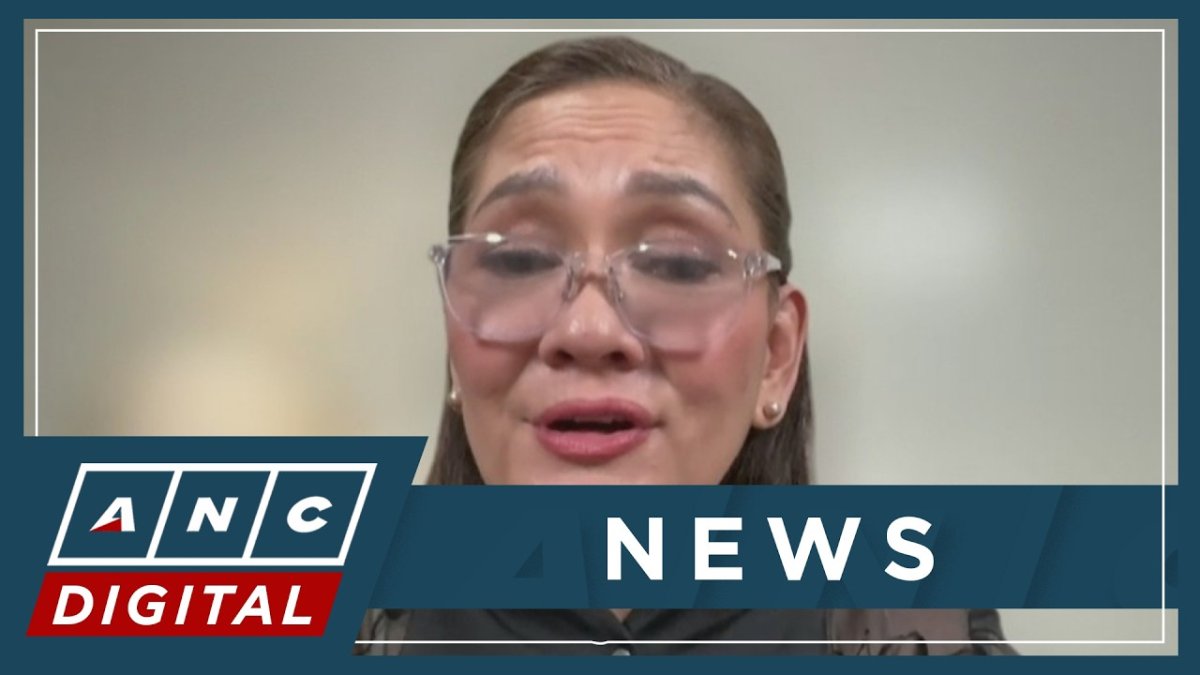
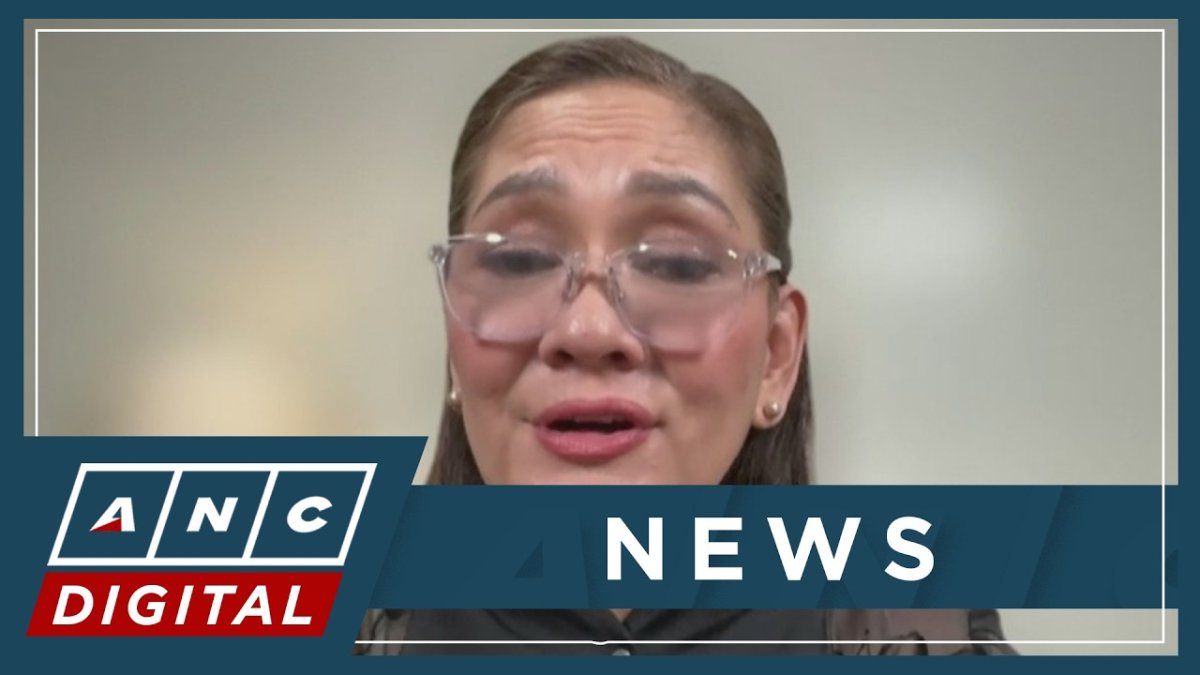
In a recent ANC 24/7 Headstart interview, Senator Risa Hontiveros laid out the Senate's multi-pronged agenda covering the deadly Tacloban school shooting investigation, the upcoming impeachment trial of Vice President Sara Duterte, and her own potential run for the presidency in 2028. The wide-ranging conversation with veteran journalist Karen Davila gave Filipino viewers a fro
In a recent ANC 24/7 Headstart interview, Senator Risa Hontiveros laid out the Senate's multi-pronged agenda covering the deadly Tacloban school shooting investigation, the upcoming impeachment trial of Vice President Sara Duterte, and her own potential run for the presidency in 2028. The wide-ranging conversation with veteran journalist Karen Davila gave Filipino viewers a front-row seat to the most pressing issues facing the nation this week.
Senator Hontiveros on Tacloban Shooting Probe, VP Impeachment Trial, and 2028 Plans
Manila, Philippines — The late June 2026 school shooting in Tacloban City has triggered the most comprehensive Senate investigation into online extremist networks targeting Filipino youth, with Senator Risa Hontiveros leading the charge to uncover how platforms and violent content may have influenced the tragedy.
The Tacloban School Shooting: What We Know
In late June 2026, the peaceful rhythm of daily life in Tacloban City, Leyte Province, Eastern Visayas, was broken when a minor opened fire inside a local school. Families in the surrounding barangays woke to heartbreaking news that left parents clutching their children tighter and neighbors gathering in quiet circles of grief. The tragedy struck at the heart of a community known for its resilience after past storms, turning classrooms that once echoed with laughter into scenes of profound sorrow and urgent questions about safety.
Senator Risa Hontiveros quickly stepped forward to chair the Senate committee probing the incident through Senate Resolution No. 357. Her leadership brought immediate attention to the shadowy "764" online extremist network that had targeted vulnerable minors with dangerous messages. The resolution called for a thorough look into how digital spaces could turn into pathways for violence, drawing on the strength of bayanihan to support affected families in their time of need.
PNP officers worked closely with Senate investigators to examine digital records and trace connections from the shooter back to hidden online groups. In the specific barangays around the school, students and teachers shared stories of sudden fear that replaced their usual routines of jeepney rides and afternoon merienda. The human cost weighed heavily on everyone, from young learners who lost friends to educators now seeking ways to protect the next generation in Eastern Visayas.
Senate Resolution No. 357: Scope and Purpose
Senate Resolution No. 357 was crafted to examine the risks young Filipinos face on online gaming platforms, with special focus on child protection measures for spaces like Roblox. The measure highlighted troubling links between violent extremist messaging and acts of violence carried out by minors, urging lawmakers to understand how these platforms reach into homes across the archipelago. Hontiveros made clear that the goal was never a total ban, a point confirmed by Vera Files fact-checks, but rather smart safeguards that keep children safe without cutting them off from useful digital tools.
The Senate committee invited several platforms to share their practices, though GoreBox declined the request and left questions about content moderation hanging in the air. Lawmakers explored how better oversight could prevent harmful content from reaching impressionable users while still allowing Filipino youth in provinces like Leyte to enjoy educational games and connect with friends. This balanced approach reflected the nation's deep value for both family security and the opportunities that technology brings to remote communities.
Discussions also touched on the need for stronger collaboration between tech companies and local authorities to monitor extremist activity before it escalates. Parents and community leaders welcomed the resolution as a step toward protecting the next generation without losing the benefits of digital access that many rely on for learning and livelihood. The effort showed how legislative work can honor Filipino values of care and responsibility in an increasingly connected world.
Digital Extremism: A Growing Threat to Filipino Youth
The "764" network spreads its influence by grooming minors through online games and chat rooms, drawing in children who spend hours in internet cafes from Quezon City all the way to Baguio. Parents have started sharing concerns about how easy it is for these hidden groups to reach kids using shared family devices or public connections in sari-sari stores. The threat feels especially close in households where OFW parents work abroad, leaving children to navigate digital spaces with less direct guidance from elders.
DepEd has been encouraged to bring digital literacy lessons into classrooms so students learn to spot dangerous messages early. In everyday Filipino life, where jeepney rides and neighborhood gatherings still shape strong community bonds, the rise of online extremism challenges the cultural priority placed on family protection and collective care. Children in rural barangays often lack the same supervision found in urban homes, making them more open to manipulation through games that seem harmless at first.
Community voices from across the country stress that Filipino values of close family ties and bayanihan must extend into the digital realm to keep youth safe. Teachers and local leaders call for workshops that blend traditional storytelling with lessons on online dangers, helping families stay united against these new threats. The growing concern reminds everyone that protecting children requires both modern tools and the timeless warmth of community support.
From Journalist to Legislator: Hontiveros's Path to Leadership
Risa Hontiveros began her public life as a broadcast journalist, reporting on stories that captured the struggles and hopes of ordinary Filipinos before entering Congress as a party-list representative in 2004. Her early work built a strong record on human rights, health care access, and women's issues that earned her the trust of many, including an endorsement from former Vice President Leni Robredo. This background in journalism gave her a unique ability to listen deeply to communities and turn their concerns into clear legislative action.
What sets Hontiveros apart in Philippine politics is her steady focus on practical solutions rooted in empathy rather than spectacle. Her committee work on child protection flows naturally from years of covering social issues on air, allowing her to connect Senate hearings with real barangay-level stories from places like Tacloban. Colleagues and constituents alike note how her approach brings a journalist's eye for detail together with a legislator's commitment to lasting change.
Through her leadership, Hontiveros continues to show how experience in media can strengthen public service by making complex topics accessible to everyday citizens. Her path reflects the broader Filipino journey of using personal skills to uplift the community, always guided by values of fairness and compassion. This foundation helps her address emerging challenges like digital extremism with both insight and heart.
Online Gaming Platforms Under Scrutiny
Parents across Quezon City and Baguio City have voiced growing alarm over how platforms like Roblox expose their children to harmful content that mirrors the influences seen in the Tacloban tragedy. Mothers who run sari-sari stores in these neighborhoods describe how children gather after school to play on shared devices, often without supervision, while fathers returning from jeepney routes worry about the violent themes that seep into everyday conversations at home. These ordinary families highlight the tension between digital access and safety in communities where internet cafes sit next to neighborhood stores.
GoreBox's decision to skip the Senate hearings has drawn sharp criticism from educators and local leaders who see it as a refusal to address corporate responsibility. DepEd has responded by accelerating its digital literacy programs in public schools, training teachers to guide students on recognizing extremist grooming tactics embedded in games. This push reaches even remote barangays where students rely on mobile data for both studies and recreation, showing how policy must adapt to the realities of Filipino youth culture.
Analysts note that the scrutiny extends beyond one company to broader questions of content moderation on global platforms popular in the Philippines. Families emphasize that gaming serves as affordable entertainment amid economic pressures, yet they demand safeguards that do not isolate children from peers. The Senate's measured approach avoids blanket bans while focusing on accountability that protects the next generation of learners in Eastern Visayas and beyond.
Community Response and Bayanihan in Tacloban
In the wake of the late June 2026 shooting, residents of Tacloban City have rallied through traditional bayanihan efforts to support grieving families and affected students. Neighbors in barangays near the school organized food drives and counseling sessions, drawing on the same spirit that helped communities recover from past typhoons in Leyte Province. Teachers who survived the incident describe how colleagues and parents formed support circles to help children process trauma while classes slowly resumed.
The Philippine National Police has worked alongside these local initiatives, sharing updates with barangay captains to maintain calm and gather community insights on the shooter's background. Students from nearby schools report feeling both fear and solidarity as they return to classrooms, with many crediting the collective response for restoring a sense of normalcy. This grassroots coordination underscores how Eastern Visayas communities lean on mutual aid when national investigations unfold.
Ordinary citizens, from market vendors to tricycle drivers, have contributed to memorial efforts that honor the victims and push for systemic change. These actions reflect deep cultural values of resilience and unity that define Filipino responses to tragedy. The bayanihan model ensures that the human stories behind the headlines remain central as the Senate probe continues.
VP Sara Duterte Impeachment Trial Opens
The House of Representatives impeached Vice President Sara Duterte for the second time on May 11, setting the stage for a Senate trial that opened on July 6 following summons served on July 3. This timeline creates a structured 92-day roadmap that allows both sides to present evidence while the nation watches closely. Ordinary Filipinos in provinces like Leyte and Cebu track these developments through radio broadcasts and community discussions, aware that the outcome could reshape political stability.
Senator Sherwin Gatchalian opened proceedings to 150 visitors, signaling transparency in a process that carries heavy constitutional weight. The Catholic Bishops' Conference of the Philippines has urged the Senate to proceed with fairness and dispatch, emphasizing the need for institutions to uphold accountability. A conviction would disqualify the vice president from holding future office, a consequence that resonates with voters who see the trial as a test of leadership integrity.
Public interest remains high as families discuss how the proceedings intersect with daily concerns like inflation and public services. The trial's structure provides clear milestones that keep citizens informed without overwhelming the legislative calendar. This moment highlights the Senate's role in balancing justice with governance continuity.
What the Trial Means for Philippine Democracy
The impeachment trial tests core institutions including the Senate, Supreme Court, and constitutional processes that guide national leadership transitions. Farmers in Mindanao and overseas Filipino workers in the Middle East follow updates because the results influence policies on agriculture subsidies and remittance protections. These groups recognize that institutional strength directly affects their livelihoods and family futures.
Ordinary citizens must watch for precedents that could affect future elections and checks on executive power. The trial's outcome may shape how COMELEC handles candidate qualifications in upcoming cycles, creating ripple effects felt in barangay halls nationwide. Analysts stress that public engagement ensures the process strengthens rather than weakens democratic norms.
By centering accountability, the proceedings offer lessons on governance that extend beyond Manila to every province. Families emphasize the importance of fair hearings that respect due process while addressing serious allegations. This episode reinforces the value of an active citizenry in safeguarding the Constitution.
2028 Presidential Race Takes Shape
Senator Risa Hontiveros has begun seriously considering a 2028 presidential bid, building on her journey that started as a party-list representative in 2004 and included time as a journalist exposing social issues. Her background gives her unique insight into connecting legislative work with public concerns across the archipelago. Supporters gathered at Bahay ng Alumni in UP Diliman on June 5 to discuss strategies for a unified opposition front.
Endorsements from figures like former Vice President Leni Robredo underscore the need for a single opposition candidate to consolidate votes against fragmented rivals. Lessons from past elections show how division among progressive groups allowed other forces to prevail, prompting current efforts to align platforms early. Hontiveros's consideration reflects a broader desire among voters for leaders who prioritize integrity and community welfare.
Filipinos from urban centers to rural areas weigh her record on human rights and social services when evaluating potential candidacies. The early discussions at academic venues signal that the race will involve substantive debates on national priorities. This phase allows time for grassroots input that shapes a competitive yet principled contest.
Hontiveros's Vision: From Senate Floor to Barangay Level
Hontiveros's transition from journalism to legislation informs her focus on child protection and institutional integrity that resonates with families nationwide. Her current Senate work on school safety directly ties into 2028 plans that emphasize protecting students in public schools from Quezon City to Tacloban. This continuity shows how national policy can address the daily realities of parents and educators.
OFW families appreciate her advocacy for welfare programs that support children left behind, while farmers value her pushes for equitable resource distribution. Her vision connects Senate hearings to barangay-level needs, ensuring that legislation reflects voices from sari-sari stores and jeepney routes. Voters increasingly seek candidates who demonstrate this grounded approach to governance.
By linking ongoing investigations to future leadership, Hontiveros positions her agenda around practical solutions for school safety and digital safeguards. This framework appeals to citizens who want leaders attuned to both urban and provincial challenges. Her path illustrates the power of sustained public service in building trust.
The 'WinRi' Phenomenon and Collaborative Leadership
The viral pairing of Senators Risa Hontiveros and Sherwin Gatchalian, dubbed "WinRi" on social media, has captured public imagination as a symbol of cross-party cooperation during the impeachment process. Netizens share clips of their joint efforts on the 92-day roadmap, highlighting how collaboration advances public interest over partisan divides. This phenomenon engages younger Filipinos who follow political developments through online platforms.
The cooperation demonstrates how senators from different backgrounds can align on institutional matters like the trial's transparency measures. Filipino audiences respond positively to such moments because they signal potential for effective governance amid complex challenges. The engagement boosts awareness of Senate proceedings among communities far from the capital.
Observers note that this dynamic could influence future legislative partnerships on issues from education to public safety. The phenomenon underscores growing public appetite for leaders who prioritize results through dialogue. It adds a layer of optimism to national discourse centered on accountability and unity.
By Bella Reyes, Staff WriterThis article was produced with AI-assisted research and editorial support. Reporting is based on sources cited in the article.
What's Your Reaction?
 Like
0
Like
0
 Dislike
0
Dislike
0
 Love
0
Love
0
 Funny
0
Funny
0
 Wow
0
Wow
0
 Sad
0
Sad
0
 Angry
0
Angry
0

Philippines/Southeast Asia Correspondent at Global1.News. Manila-based journalist covering Philippine politics, environment, maritime security, and social issues. Passionate about marine conservation and the communities protecting the Philippines' natural heritage.












Comments (0)