
SpaceX Falcon 9 Completes Record 35th Flight: What It Means for India's Space Sector and Starlink's Market Entry
SpaceX shattered its own reusability record on June 8, 2026, when Falcon 9 booster B1067 completed its 35th flight — a milestone that sends a clear signal to India's emerging private space ecosystem about the commercial potential of rocket reuse. SpaceX Falcon 9 Completes Record 35th Flight: What It Means for India's Space Sector and Starlink's Market Entry New Delhi, India – J
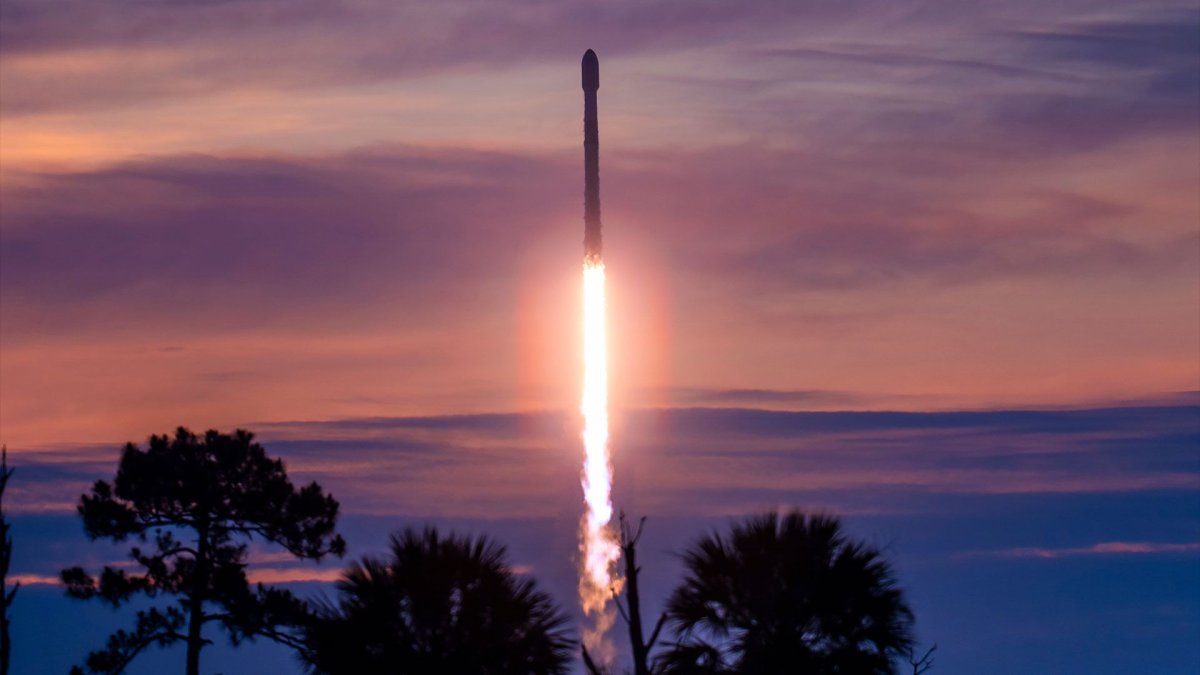
SpaceX shattered its own reusability record on June 8, 2026, when Falcon 9 booster B1067 completed its 35th flight — a milestone that sends a clear signal to India's emerging private space ecosystem about the commercial potential of rocket reuse.
SpaceX Falcon 9 Completes Record 35th Flight: What It Means for India's Space Sector and Starlink's Market Entry
New Delhi, India – June 8, 2026 — Booster B1067 completed its 35th flight from Cape Canaveral Space Force Station at 6:13:50 a.m. EDT (1013:50 UTC), deploying 29 Starlink satellites into low Earth orbit. The 45th Weather Squadron reported 90 percent favorable conditions for the launch. This event marks the highest flight count for any orbital booster, with the Starlink constellation now exceeding 10,500 spacecraft.
Engineering Data and Accounting Constraints in Reusable Systems
SpaceX documentation from the June 12, 2026 IPO prospectus states that Falcon 9 boosters support up to 40 flights technically, yet the firm caps accounting life at 25 flights due to utilization forecasts and government contract limits on boosters exceeding five flights. As of June 8, 2026, seven Falcon boosters had surpassed 25 flights, while only eight of 165 Falcon 9 launches in 2025 used a new booster — a reusability rate exceeding 95 percent.
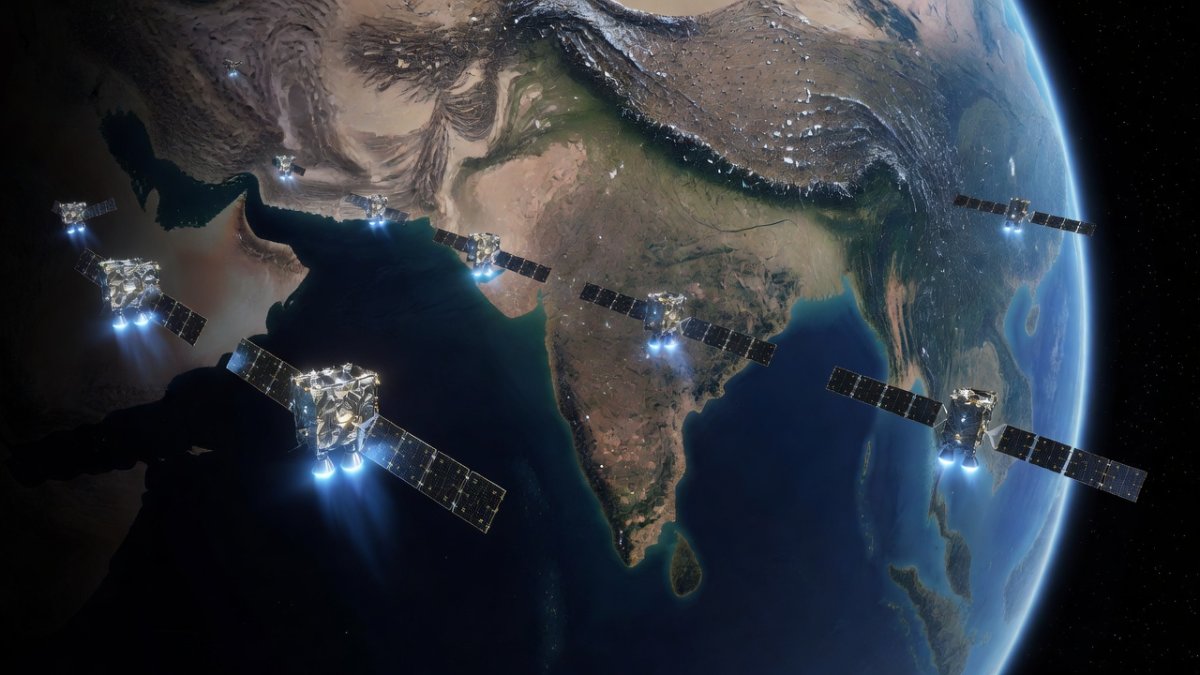
IN-SPACe Authorization Opens Five-Year Window for Starlink in India
IN-SPACe granted Starlink a five-year satellite services authorization, enabling operations through the wholly owned subsidiary Starlink Satellite Communications Private Limited. This regulatory step aligns with India's push to integrate global broadband into rural connectivity programs under the Ministry of Electronics and Information Technology. The authorization covers satellite-based internet services across Indian territory, placing Starlink in direct competition with Reliance Jio's terrestrial broadband and Bharti Airtel's satellite ventures.
Private Space Startups in Bengaluru and Hyderabad Draw Venture Capital
Indian propulsion labs and satellite firms in Bengaluru and Hyderabad have secured increased venture funding following the Starlink entry. Startups such as Skyroot Aerospace, Agnikul Cosmos, and Pixxel are among those attracting capital from domestic and international investors. These developments connect directly to the tech sector's growth, where IIT graduates from campuses in Mumbai, Chennai, and Kanpur contribute engineering talent to both ISRO projects and private ventures.
DRDO and Ministry of Science and Technology Shape Domestic Reusability Goals
DRDO facilities in Hyderabad are advancing reusable launch vehicle prototypes, drawing lessons from Falcon 9 data on booster reuse. The Ministry of Science and Technology has allocated resources to match international flight cadences, linking these efforts to India's education system through expanded aerospace programs at IIT Delhi and IIT Madras. India's Reusable Launch Vehicle-Technology Demonstration (RLV-TD) program is preparing for its next landing experiment, informed by the operational data SpaceX has now accumulated over 35 flights of a single booster.
Strategic Implications for India's Broader Tech and Healthcare Ecosystems
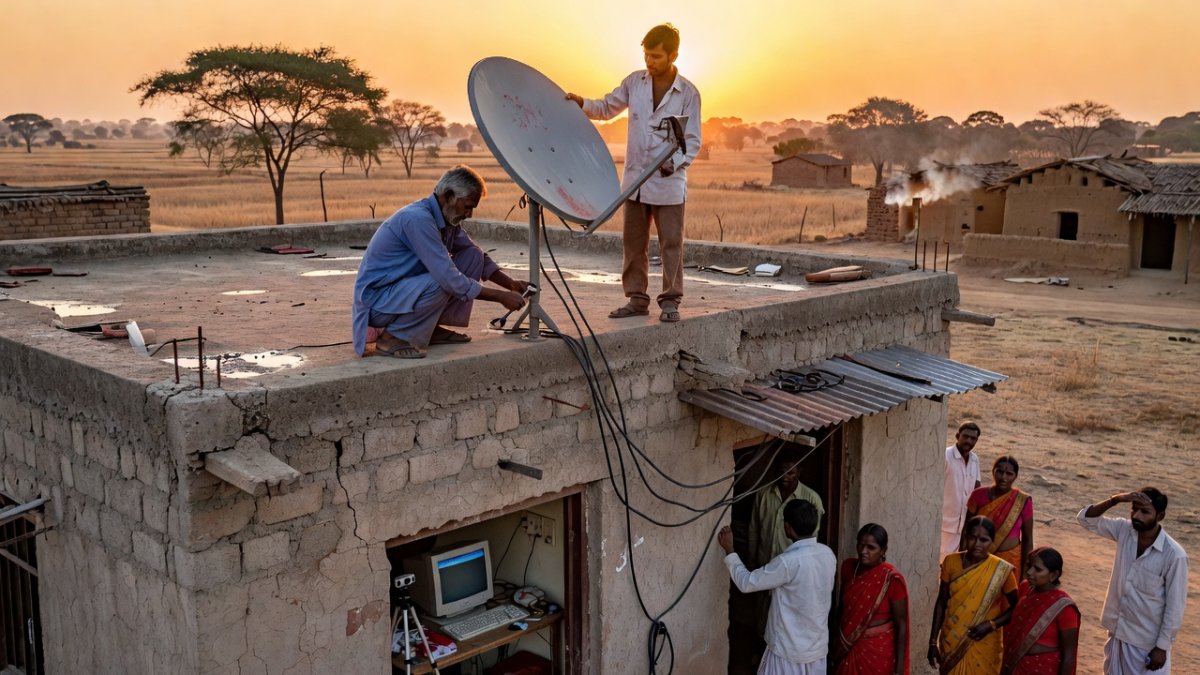
Enhanced satellite coverage from Starlink supports telemedicine initiatives in remote districts of Rajasthan and Odisha, integrating with the national healthcare framework under the Ayushman Bharat scheme. Low-latency satellite internet can connect primary health centres in Lakshadweep, Arunachal Pradesh, and the Andaman and Nicobar Islands to specialist hospitals in metropolitan cities. This connectivity also bolsters political digital governance platforms while accelerating private sector innovation tied to ISRO's commercial arm, NewSpace India Limited.
The Bottom Line
SpaceX's 35-flight milestone on booster B1067 demonstrates that orbital reusability is no longer experimental — it is commercial reality. For India, the implications cut across multiple domains: competition for Starlink from domestic satellite operators, regulatory frameworks under IN-SPACe, talent development at IITs and IISc, and technology transfer opportunities under the US-India Initiative on Critical and Emerging Technologies (iCET). The question is no longer whether reusability works, but whether India's space ecosystem can match the pace.
— By Dr. Raj Patel, Staff Writer
This article was produced with AI-assisted research and editorial support. Reporting is based on sources cited in the article.
What's Your Reaction?
 Like
0
Like
0
 Dislike
0
Dislike
0
 Love
0
Love
0
 Funny
0
Funny
0
 Wow
0
Wow
0
 Sad
0
Sad
0
 Angry
0
Angry
0

India/South Asia Correspondent at Global1.News. Analytical voice with a background in science and health journalism. Based in New Delhi, covering Indian politics, education, healthcare, technology, and policy. Breaks down complex data into clear, actionable reporting.















Comments (0)