
Pointe-Noire Stages 13th Carrousel International de la Mode to Champion African Textiles on World Stage
The 13th edition of the Carrousel International de la Mode wrapped up this week in Pointe-Noire after four days of runway shows, textile workshops, and industry panels that drew designers and buyers from across Central Africa. Held from June 4 to 7 under the theme African Textiles: From Heritage to Global Value, the event spotlighted traditional fabrics from the Republic of Con
The 13th edition of the Carrousel International de la Mode wrapped up this week in Pointe-Noire after four days of runway shows, textile workshops, and industry panels that drew designers and buyers from across Central Africa. Held from June 4 to 7 under the theme African Textiles: From Heritage to Global Value, the event spotlighted traditional fabrics from the Republic of Congo and neighboring countries while positioning Pointe-Noire as a growing center for creative industries. Founder Pascaline Kabré Turmel stated that the gathering encourages participants to discover and share the textiles of their respective countries, moving from heritage to global value by introducing traditional fabrics to the rest of the world.
Pointe-Noire Stages 13th Carrousel International de la Mode to Champion African Textiles on World Stage
Pointe-Noire, Republic of Congo — The economic capital of the Republic of Congo hosted the latest edition of one of Central Africa's premier fashion platforms, reinforcing local craftsmanship amid a regional push for cultural exports. Organizers reported strong attendance from fashion professionals who examined how pre-colonial weaving techniques can meet contemporary market demands. The four-day program aligned with broader efforts by Congolese authorities to treat fashion as both an economic driver and a vehicle for national identity. This edition of the Carrousel also marked a milestone, growing from a modest regional showcase into a gathering that draws participation from designers based in Kinshasa, Douala, Libreville, and beyond.
Event Overview and Theme
The Carrousel International de la Mode opened on June 4 with an exhibition of historical and modern textiles at the Pointe-Noire cultural center. The theme African Textiles: From Heritage to Global Value guided every panel and showcase, prompting designers to trace their materials back to specific regions such as the Kongo cultural area. Pascaline Kabré Turmel, who founded the event in the late 2010s, emphasized that each edition builds networks among African creators rather than simply staging shows. She noted during the opening ceremony that the fashion industry in Central Africa is at a turning point, with growing demand from international buyers who want fabrics with documented provenance and cultural significance.
Workshops during the first two days focused on dyeing methods for pagne fabrics and the geometric construction of raffia weaves. Participants examined how these techniques survived colonial disruptions and now face new opportunities in export markets. The program formed part of the This Is Culture series broadcast on africanews, extending its reach beyond the immediate audience in Pointe-Noire to viewers across the continent who follow African fashion developments.
Local government representatives attended the opening ceremony and announced continued support for infrastructure that benefits emerging designers. Their involvement reflects a deliberate strategy to link cultural events with job creation in the textile and tailoring sectors. By the final day on June 7, several buyers had placed orders for collections that incorporate verified Congolese and Cameroonian fabrics, signaling that the link between heritage and global value is already bearing commercial fruit.
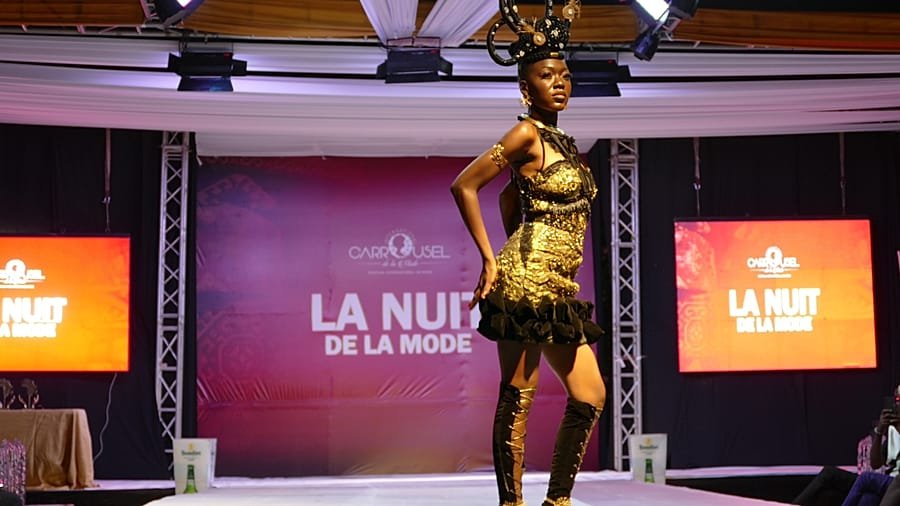
Featured Designers and Their Collections
Congolese couturier Marco, founder of Marco Fashion in Kinshasa, presented a full collection constructed exclusively from Democratic Republic of Congo fabrics. His pieces highlighted Kuba cloth with its intricate geometric patterns alongside raffia textiles drawn from the historic Kongo cultural region. The designs demonstrated how these materials can transition from ceremonial use to structured garments suitable for international runways. Marco's commitment to sourcing entirely within the DRC positions him as part of a growing movement of African designers who insist on local supply chains from raw material to finished garment.
Cameroonian designer Tiny Tiknyemb unveiled a collection titled L'Unité that combined three distinct traditional Cameroonian textiles. The work symbolized national cohesion across ethnic communities by layering patterns that originate from different regions of Cameroon. Tiknyemb explained that the deliberate mixing of cloths mirrors the social fabric of a diverse nation while maintaining respect for each textile's origin and the communities that produce them. The collection received strong interest from attendees, with several boutiques expressing interest in stocking the designs.
Both designers participated in post-show discussions that examined supply-chain challenges for African weavers. Marco noted that sourcing consistent quantities of handwoven raffia remains difficult yet essential for scaling production. Tiknyemb added that collaborations between Cameroonian and Congolese artisans could create new hybrid fabrics for future collections, pointing to a shared vision that transcends national borders.
African Textiles Heritage and Pre-Colonial Traditions
The Republic of Congo possesses a textile legacy rooted in the historical Kingdom of Kongo, once among Africa's leading producers of sophisticated palm-fiber cloths. These early fabrics featured complex weaves that served both practical and diplomatic functions across Central Africa. The Carrousel program dedicated an entire afternoon to demonstrations of raffia processing that still follow methods documented centuries ago, connecting contemporary designers to a lineage of craftsmanship that predates the transatlantic trade.
Kuba cloth, with its bold geometric motifs, appeared prominently in Marco's collection and drew direct connections to the Kongo cultural region spanning modern borders. Pagne fabrics, the vibrant printed wrappers common throughout Central Africa, received equal attention during workshops that explored their adaptation for contemporary tailoring. Participants compared these traditions with weaving practices found in Senegal's Wolof communities, noting shared techniques in resist dyeing and the use of natural indigo that link West and Central African textile heritage.
La Sape, the longstanding Congolese practice of elegant dressing centered in both Brazzaville and Pointe-Noire, provided living context for the heritage discussions. Many attendees wore tailored ensembles that incorporate pagne and raffia elements, illustrating how everyday style continues to honor ancestral craftsmanship. The event therefore served as both an archive for endangered techniques and a laboratory for their contemporary reinvention.
Significance for the Central African Fashion Scene
After thirteen editions, the Carrousel has helped establish Pointe-Noire as a recognized creative hub within Central Africa. The city now regularly attracts participants who previously traveled only to larger festivals in Lagos or Johannesburg. Local authorities view this positioning as a means to diversify the economy beyond oil extraction, recognizing that cultural industries offer sustainable employment and international visibility. The Carrousel has become a fixture on the regional fashion calendar, alongside events in Douala and Libreville.
The 12th edition held in September 2025 carried the theme L'étiquetage des tissus africains, which laid groundwork for this year's focus on global value. That continuity has allowed designers to refine their approaches over multiple years rather than treating each event as isolated. Pointe-Noire's port facilities further support the movement of fabric samples and finished garments to regional markets, making the city a logistical hub as well as a creative one.
An upcoming fourth edition of RIMO Fashion Week, scheduled for August 18-21, 2026, in the same city, will build directly on the Carrousel's momentum. Organizers of both events have begun coordinating schedules to create a summer circuit that keeps international attention on Congolese creativity, positioning Pointe-Noire as a destination for fashion tourism in Central Africa.
Impact on African Creative Economy and Tourism
The Carrousel generates measurable economic activity through hotel bookings, fabric purchases, and commissions for local tailors. Pointe-Noire businesses reported increased sales during the four days, particularly among vendors supplying traditional textiles. This pattern aligns with similar festivals across the continent that convert cultural programming into sustained revenue, from Dakar Fashion Week to Lagos Fashion Week. The economic multiplier effect extends beyond the event itself, as visiting buyers return for future sourcing trips.
Tourism officials noted that fashion events complement existing attractions such as the coastal scenery and historical sites tied to the Kingdom of Kongo. Visitors who attend the Carrousel often extend their stays to explore related cultural offerings, creating longer-term economic benefits. The event therefore contributes to a broader strategy that markets the Republic of Congo as a destination for creative tourism — a sector that several African nations are now actively developing to reduce dependence on extractive industries.
By foregrounding African textiles, the gathering also supports weavers and dyers who operate outside formal fashion weeks. These artisans gain visibility that can lead to export contracts and partnerships with international brands seeking authentic materials. The result strengthens the entire supply chain from rural production zones to urban design studios, creating a more resilient ecosystem for African fashion.
Connection to the Broader African Fashion Movement
The Pointe-Noire event echoes initiatives such as Dakar Fashion Week and Lagos Fashion Week, where designers similarly blend heritage textiles with modern silhouettes. Afrobeats aesthetics and Nollywood costume design have popularized these fabrics across global media, creating demand that Central African creators can now meet. The Carrousel positions its participants within this expanding network rather than in isolation, recognizing that African fashion is a continental conversation rather than a collection of separate scenes.
Senegal's own textile traditions, including the vibrant prints associated with Youssou N'Dour's stage presence and the woven cloths featured at the Dakar Biennale, offer parallel examples of how local materials travel internationally. Designers at the Carrousel referenced these Senegalese successes as models for scaling production while preserving cultural specificity. The Saint-Louis Jazz Festival and other Senegalese cultural events demonstrate how creative programming can build international audiences over time — lessons that the Carrousel's organizers have clearly absorbed.
Film industries including Nollywood, Ghallywood, and Bongowood increasingly source costumes from African weavers, further linking fashion events to screen visibility. The Carrousel's emphasis on documented provenance helps ensure that fabrics used in such productions carry verifiable stories that resonate with audiences seeking authentic representation. This synergy between fashion and film represents one of the most promising growth areas for the African creative economy.
Future of the Carrousel and African Textiles on the Global Stage
Pascaline Kabré Turmel confirmed that planning for the 14th edition has already begun, with an emphasis on digital platforms that can connect Pointe-Noire designers to buyers in Europe and Asia. The goal remains to move African textiles from heritage status to recognized global value through sustained exposure and quality certification. She envisions a future where fabrics from the Republic of Congo carry the same prestige as Italian silk or Indian cotton in the global fashion market.
Regional cooperation with events such as the Saint-Louis Jazz Festival in Senegal and the FESPACO film gatherings in Burkina Faso could create cross-sector programming that multiplies audiences. Such linkages would allow textile showcases to travel alongside music and cinema, reinforcing Africa's integrated creative economy. The Carrousel's organizers have already initiated conversations with counterparts in West Africa about a possible touring exhibition of Central African textiles.
Buyers who attended this week's edition expressed interest in developing capsule collections that feature Kuba cloth and raffia for international retailers. If realized, these partnerships would mark a concrete step from local runway to global market, fulfilling the theme that guided the 13th Carrousel International de la Mode. For Amara Diop and every observer of African fashion, this edition confirmed that the continent's textile heritage is not merely a relic of the past but a living resource with genuine commercial and cultural power.
By Amara Diop, Staff Writer
This article was produced with AI-assisted research and editorial support. Reporting is based on sources cited in the article.
What's Your Reaction?
 Like
0
Like
0
 Dislike
0
Dislike
0
 Love
0
Love
0
 Funny
0
Funny
0
 Wow
0
Wow
0
 Sad
0
Sad
0
 Angry
0
Angry
0

West Africa/Sahel Correspondent at Global1.News. Dakar-based journalist covering politics, security, climate, and development across Francophone and Anglophone West Africa. Tells the stories of a region undergoing profound transformation.













Comments (0)