
Trump China Election Claims Spark UK Interference Fears
British voters watching the latest White House drama will recognise familiar anxieties about foreign interference in democratic processes. Donald Trump’s renewed assault on China echoes the warnings in Britain’s own Intelligence and Security Committee Russia Report, which exposed vulnerabilities long before the 2019 election.
British voters watching the latest White House drama will recognise familiar anxieties about foreign interference in democratic processes. Donald Trump’s renewed assault on China echoes the warnings in Britain’s own Intelligence and Security Committee Russia Report, which exposed vulnerabilities long before the 2019 election. With the US midterms looming, the ripple effects on trade, NATO and AUKUS could reshape Britain’s security and economic landscape in ways that reach every high street.
Trump Accuses China of 2020 Election Meddling in White House Address
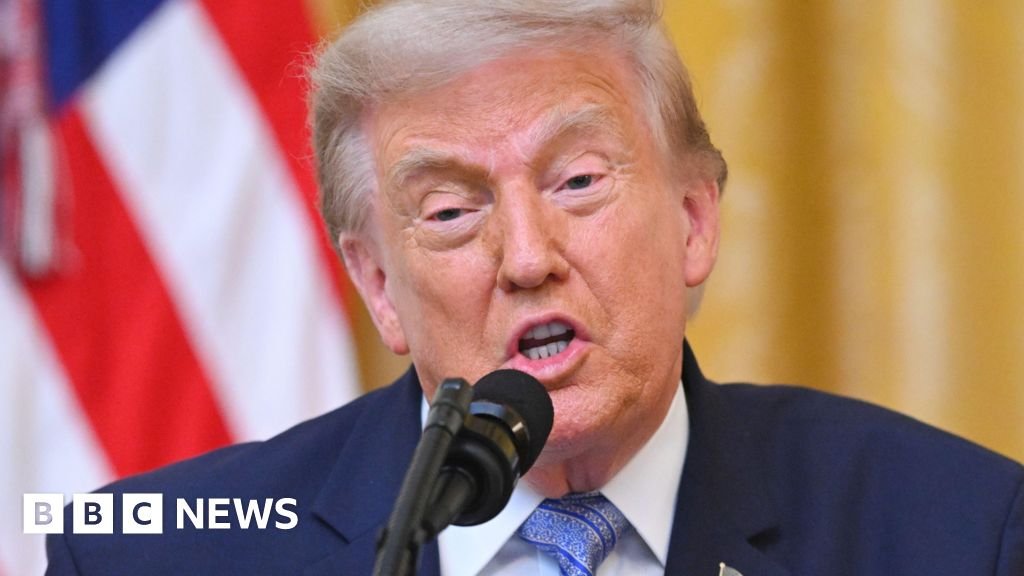
Washington, DC – 17 July 2026 — In a tightly controlled primetime address from the White House on 16 July, Donald Trump levelled explosive accusations that China had hacked voter data from 18 American states, acquiring files belonging to 220 million citizens. He further claimed that 278,000 non-citizens had been registered to vote, citing a Department of Homeland Security assessment, and pointed to an alleged fraud scheme in Michigan. No evidence was presented during the speech to demonstrate that any data had been used to alter electoral outcomes, and questions from the press were not permitted.
Details of the White House Address
The 16 July broadcast marked another chapter in Trump’s sustained campaign against the integrity of the 2020 contest, which he lost to Joe Biden. Delivered without the usual press conference format, the address allowed the former president to present his narrative uninterrupted, focusing on alleged Chinese cyber operations rather than domestic political opponents. Observers noted the absence of new documentation or intelligence assessments to support the scale of the claims.
Trump has repeated variations of these assertions more than 100 times this year alone, framing them as central to his political comeback. The decision to stage the speech from the White House itself lent institutional weight to the remarks, even as fact-checkers and former intelligence officials continued to question their foundation. For British audiences accustomed to parliamentary scrutiny of ministerial statements, the format appeared strikingly insulated from immediate challenge.
White House aides emphasised that the address was intended to galvanise support ahead of the midterms, which will determine control of Congress. The timing also coincided with heightened tensions over Taiwan and technology export controls, suggesting the electoral allegations formed part of a broader geopolitical message. UK diplomats monitoring the event noted the potential for such rhetoric to complicate ongoing trade negotiations between London and Washington.
Scale of Alleged Chinese Hacking Operations
Trump asserted that Chinese actors had penetrated state election systems across 18 jurisdictions, harvesting personal information on an unprecedented scale. The figure of 220 million affected Americans was presented without accompanying technical detail or independent verification from cybersecurity agencies. Critics highlighted that similar claims in previous years had failed to produce prosecutions or public indictments tied directly to vote manipulation.
The additional reference to 278,000 non-citizens registered to vote drew on a Department of Homeland Security estimate, yet the speech offered no breakdown by state or explanation of how these registrations might have influenced results. Michigan was singled out for particular scrutiny, with Trump describing an organised fraud scheme, though again without documentary evidence shown to viewers. Such specificity risks inflaming local tensions without resolving outstanding legal questions.
US intelligence assessments released after the 2020 election concluded that China had not engaged in efforts to alter the outcome, a finding that stands in contrast to the detailed findings on Russian activity in 2016. The discrepancy has prompted renewed debate in Washington about the politicisation of intelligence. In Britain, where the Intelligence and Security Committee has published rigorous reports on foreign interference, the absence of comparable transparent analysis in the US address drew quiet concern among parliamentary researchers.
Historical Context of Repeated Accusations
Trump’s pattern of alleging foreign interference in the 2020 result has become a defining feature of his post-presidency rhetoric. Having made the claims more than 100 times this calendar year, the July address represented an escalation in tone rather than a shift in substance. Supporters view the persistence as evidence of principled vigilance, while opponents see it as an attempt to delegitimise a certified election result.
The 2020 defeat to Biden remains a central grievance within Trump’s political movement, fuelling fundraising and primary challenges. By focusing on China rather than domestic actors, the narrative aligns with wider strategic competition between Washington and Beijing. British analysts note parallels with how Russian interference allegations were weaponised in UK political discourse following the 2016 referendum and subsequent elections.
Independent verification of the specific hacking claims has remained elusive, with cybersecurity firms and federal agencies declining to corroborate the 220 million figure in public statements. This evidentiary gap mirrors earlier controversies surrounding the 2016 Russian operation, where concrete indictments eventually emerged but only after extensive investigation. The contrast underscores differing standards of proof applied across election cycles.
Proposed SAVE America Act Reforms
Trump used the address to promote the SAVE America Act, legislation that would ban most forms of mail-in voting and mandate proof of citizenship alongside photo identification. The proposals echo elements of Britain’s Elections Act 2022, which introduced mandatory voter ID across Great Britain amid similar debates about electoral integrity. Critics argue that such measures disproportionately affect younger and minority voters, though proponents maintain they safeguard against fraud.
Notably, Trump himself utilised mail voting during the 2026 primaries, highlighting the practical tensions within the proposed restrictions. The bill’s emphasis on citizenship verification would represent a significant departure from current federal practices, potentially requiring new bureaucratic infrastructure at state level. UK observers familiar with the rollout of voter ID in England, Scotland and Wales will recognise the administrative challenges such changes entail.
Regional variations in British electoral administration, particularly between Scotland, Northern Ireland and England, offer instructive comparisons. Scotland’s distinct rules on postal voting have long been more permissive, yet turnout patterns in cities such as Glasgow and Edinburgh demonstrate that access remains uneven. Any US adoption of stricter identification requirements could influence transatlantic discussions on balancing security with participation.
Chinese Government Response and Denials
Beijing’s reaction was swift and unequivocal. Foreign Ministry spokesperson Lin Jian dismissed the accusations as “malicious smears” that were “long proven groundless”. Chinese officials pointed to the absence of supporting evidence from US intelligence agencies, reiterating that no credible assessment had linked China to interference in the 2020 contest. The statement aligned with previous diplomatic rebuttals that frame such claims as attempts to deflect domestic political failures.
US intelligence community assessments following the 2020 election explicitly found no Chinese effort to change the result, distinguishing the episode from documented Russian activities in 2016. This established record has been cited repeatedly by Democratic lawmakers seeking to contextualise Trump’s latest intervention. The gap between political rhetoric and intelligence findings continues to fuel partisan division in Washington.
For Britain, which maintains its own concerns about Chinese influence operations in universities and parliamentary offices as flagged by the Intelligence and Security Committee, the exchange carries additional resonance. Parliamentary researchers have warned of potential interference vectors that extend beyond elections into research funding and political access. The Chinese denial therefore resonates within ongoing UK debates about academic freedom and national security screening.
Democratic Governors’ Joint Response
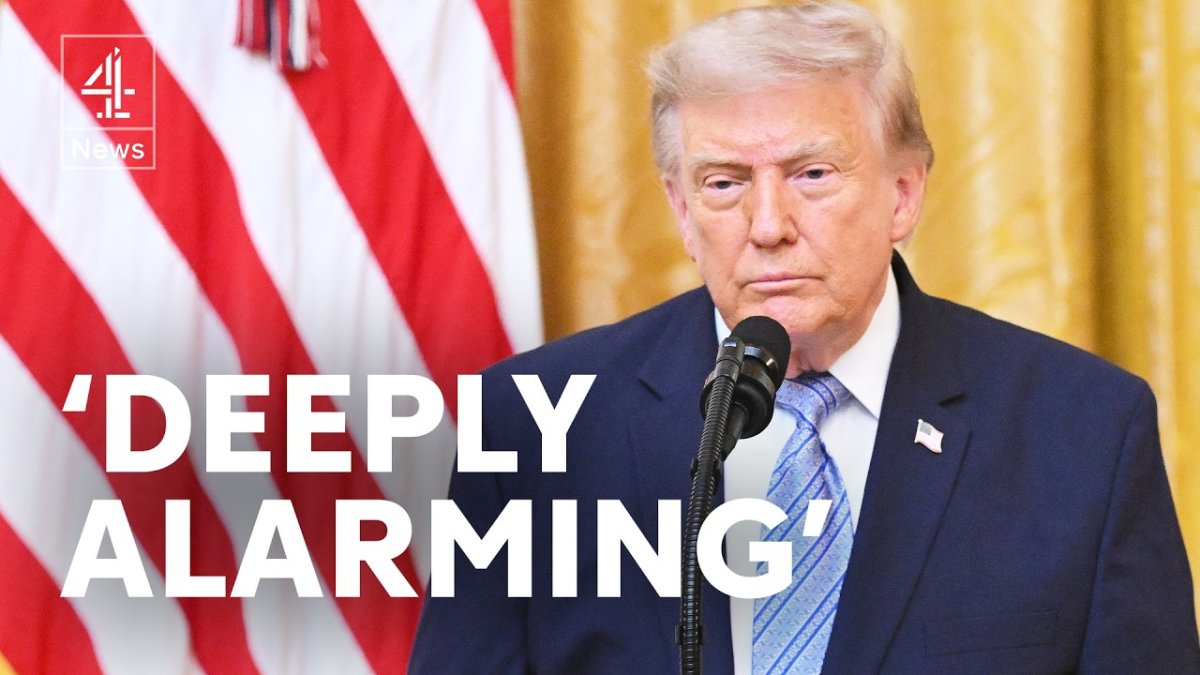
A coalition of Democratic governors issued a joint letter condemning the address as “deeply alarming”, arguing that unsubstantiated claims erode public confidence in electoral institutions. The statement called for greater transparency from federal agencies and warned against the politicisation of intelligence for electoral gain. Such coordinated responses reflect heightened state-level anxiety ahead of the midterms.
Trump’s current approval rating stands at 37 per cent according to Washington Post-Ipsos polling, suggesting limited immediate electoral dividend from the renewed focus on 2020. Nevertheless, the midterms remain critical for determining whether Republicans can secure unified control of Congress. British trade negotiators are watching closely, aware that legislative gridlock in Washington could stall progress on post-Brexit agreements.
The governors’ intervention also highlighted the absence of any mechanism for real-time rebuttal during the address itself. In the UK, prime ministerial statements in the House of Commons are subject to immediate questioning, providing a structural check absent from the White House format. This procedural difference has prompted commentary among Westminster observers about the health of democratic accountability on both sides of the Atlantic.
Comparisons with UK Electoral Safeguards
Britain’s experience with the 2020 Russia Report offers a useful lens through which to view the American developments. The Intelligence and Security Committee concluded that Russian interference in UK democracy had been underestimated, prompting subsequent legislative responses including the Elections Act 2022. Trump’s focus on China invites similar scrutiny of whether British institutions are adequately prepared for evolving threats from Beijing.
Extensive use of postal voting in the UK stands in contrast to the restrictions proposed under the SAVE America Act. While British authorities have tightened identification requirements, postal ballots remain a cornerstone of participation, particularly in urban centres such as Birmingham and Manchester where turnout can fluctuate significantly. Any US shift toward stricter mail-in limits would therefore diverge from established British practice.
Chinese influence concerns in the UK extend beyond elections to encompass university campuses and parliamentary researchers, areas already flagged by the Intelligence and Security Committee. These warnings have informed new vetting procedures and funding transparency rules. The transatlantic conversation on foreign interference thus encompasses both electoral mechanics and wider societal resilience.
Implications for UK-US Relations and Midterms
The outcome of the US midterms will shape the trajectory of the special relationship, influencing everything from defence spending commitments to energy security cooperation. Heightened US-China tensions, amplified by electoral rhetoric, could accelerate AUKUS technology sharing while complicating trade talks. British officials are preparing contingency plans should congressional control shift dramatically.
Defence spending debates in Westminster are increasingly intertwined with American strategic priorities, particularly as NATO allies respond to evolving threats in the Indo-Pacific. Trump’s emphasis on Chinese electoral interference reinforces a narrative of systemic competition that London cannot ignore. Energy security, already strained by global supply disruptions, forms another vector where US policy choices reverberate through British households.
Regional electoral dynamics within the UK, from differential turnout in Glasgow to distinct arrangements in Northern Ireland, underscore the complexity of maintaining public trust across diverse jurisdictions. As Washington grapples with its own integrity questions, British policymakers will continue to monitor how allegations of foreign meddling affect both domestic cohesion and the broader alliance. The coming months will test whether institutional safeguards on either side of the Atlantic prove robust enough to withstand renewed geopolitical strain.
By Erica Thornton, Staff Writer ---WORD COUNT: 1813---This article was produced with AI-assisted research and editorial support. Reporting is based on sources cited in the article.
What's Your Reaction?
 Like
0
Like
0
 Dislike
0
Dislike
0
 Love
0
Love
0
 Funny
0
Funny
0
 Wow
0
Wow
0
 Sad
0
Sad
0
 Angry
0
Angry
0

US Politics and Policy Correspondent at Global1.News. Based in Washington DC, covering American politics, policy, elections, and the courts. Knows how the system works and tells you what it actually means.















Comments (0)