
South Korea World Cup Exit Exposes KFA Cronyism and Political Reform Crisis
**Keywords:** South Korea football crisis, KFA cronyism, Lee Jae-myung, Hong Myung-bo resignation, Korea Football Association reform, 2026 World Cup exit, sports governance Korea, Son Heung-min apology, Chung Mong-gyu, institutional transparency South Korea The elimination of the South Korean national football team from the 2026 FIFA World Cup in Mexico has transcended sporting
The elimination of the South Korean national football team from the 2026 FIFA World Cup in Mexico has transcended sporting disappointment to expose deep structural weaknesses in the governance of Korean public institutions. Finishing third in Group A after a solitary victory against the Czech Republic and defeats to Mexico and a South African side ranked more than twenty positions lower, the outcome has triggered an unprecedented public and political reckoning centered on the Korea Football Association.
Head coach Hong Myung-bo's resignation followed immediately, yet the episode has drawn sustained attention to the intersection of sports administration and national politics rather than match results alone.
President Lee Jae-myung's direct characterization of the coach as "incapable" and his order for a comprehensive review of the national football program mark a significant departure from prior patterns of limited executive involvement in athletic federations.
The Intersection of Sports Governance and National Politics
In South Korea, major sporting bodies have long operated with considerable autonomy while remaining tied to political and corporate networks. The current crisis illustrates how failures on the international stage can rapidly migrate into the domain of state oversight. President Lee's call for an investigation into the Korea Football Association and broader administrative reform underscores the perception that sporting performance reflects wider questions of institutional competence and accountability.
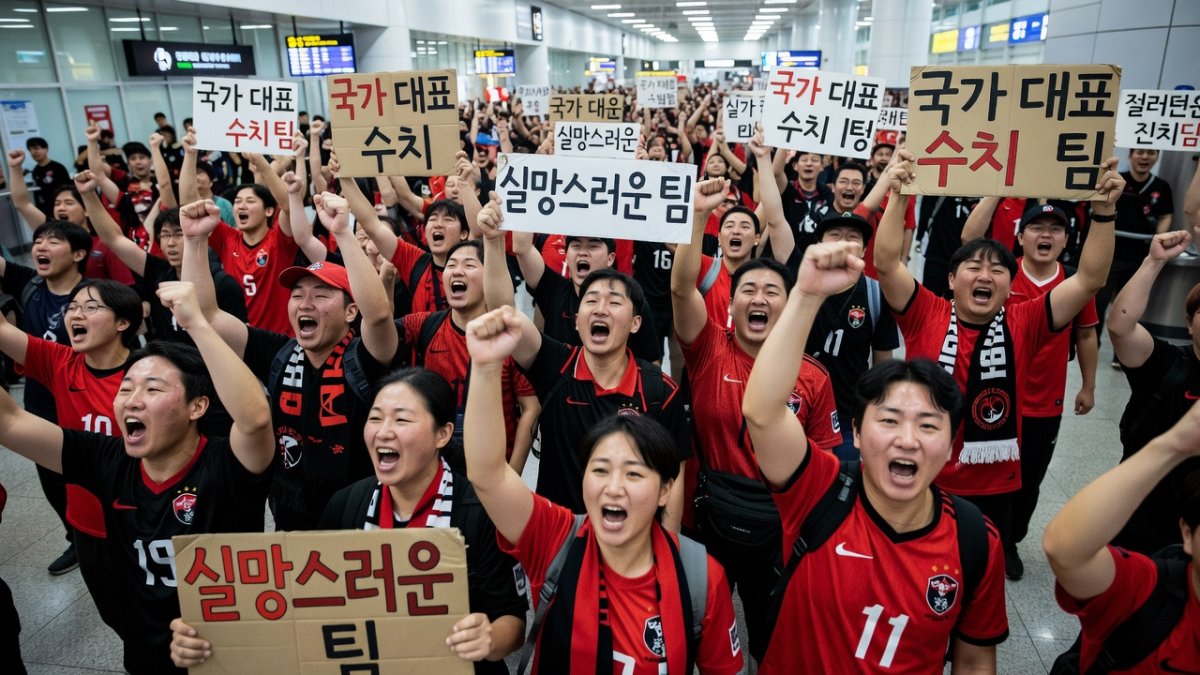
This linkage carries particular weight given Korea's historical use of international sporting events to project national capability, from the 1988 Seoul Olympics onward. The absence of any formal airport reception for the returning squad at Incheon—the first such occurrence after an overseas World Cup—signals a rupture in the customary rituals that once reinforced collective national identity through sport.
Long-Standing Issues of Transparency and Cronyism in the KFA
A government audit conducted in late 2024 already documented deficiencies in the transparency surrounding the dismissal of previous coach Jürgen Klinsmann and the subsequent appointment of Hong Myung-bo. Critics, including sports commentator Choi Dong-ho, have identified the Korea Football Association's structural incompetence as the central problem. Chairman Chung Mong-gyu has faced renewed questioning over the 2024 appointment process, which the audit suggested prioritized personal and institutional connections over merit-based selection.
These patterns echo longstanding concerns about favouritism within Korean sporting federations, where leadership positions have occasionally been occupied by individuals whose primary qualifications derive from corporate or political affiliations rather than technical expertise in the relevant domain. The President's statement that "when favouritism and cronyism take precedence over competence in selecting a commander, the result is as predictable as fire burning paper" directly invokes this critique.
President Lee Jae-myung's Intervention and Its Political Significance
Lee Jae-myung's unusually explicit public remarks represent a calculated assertion of executive authority over an organization previously treated as semi-autonomous. By ordering both an internal review of the national football program and a formal investigation into the KFA, the President has positioned the episode as a test case for broader governance standards. This approach aligns with his administration's stated emphasis on reducing entrenched networks of influence across public institutions.
The political significance extends beyond football. In a country where chaebol-linked figures have historically held influential roles in sports administration, the current scrutiny of Chung Mong-gyu's chairmanship tests whether reform rhetoric can translate into structural change within organizations that blend commercial, political, and athletic interests.
Korean Fan Culture and the Social Dynamics of Public Anger
Public reaction at Incheon Airport, including boos, drum-led protests, and chants of "Hong out," reflects a fan culture that has grown increasingly assertive in demanding accountability from both athletes and administrators. The additional reports of businesses displaying signs barring Hong Myung-bo from entry and the police investigation into an online death threat attributed to an individual claiming to be a 41-year-old U.S. national illustrate the intensity of sentiment that has moved beyond conventional sporting critique into personal and institutional repudiation.
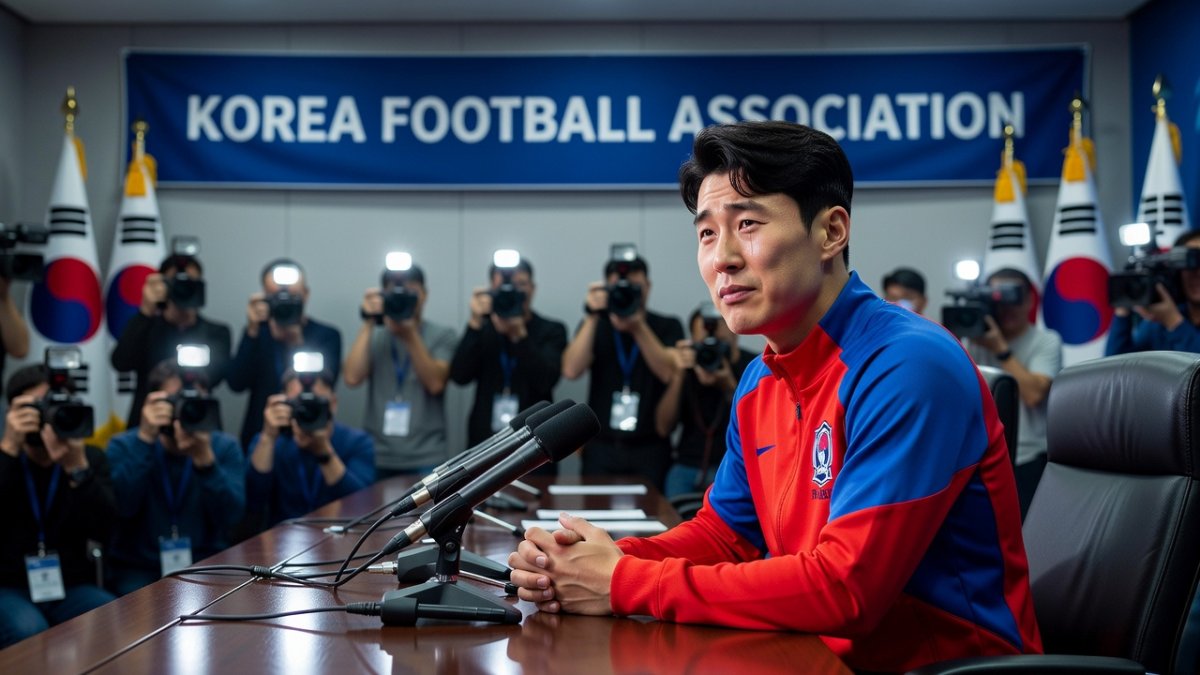
Captain Son Heung-min's emotional public apology to supporters further highlights the social contract perceived to exist between the national team and its audience—one that now encompasses expectations of administrative integrity as well as on-field results.
Implications for Korean Institutional Reform
The World Cup exit has accelerated discussion of how transparency mechanisms can be strengthened across federations that receive public funding or enjoy quasi-public status. The 2024 audit's findings on the Klinsmann-to-Hong transition provide a concrete reference point for potential legislative or regulatory adjustments governing appointment procedures and performance oversight.
Whether these pressures produce durable changes in the Korea Football Association's governance model remains contingent on sustained political will and the willingness of corporate stakeholders to accept reduced influence over selection processes. The episode nevertheless demonstrates how a single sporting failure can catalyze wider examination of institutional practices that have persisted across multiple administrations.
By Prof. David Park, Staff Writer
This article was produced with AI-assisted research and editorial support. Reporting is based on sources cited in the article.
What's Your Reaction?
 Like
0
Like
0
 Dislike
0
Dislike
0
 Love
0
Love
0
 Funny
0
Funny
0
 Wow
0
Wow
0
 Sad
0
Sad
0
 Angry
0
Angry
0
East Asia/Technology Correspondent at Global1.News. Seoul-based voice covering Korean politics, technology, business, and culture. Analyzes how technology and geopolitics intersect across East Asia.











Comments (0)