
Saskatoon's VIDO nears CL4 lab certification for pandemic research
The University of Saskatchewan's Vaccine and Infectious Disease Organization is preparing to become the first Canadian educational institution to operate Containment Level 4 laboratories once federal certification arrives in 2027. The CL4 facilities have now been fully constructed on the Saskatoon campus, marking a significant expansion of the country's high-containment researc
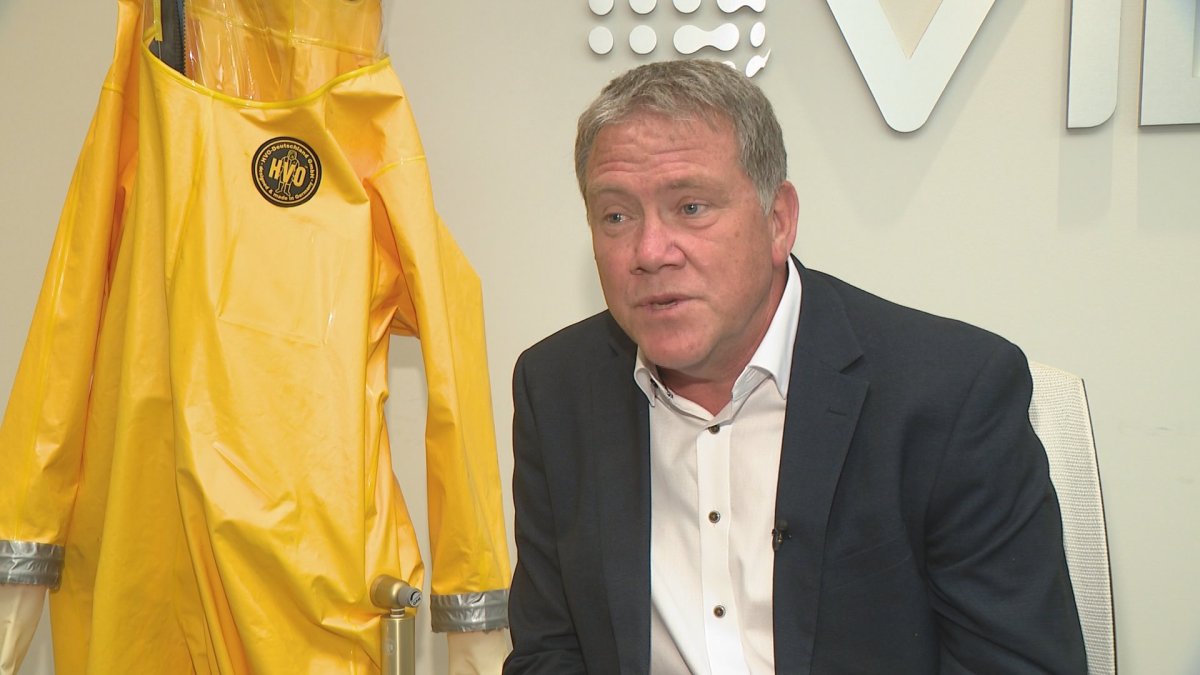
The University of Saskatchewan's Vaccine and Infectious Disease Organization is preparing to become the first Canadian educational institution to operate Containment Level 4 laboratories once federal certification arrives in 2027. The CL4 facilities have now been fully constructed on the Saskatoon campus, marking a significant expansion of the country's high-containment research capacity beyond the single existing federal site in Winnipeg.
Current Landscape of High-Containment Research in Canada
Canada currently maintains only one operational CL4 facility, located at the Canadian Science Centre for Human and Animal Health in Winnipeg and operated by the federal government. This laboratory has long served as the nation's primary site for work on the world's most dangerous pathogens. The addition of a university-based CL4 laboratory would diversify access for academic researchers while maintaining the rigorous federal oversight required for such work.
VIDO's CL3 laboratories continue to operate and are undergoing their routine recertification process, which occurs every ten years under federal guidelines. These existing labs provide the foundation for the organisation's current research programmes and will integrate with the new CL4 spaces once certification is complete.
Construction Milestones and Certification Timeline
Construction of the CL4 laboratories at VIDO is now complete, yet the federal certification process remains ahead. Officials anticipate that certification will be granted in 2027, allowing research on the most hazardous pathogens to begin under strict regulatory conditions. This measured timeline reflects the extensive safety validations required by federal authorities before any CL4 work can commence.
The new animal facility, capable of housing species ranging from mosquitoes to large exotic animals, has also been finished. This infrastructure supports comprehensive studies that combine pathogen research with animal models, an essential component of infectious disease science.
Leadership Vision for National Pandemic Research
CEO Volker Gerdts has positioned VIDO as Canada's emerging centre for pandemic research. The organisation's in-house vaccine manufacturing facility, opened three years ago, already allows end-to-end development from discovery through production. Gerdts notes that the CL4 capability will enable VIDO to study pathogens that currently can only be examined in Winnipeg, broadening the scope of academic contributions to national preparedness.
This development aligns with ongoing federal interest in strengthening Canada's ability to respond to emerging infectious threats. By locating advanced containment capacity within a university setting, VIDO aims to combine research, training, and manufacturing under one institutional umbrella.
Recruitment of Researchers and Students
The prospect of future CL4 access has already influenced graduate student recruitment. PhD student Liam Kerr chose the University of Saskatchewan specifically because of the planned CL4 laboratories. Similarly, Rita Quintela relocated from Spain to Saskatoon to work with the organisation's expanding infrastructure. These moves illustrate how major research investments can attract talent to Canadian centres outside traditional hubs.
Both students are now contributing to projects that will transition into the new CL4 spaces once certification is achieved. Their presence underscores the role of specialised facilities in building long-term research capacity in Saskatchewan.
Implications for Federal-Provincial Collaboration and Public Safety
The establishment of university-hosted CL4 laboratories raises important questions about coordination between federal regulators and provincial institutions. Health Canada and the Public Health Agency of Canada will continue to oversee certification and ongoing compliance, while the University of Saskatchewan manages day-to-day operations. This model could serve as a template for future academic-government partnerships in high-containment research.
From a public safety perspective, expanded CL4 capacity supports Canada's ability to study and develop countermeasures against pathogens that pose risks to both human and animal health. The dual-use nature of such work requires continued emphasis on biosafety training and transparent regulatory processes.
What Happens Next
Federal certification for the CL4 laboratories is expected in 2027, with the University of Saskatchewan working alongside Health Canada and the Public Health Agency of Canada throughout the approval process. Once certified, VIDO will join a select group of institutions worldwide capable of handling the most dangerous known pathogens, positioning Saskatoon as a significant node in the global network of pandemic preparedness research.
The organisation's existing vaccine manufacturing facility, combined with the new CL4 spaces and animal facility, creates an integrated research environment that officials say will help Canada retain and attract top talent in infectious disease science. For researchers like Liam Kerr and Rita Quintela, the infrastructure now taking shape in Saskatoon represents not just a career opportunity, but a chance to contribute to Canada's defences against whatever pathogen emerges next.
Tags: University of Saskatchewan, VIDO, CL4 labs, high containment, pandemic research, federal certification, vaccine manufacturing, Saskatoon
By Alex Thompson, Staff Writer
This article was produced with AI-assisted research and editorial support. Reporting is based on sources cited in the article.
What's Your Reaction?
 Like
0
Like
0
 Dislike
0
Dislike
0
 Love
0
Love
0
 Funny
0
Funny
0
 Wow
0
Wow
0
 Sad
0
Sad
0
 Angry
0
Angry
0

Canada Correspondent at Global1.News. Based in Toronto, covering Canadian politics, energy, trade, and US-Canada relations. Provides the Canadian perspective on North American and global affairs.














Comments (0)