
Have Israel and Iran Avoided Escalation
The brief but intense missile exchange between Israel and Iran on June 7-9, 2026, has prompted analysts to ask a critical question: did both sides deliberately avoid full-scale escalation? The answer, according to former IDF Intelligence Officer Maj. Dan Feferman speaking to Al Arabiya English, appears to be yes — with both Tehran and Jerusalem expressing satisfaction with the
The brief but intense missile exchange between Israel and Iran on June 7-9, 2026, has prompted analysts to ask a critical question: did both sides deliberately avoid full-scale escalation? The answer, according to former IDF Intelligence Officer Maj. Dan Feferman speaking to Al Arabiya English, appears to be yes — with both Tehran and Jerusalem expressing satisfaction with the limited nature of the confrontation. The exchange, which unfolded against the backdrop of the broader 2026 Iran war that began on February 28, tested the fragile April ceasefire without collapsing it entirely, offering critical insights into the strategic calculations driving the Middle East's most consequential rivalry.
Have Israel and Iran Avoided Escalation? Analysts Point to Mutual Restraint in Limited June 2026 Exchange
Beirut, Lebanon – June 9, 2026 — The June 2026 limited missile exchange between Israel and Iran unfolded against the backdrop of entrenched Sunni-Shia competition, great-power maneuvering, and acute energy vulnerabilities across the Middle East. The 2026 Iran war, which erupted on February 28 when the United States and Israel conducted roughly 900 strikes in the first twelve hours against Iranian military and government sites, fundamentally altered regional power balances. Supreme Leader Ali Khamenei was killed in those opening salvos, removing the central figure who had long coordinated Iran's axis of resistance. Gulf states including the UAE, Saudi Arabia, and Kuwait participated in the coalition strikes, underscoring how Sunni Arab governments viewed the moment as an opportunity to degrade Shia Iran's conventional and proxy capabilities. Turkey's Foreign Minister Hakan Fidan immediately signaled Ankara's preference for renewed diplomacy, illustrating the competing pulls of NATO alignment and regional stability concerns. Energy markets reacted violently once Iran closed the Strait of Hormuz, producing the largest oil disruption in modern history and directly threatening Gulf sovereign wealth funds tied to Vision 2030-style diversification programs in Saudi Arabia and the UAE.
The June 2026 Exchange: A Controlled Firefight
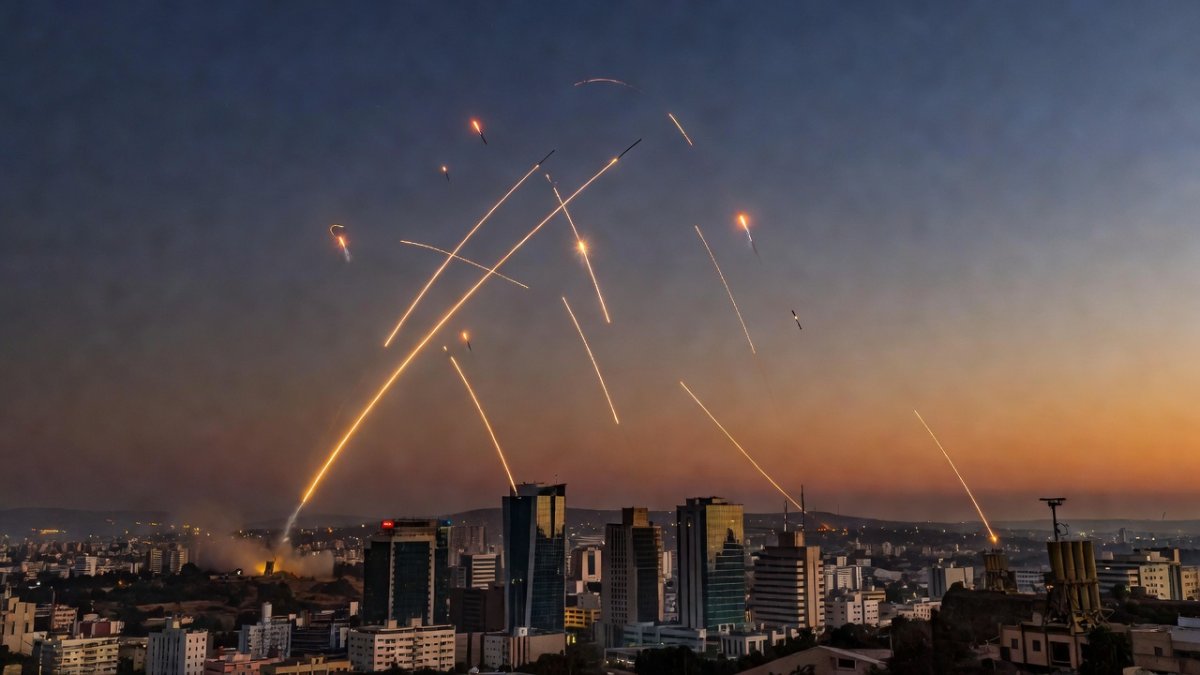
On June 7, Israel conducted precision strikes against Hezbollah targets in southern Beirut, prompting Iran to launch approximately thirty ballistic missiles toward northern Israel on June 7-8. The majority of these missiles were intercepted, with the United States providing critical defensive support through its regional assets. Israel responded with limited strikes on military targets near Tehran rather than broader infrastructure or leadership sites. The entire sequence lasted less than forty-eight hours before external pressure halted further exchanges. Maj. Dan Feferman, speaking in the Al Arabiya English analysis, observed that both Tehran and Jerusalem appeared "very happy" with the restrained character of the exchange, suggesting deliberate calibration on both sides. The episode stood in sharp contrast to the massive February campaign and the subsequent two-month April ceasefire that had briefly frozen major operations.
Strategic Calculus: Tehran's Restraint
Despite the assassination of Supreme Leader Ali Khamenei and the destruction of key military facilities in February, Iranian decision-makers chose not to unleash their full missile and proxy arsenal in June. Tehran's leadership recognized that further escalation risked total regime collapse and the permanent loss of the Strait of Hormuz as a bargaining chip. By firing only thirty missiles and accepting high interception rates, Iran signaled that it retained the capacity to threaten Israel while avoiding the all-out war that would invite renewed American and Israeli strikes. This measured response preserved remaining proxy networks in Iraq and Syria and allowed Iran to claim symbolic retaliation without triggering the second-order effects of a wider regional conflagration that could isolate it further from potential mediators such as Turkey and Oman.
Strategic Calculus: Jerusalem's Measured Response
Israeli planners similarly calibrated their reply to avoid crossing Iranian red lines that might force a larger counter-escalation. After the limited missile barrage, Israel targeted only military installations near Tehran rather than nuclear or oil infrastructure. Prime Minister Netanyahu's decision to place "fire on hold" immediately after a direct call from President Trump reflected Jerusalem's assessment that American diplomatic cover was essential for sustaining the gains achieved in February. Israeli strategists understood that an uncontrolled spiral would endanger the fragile normalization architecture with Arab states and risk drawing Hezbollah deeper into the conflict at a moment when the Lebanese front already remained active. The result was a demonstration of capability without a commitment to decisive victory.
The Collapse and Quick Repair of the April Ceasefire
The April 2026 ceasefire, which had held for roughly two months, collapsed when Israel struck southern Beirut on June 7. Yet the framework proved resilient enough to be restored within days. Both sides retained back-channel communications that allowed rapid de-escalation once the limited exchange concluded. The ceasefire's survival, despite the assassination of Khamenei and the closure of the Strait of Hormuz earlier in the year, indicated that core deterrence understandings between Washington, Jerusalem, and Tehran had not been entirely shattered. External actors, particularly the United States, leveraged these channels to prevent the June flare-up from becoming a new baseline for sustained conflict.
Energy Markets and the Strait of Hormuz
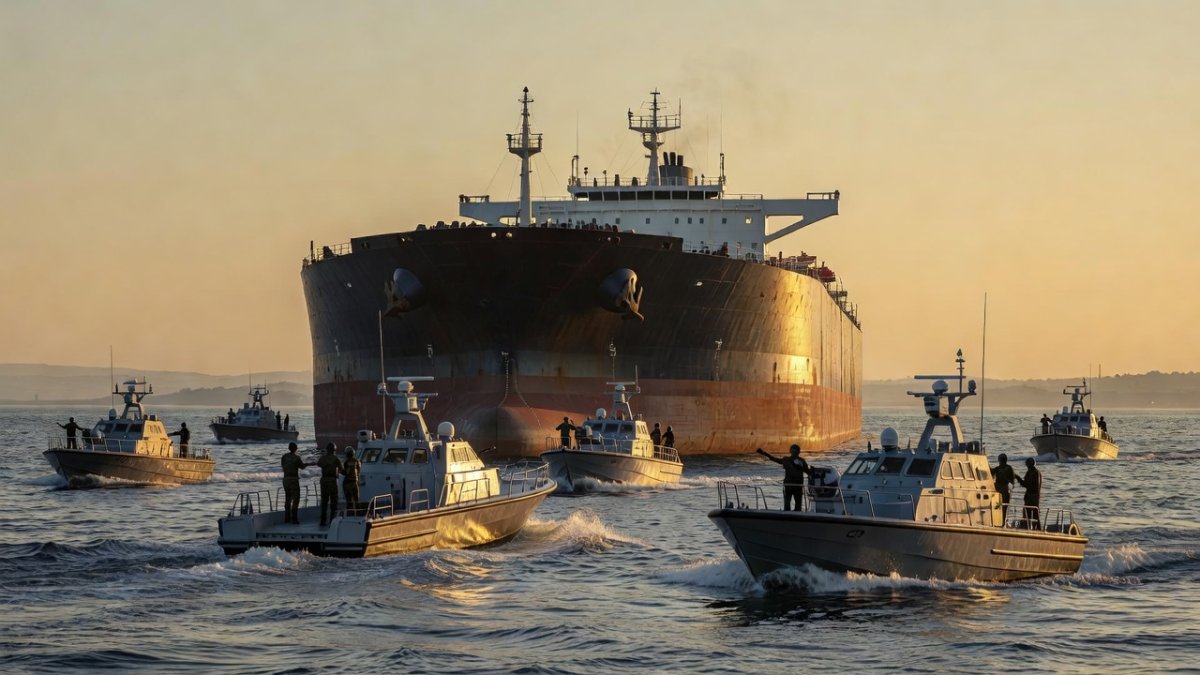
Iran's immediate closure of the Strait of Hormuz after the February strikes created the most severe oil supply shock in decades, sending prices surging and directly affecting Gulf sovereign wealth funds that finance diversification away from hydrocarbons. Saudi Arabia's Vision 2030 and the UAE's parallel programs faced sudden financing pressure as global markets priced in prolonged disruption. Although the June exchange remained limited, the memory of Hormuz's closure reminded Gulf capitals that any future escalation carried existential economic risks. Kuwait and other smaller producers quietly urged restraint, recognizing that their fiscal stability depended on swift restoration of maritime traffic rather than prolonged confrontation with Iran.
The Trump Factor and Peace Deal Prospects
President Trump's public instruction to both sides to "immediately stop shooting" and his subsequent statement that the conflict was in its "final throes" with a possible signing in two to three days proved decisive in halting the June exchange. The American president's direct intervention underscored Washington's continued leverage over Israeli decision-making and its residual ability to shape Iranian calculations through sanctions relief signals. While a comprehensive peace agreement remained distant, the rapid return to ceasefire suggested that a narrow diplomatic window had opened. Turkish Foreign Minister Hakan Fidan's emphasis on continued diplomatic support aligned with this American-led effort, illustrating how regional powers sought to position themselves as facilitators rather than combatants.
Lebanon and Hezbollah: The Unresolved Variable
Even as the Iran-Israel ceasefire took hold, the separate Hezbollah conflict in Lebanon continued unabated. Israel's June 7 strikes in southern Beirut formed part of an ongoing campaign against Hezbollah infrastructure that had not been included in the broader Iranian truce. Hezbollah's leadership, facing its own losses and uncertain Iranian resupply, maintained pressure along the border without triggering a full-scale Israeli ground operation. This parallel war illustrated how proxy dynamics could persist independently of direct state-to-state understandings, creating a persistent risk that future miscalculations in Lebanon could reignite the wider theater.
Regional Implications
The June 2026 episode demonstrated that both Iran and Israel retained incentives to avoid uncontrolled escalation even after the dramatic February campaign and Khamenei's death. Gulf states emerged more committed to economic diversification while simultaneously participating in military coalitions against Iran, revealing the dual-track strategy now dominant in Riyadh and Abu Dhabi. Turkey's diplomatic posture under Hakan Fidan positioned Ankara as a potential bridge, while the United States under Trump retained the role of ultimate arbiter. The limited exchange reinforced the reality that energy security, proxy management, and great-power signaling will continue to shape Middle East dynamics more than any single decisive battle. For now, the region has absorbed another controlled shock without sliding into total war, yet the unresolved fronts in Lebanon and the lingering effects of Hormuz's closure ensure that stability remains provisional.
By Malik Hassan, Staff Writer
This article was produced with AI-assisted research and editorial support. Reporting is based on sources cited in the article.
What's Your Reaction?
 Like
0
Like
0
 Dislike
0
Dislike
0
 Love
0
Love
0
 Funny
0
Funny
0
 Wow
0
Wow
0
 Sad
0
Sad
0
 Angry
0
Angry
0
Middle East Correspondent at Global1.News. Based in Beirut, covering politics, conflict, energy, and society across the Middle East. Brings context and depth to a region often reduced to headlines.













Comments (0)