
Sheinbaum's $10B Hospital Push Delivers 1,474 New Beds
Sheinbaum Administration Reports Steady Gains in Public Hospital Expansion Mexico City, Mexico — Families across Mexico are beginning to see the first fruits of a sweeping public-health investment that aims to bring modern care closer to home. During Tuesday’s mañanera at Palacio Nacional, Deputy Health Minister Eduardo Clark shared concrete progress on the US $10 billion program that is reshaping hospitals and clinics from the border to the southern states.
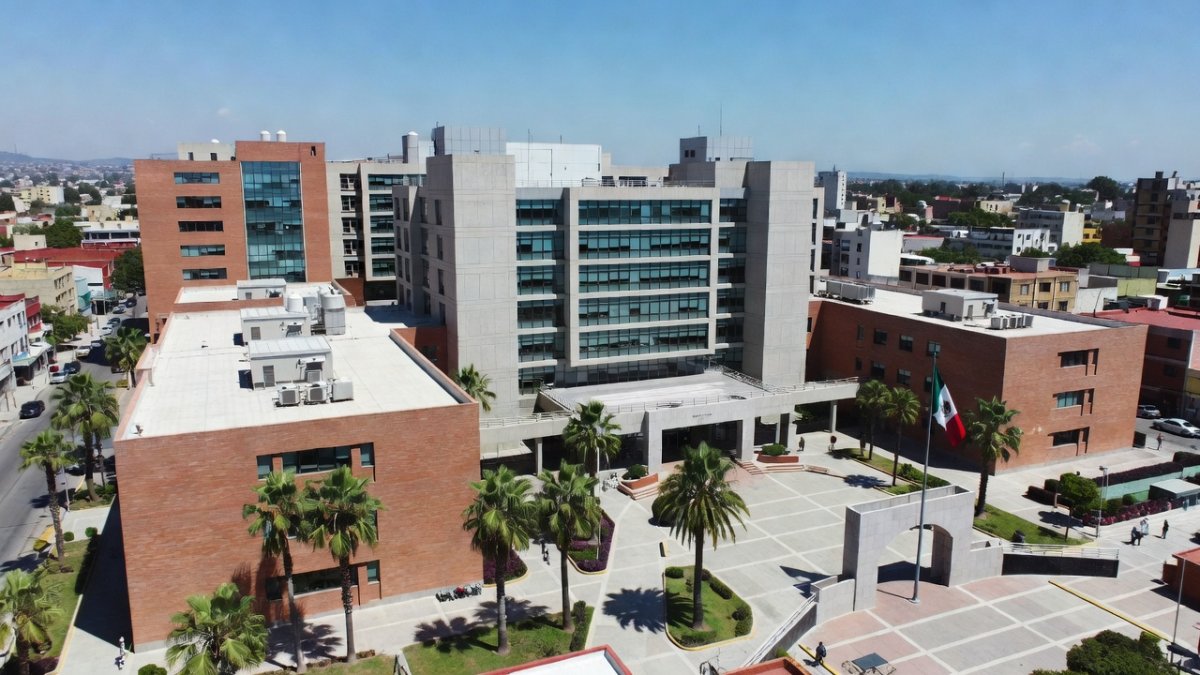
Sheinbaum Administration Reports Steady Gains in Public Hospital Expansion
Mexico City, Mexico — Families across Mexico are beginning to see the first fruits of a sweeping public-health investment that aims to bring modern care closer to home. During Tuesday’s mañanera at Palacio Nacional, Deputy Health Minister Eduardo Clark shared concrete progress on the US $10 billion program that is reshaping hospitals and clinics from the border to the southern states.
Thirty Completed Projects Bring 1,474 New Beds Online
Since the Sheinbaum administration took office in October 2024, thirty public-hospital projects have reached completion. These facilities have added 1,474 beds to the national system, a meaningful step toward the 2030 target of roughly 9,000 new beds announced last May. Each new bed represents a family that no longer must travel hours for surgery or emergency care.
Eduardo Clark, Subsecretario de Integración Sectorial y Coordinación de Servicios de Atención Médica, emphasized that the work continues at a measured pace. Construction teams are focusing on quality and safety rather than speed alone, ensuring that the hospitals will serve communities for decades. The completed sites already include general hospitals and specialized units serving both urban colonias and smaller towns.
Ordinary Mexican families notice the difference when a loved one needs overnight observation instead of being sent home too soon. Mothers in rural areas especially welcome the added capacity, knowing their children can receive treatment without long bus rides that once meant lost wages and extra stress.
US $10 Billion Program Includes High-Tech Equipment and Active Sites
The broader infrastructure effort totals US $10 billion, or 181 billion pesos. Alongside the finished hospitals, the government is procuring 816 pieces of advanced medical equipment and maintains 241 active construction fronts nationwide. These fronts range from new IMSS-Bienestar clinics in indigenous communities to major expansions at existing ISSSTE facilities.
Clark noted that the equipment purchases focus on diagnostic and treatment tools that previously required patients to seek private options. CT scanners, ultrasound machines, and surgical suites are arriving at sites that once operated with outdated technology. The steady rollout helps reduce the historic gap between public and private care.
Workers on these sites often come from the same communities they are building for. Local masons, electricians, and nurses-in-training see their own families benefit when the doors finally open. This connection keeps the projects grounded in the daily realities of Mexican life rather than distant planning documents.
Medication Supply Shows 40 Percent Improvement at IMSS and ISSSTE
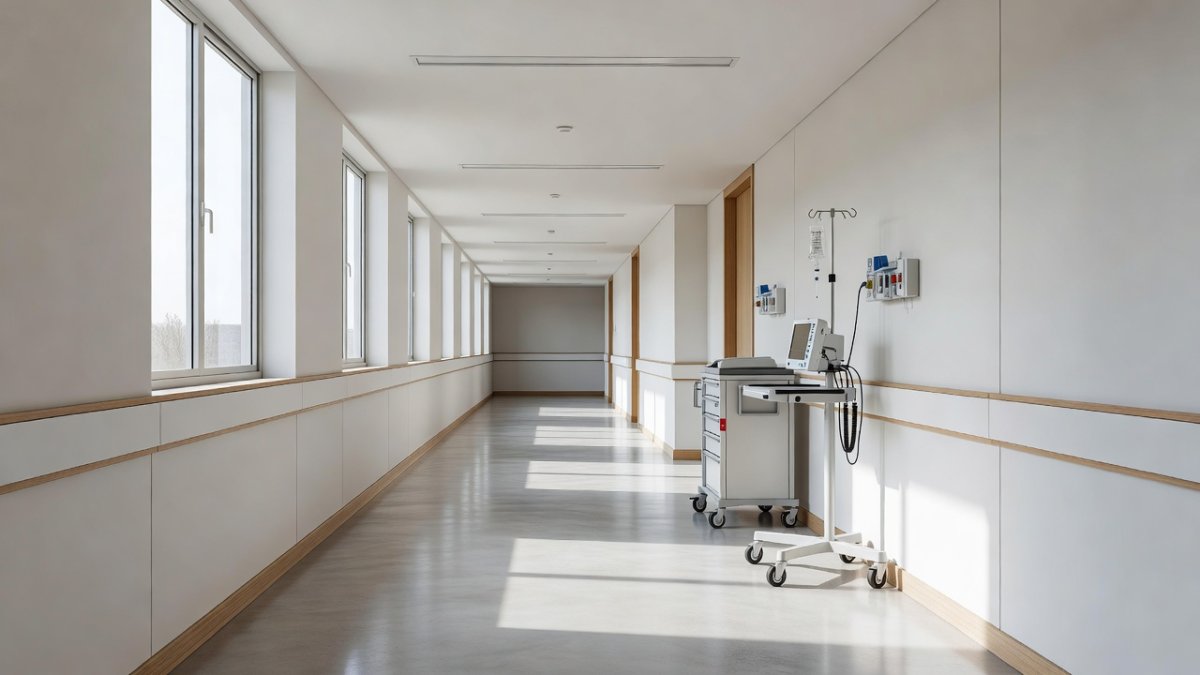
Alongside bricks and mortar, the administration has tackled medicine availability. Clark reported a 40 percent improvement in medication supply and prescription fill rates above 98 percent at both IMSS and ISSSTE pharmacies. For families managing diabetes, hypertension, or childhood asthma, these numbers translate into fewer empty prescriptions and fewer desperate trips between pharmacies.
Many households remember the frustration of arriving at a clinic only to learn the needed drug was unavailable. The current gains mean grandparents can pick up their monthly heart medication without borrowing money from children working in maquiladoras. The improvement also eases pressure on emergency rooms that once absorbed patients whose conditions worsened from missed doses.
Community health promoters in rural areas have played a quiet but vital role in these gains. They help patients understand new stock systems and remind them when refills are due, turning the national numbers into real relief for people living far from big cities.
IMSS-Bienestar Expands Reach in Rural and Underserved Areas
A key part of the hospital expansion targets IMSS-Bienestar facilities that serve rural and indigenous populations. These clinics and small hospitals are designed to bring primary and secondary care closer to campesinos and migrant workers who previously relied on distant state capitals or private providers.
Clark highlighted that many of the 241 active construction fronts are located precisely in these underserved zones. New beds and equipment there mean fewer families must choose between paying for a bus to the city or going without treatment. The approach reflects the Sheinbaum administration’s commitment to leaving no region behind.
Stories from Oaxaca and Chiapas already show how a single new clinic changes daily life. A mother who once lost an entire day traveling for a prenatal checkup can now walk to the local IMSS-Bienestar site, return home, and still prepare the family meal. Such small shifts accumulate into stronger communities and healthier futures.
Long-Term Vision Aims to Reduce Reliance on Private Care
The ultimate goal remains strengthening Mexico’s public system so families no longer feel forced into costly private options. By 2030, the addition of nearly 9,000 beds, modern equipment, and reliable medicines is expected to shift the balance toward accessible, dignified public care for all.
Clark stressed that results will continue to be reported transparently at future mañaneras. The administration understands that trust grows when people see steady, measurable progress rather than promises alone. Families in every colonia and ejido are watching, and they deserve nothing less.
As the sun rises over Palacio Nacional each Tuesday, the conversation returns to these concrete advances. For millions of Mexican households, the numbers shared by Eduardo Clark are not abstract statistics but the difference between worry and relief when illness strikes close to home.
Tags: Sheinbaum administration, Eduardo Clark, IMSS, ISSSTE, IMSS-Bienestar, public hospitals, medication supply, rural healthcare, Palacio Nacional, mañanera
By Rosa Martinez, Staff Writer
This article was produced with AI-assisted research and editorial support. Reporting is based on sources cited in the article.
What's Your Reaction?
 Like
0
Like
0
 Dislike
0
Dislike
0
 Love
0
Love
0
 Funny
0
Funny
0
 Wow
0
Wow
0
 Sad
0
Sad
0
 Angry
0
Angry
0
Latin America/Andes Correspondent at Global1.News. Based in Bogota, covering politics, environment, energy, and social movements across the Andean region. Passionate about environmental journalism and communities protecting their land.














Comments (0)