
JR East Announces Transition to QR Code Tickets
JR East Announces Transition to QR Code Tickets JR East has confirmed plans to replace conventional magnetic paper tickets with QR code tickets beginning in 2027. The move targets the nonrecyclable magnetic layer on existing tickets, which currently creates disposal challenges for the operator serving the Greater Tokyo area and eastern Japan. The announcement aligns with ongoin
JR East Announces Transition to QR Code Tickets
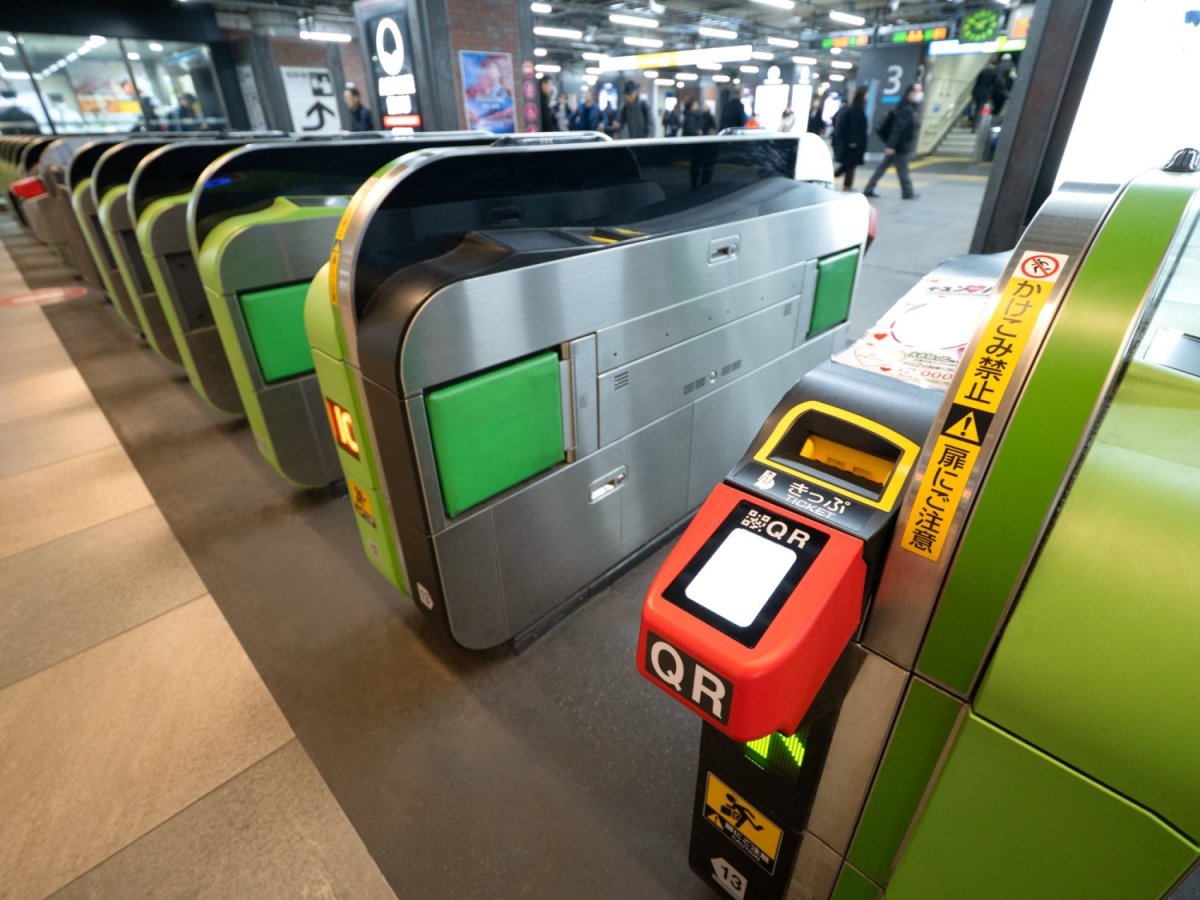
JR East has confirmed plans to replace conventional magnetic paper tickets with QR code tickets beginning in 2027. The move targets the nonrecyclable magnetic layer on existing tickets, which currently creates disposal challenges for the operator serving the Greater Tokyo area and eastern Japan.
The announcement aligns with ongoing efforts by Japanese railway companies to modernize ticketing infrastructure. Magnetic tickets have supported rail operations for decades, yet their environmental footprint has drawn increasing attention amid national sustainability goals.
Environmental Advantages of the Switch
Removing the magnetic layer will reduce waste that cannot be easily recycled. JR East highlighted this benefit as a primary driver for the change, noting that paper tickets without the magnetic strip can be processed through standard recycling streams.
Japan’s rail sector has long balanced high-volume operations with resource efficiency. This ticket redesign supports broader corporate and governmental objectives around waste reduction in transportation networks.
Connection to Suica and Existing Digital Systems
JR East already operates the Suica contactless smart card system, introduced in 2001. The new QR code tickets will complement rather than replace Suica for many users, offering an additional option for those who prefer paper-based or one-time tickets.
Limited QR code functionality already exists through the Eki-Net online reservation platform. Expanding this approach across more ticket types represents a measured extension of current digital tools rather than a complete overhaul.
Effects on Daily Commuters in Greater Tokyo
Commuters in the Greater Tokyo region rely heavily on JR East services for work and travel. The transition will require adjustments at ticket machines and gates, though the operator is expected to maintain compatibility during the rollout period.
Many passengers already use mobile apps and contactless cards. QR code tickets may appeal to occasional travelers or tourists who do not maintain Suica balances, providing a bridge between traditional paper options and fully digital alternatives.
Industry-Wide Movement Toward Digitization
Other JR Group companies and private rail operators have also examined QR-based solutions. The JR East initiative fits within Japan’s wider movement toward cashless and digital payment systems across public transportation.
Implementation timelines remain subject to technical testing and infrastructure upgrades. The 2027 start date indicates a phased introduction rather than an immediate nationwide change.
Policy Context and Future Outlook
Japanese government ministries have promoted digital transformation in transportation as part of economic and environmental strategies. JR East’s ticket shift contributes to these objectives by modernizing one of the most visible elements of daily rail travel.
Over time, expanded QR code use could streamline operations at stations while supporting data-driven improvements in passenger flow management. The change reflects steady progress in Japan’s rail digitization without disrupting established systems such as Suica.
Tags: JR East, QR code tickets, magnetic tickets, Suica, rail technology, Japan environment, Tokyo transport, Eki-Net, digital payments
By Kenji Tanaka, Staff Writer
This article was produced with AI-assisted research and editorial support. Reporting is based on sources cited in the article.
What's Your Reaction?
 Like
0
Like
0
 Dislike
0
Dislike
0
 Love
0
Love
0
 Funny
0
Funny
0
 Wow
0
Wow
0
 Sad
0
Sad
0
 Angry
0
Angry
0

Japan Correspondent at Global1.News. Tokyo-based voice covering Japanese politics, technology, economy, and culture. Tracks the intersection of tradition and innovation in one of the world's most dynamic societies.















Comments (0)