
Shock and anger after top Ghanaian politician sentenced to 20 years for illegal mining
In the heart of West Africa, where rivers once sang to our ancestors and gold still glimmers with both promise and peril, a single courtroom verdict in Accra has sent ripples across the region. As families watch their lands scarred and waters poisoned by galamsey, this moment forces us to confront how power, profit, and the sacred duty to protect our shared inheritance must finally meet. Ghana Sentencing: Exposing the Cost of Galamsey Accra, Ghana — Article continues...
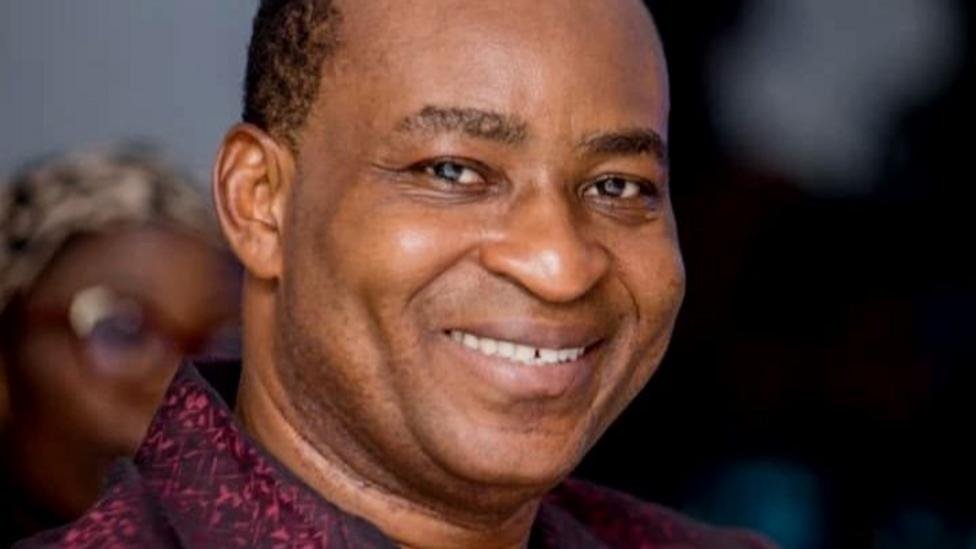
Ghana Sentencing: Exposing the Cost of Galamsey
Accra, Ghana — Article continues...
The Verdict That Echoed Through Accra
In the halls of the Accra High Court, Justice Audrey Kocuvie-Tay delivered a sentence that has stirred deep conversations across Ghana and beyond. Bernard Antwi Boasiako, widely known as Chairman Wontumi and the Ashanti Regional Chairman of the New Patriotic Party, received 20 years in prison with hard labour along with a fine of GHS120,000. His company, Akonta Mining, was ordered to pay GHS180,000 after being found guilty on six counts tied to illegal mining activities at the Samreboi concession in the Western Region.
What the Court Established
The prosecution presented evidence from a police operation on April 16, 2025, during which officers seized five single-barrel guns, water-pumping machines, 24 serviceable excavators, four unserviceable excavators, and GHS157,000 in cash. All items were ordered confiscated to the State. Justice Kocuvie-Tay described Wontumi as a de facto mineral rights holder who carried a duty to supervise activities on the concession, even though he maintained he never visited the site personally. The court noted that he had engaged Henry Okoom for reclamation work without any written agreement or funds provided for the task. Four witnesses testified for each side during the trial.
Political Reactions and Appeals
The New Patriotic Party has rejected the conviction outright, labelling it a travesty of justice and announcing plans to appeal to the Court of Appeal. The Minority Caucus in Parliament has voiced support for that appeal, describing Wontumi as a political prisoner. Meanwhile, environmental groups such as the Ghana Coalition Against Galamsey have welcomed the ruling as a landmark step in holding powerful figures accountable for facilitating unlicensed mining. President Mahama had already highlighted the dangers of illegal mining in his recent State of the Nation address, underscoring the issue's place on the national agenda.
Land, Rivers and Daily Life in the Western Region
Galamsey has long scarred the landscapes of Ghana's Western Region, where communities once relied on clean rivers for drinking water, fishing and farming. Mercury and cyanide from unregulated operations have poisoned farmlands and destroyed forest cover, leaving families to cope with reduced harvests and health concerns. In many villages, elders speak of the land as a living inheritance passed from ancestors, a view shared across much of West Africa where gold mining forms a vital part of both national economies and household livelihoods. Ghana remains Africa's leading gold producer, yet the environmental cost continues to weigh heavily on ordinary citizens who depend on these resources for survival.
In the Western Region, the rivers that once sustained entire communities now carry the heavy burden of galamsey operations, with pollution levels so severe that a BBC report highlighted water thick enough for an artist to use as paint. Mercury and cyanide from these sites have turned clear streams into murky hazards, stripping villages of reliable drinking sources and forcing families to travel farther for water or rely on costly alternatives. Miners and nearby residents face mounting health challenges, including neurological damage from mercury exposure that affects children and elders alike, while vast tracts of forest have been cleared, accelerating soil erosion and reducing biodiversity across thousands of hectares.
Land here holds deep cultural meaning in West African societies, viewed not merely as property but as a living inheritance tied to ancestors and future generations. When farmlands are destroyed and rivers poisoned, it disrupts this sacred connection, leaving communities with a profound sense of loss that extends beyond economics into spiritual and social realms. The scale of deforestation compounds these wounds, as once-lush areas vital for farming and rituals become barren, underscoring how environmental harm ripples through daily life and collective identity.
Broader Lessons for West Africa
Across the region, from Senegal's mining zones to operations in Mali and Burkina Faso, governments have struggled to balance economic gains from gold with the protection of water sources and agricultural land. Past efforts in Ghana, including military deployments against galamsey, produced limited results. This case marks the first time a high-profile political figure has faced such accountability for facilitating illegal activities, raising questions about oversight and responsibility that resonate in capitals from Dakar to Abuja. Co-director Kwame Antwi remains at large, adding another layer to the ongoing legal process.
Broader lessons emerge as Senegal watches Ghana's verdict closely, particularly in the Kedougou region where artisanal gold rushes have mirrored Ghana's struggles with informal mining and weak oversight. There, government efforts to regulate small-scale operations have met mixed results, with mercury contamination in the Faleme River echoing the same health and ecological threats seen across the border. Mali faces parallel challenges in its artisanal sectors, where poverty drives young miners into hazardous work amid limited state presence, highlighting how ECOWAS nations grapple with balancing resource wealth against governance gaps.
Other West African countries view Ghana's legal precedent as a potential model for stronger accountability, yet they also recognize the shared need for regional cooperation on issues like cross-border pollution and fair labor standards. This interconnected struggle calls for collaborative policies that honor local realities while protecting the land that sustains us all.
Community Voices and the Path Forward
Defence arguments during mitigation highlighted Wontumi's status as a first-time offender and the employment his businesses provide to young people. Friends of the court echoed these points. Yet environmental advocates argue that true progress requires consistent enforcement that protects both livelihoods and the natural heritage future generations will inherit. In markets from Kumasi to Tamale, conversations now turn to whether this verdict signals a shift toward stronger governance that values the long-term health of the land over short-term gains. As appeals move ahead, many across West Africa will watch closely, hoping for outcomes that honour both justice and the shared responsibility to safeguard our common environment.
Environmentalists and civil society groups emphasize that Ghana must move beyond this verdict toward sustained action, including stricter licensing, continuous river monitoring, and active rehabilitation of scarred landscapes to restore what has been lost. Traditional chiefs, as custodians of communal lands, play a vital role in these efforts by mediating between miners and authorities, drawing on customary authority to enforce responsible practices that align with community values.
The ruling carries weight for the 2028 elections, signaling to voters that environmental protection can coexist with development, though the economic pull of galamsey remains strong as many young people depend on it for daily survival amid limited formal jobs. Finding paths forward means addressing this tension with empathy, creating alternatives that honor both the need for livelihoods and the imperative to safeguard rivers and forests for generations ahead.
By Amara Diop, Staff WriterThis article was produced with AI-assisted research and editorial support. Reporting is based on sources cited in the article.
What's Your Reaction?
 Like
0
Like
0
 Dislike
0
Dislike
0
 Love
0
Love
0
 Funny
0
Funny
0
 Wow
0
Wow
0
 Sad
0
Sad
0
 Angry
0
Angry
0

West Africa/Sahel Correspondent at Global1.News. Dakar-based journalist covering politics, security, climate, and development across Francophone and Anglophone West Africa. Tells the stories of a region undergoing profound transformation.










Comments (0)