
Saint-Louis Jazz Festival 2026: Senegal's 34th Edition
The historic Senegalese city of Saint-Louis transformed into a global jazz capital this month as the 34th edition of the Festival International de Jazz de Saint-Louis brought together musicians, diplomats, and thousands of festivalgoers for five days of extraordinary music and cultural celebration. Saint-Louis Jazz Festival 2026: A Celebration of African Rhythms and Global Harm
The historic Senegalese city of Saint-Louis transformed into a global jazz capital this month as the 34th edition of the Festival International de Jazz de Saint-Louis brought together musicians, diplomats, and thousands of festivalgoers for five days of extraordinary music and cultural celebration.
Saint-Louis Jazz Festival 2026: A Celebration of African Rhythms and Global Harmony in Senegal's Historic City
Dakar, Senegal —
The 34th Edition: A Milestone for African Jazz
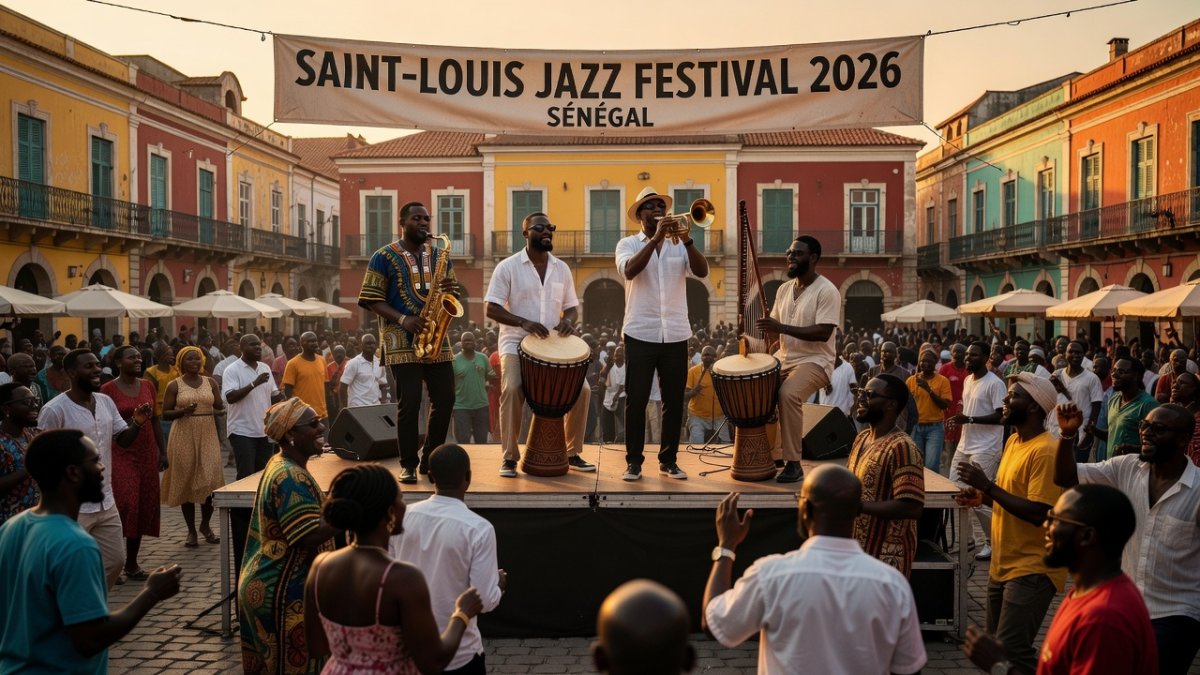
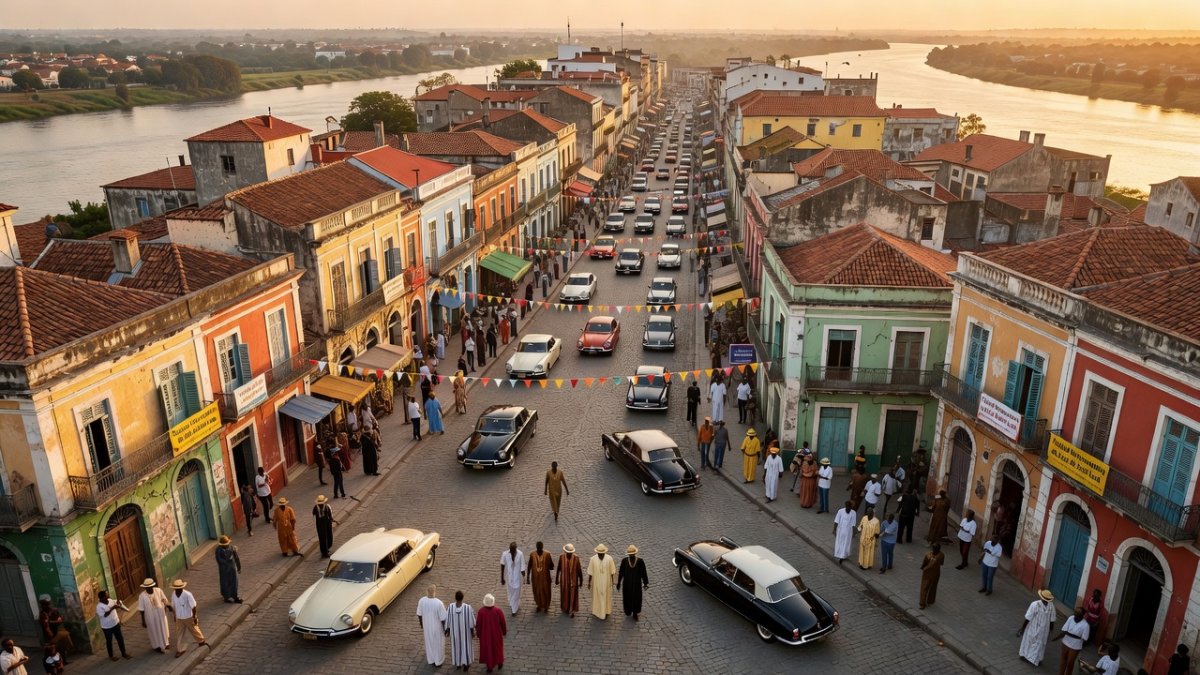
The 34th edition took place May 13-17, 2026 in Saint-Louis, also called Ndar, a UNESCO World Heritage city located on an island in the Senegal River. This five-day format blended international jazz with local Senegalese flavors through street animations, apéro sessions, and the Takussanu Ndar carnival featuring music, dance, and street entertainment. The vintage car parade organized with Club Auto Retro Senegal (CARS) added a nostalgic touch as classic vehicles rolled through the colonial streets.
Saint-Louis drew comparisons to a vibrant mix of Venice and New Orleans because of its colonial architecture and island location on the Senegal River. Free OFF events made the festival accessible to a broader public beyond ticketed venues. Thousands of visitors filled the historic squares and riverfront spaces each evening.
The festival stands as one of Africa's premier jazz events after spanning over three decades of cultural tradition. Local residents prepared for high demand on housing and food, especially the signature Thiébou Ndar dish served in neighborhood restaurants. The event reinforced Saint-Louis as a destination where history and rhythm meet.
Performances spilled from formal stages into open-air courtyards and along the riverbanks. The city's narrow lanes echoed with brass and percussion late into the night. This edition continued the tradition of turning the entire UNESCO site into one continuous stage.
Organizers highlighted how the five-day structure allows both daytime workshops and evening concerts to coexist. The vintage car parade with Club Auto Retro Senegal (CARS) became a highlight for families and photographers alike. Every corner of Ndar reflected the festival's energy.
Artistic Direction and African Identity
Artistic Director Mame Birame Seck, also known as Birahim Seck, emphasized the festival's commitment to traditional African instruments throughout the programming. The deliberate focus gave a strong local flavor while welcoming artists from Ethiopia, the United States, and Europe. This approach ensures the event remains rooted in Senegalese soil even as it opens to global sounds.
Festivals like this play a vital role in preserving and evolving African musical traditions across generations. Mame Birame Seck worked to feature instruments such as the kora and sabar alongside jazz ensembles. The result created conversations between ancient rhythms and modern improvisation.
The programming deliberately balanced international guests with local Senegalese talent. Traditional African instruments received prominent placement on main stages and in smaller courtyard sessions. This balance strengthens cultural identity while inviting cross-continental exchange.
By centering African instruments, the festival counters the notion that jazz belongs only to certain regions. Mame Birame Seck's vision connects the music directly to Senegal's heritage. Audiences experienced how these instruments expand jazz's expressive range.
The artistic direction also supported emerging musicians through mentorship sessions. Local instrument makers displayed their crafts near performance areas. This integration of craft and performance deepened the festival's connection to Senegalese communities.
Stars of the 2026 Lineup
Abate Barihun & Addis Ken Project from Ethiopia delivered a masterful closing concert that blended modern jazz with Ethiopian musical traditions. Corey Henry & the Treme Funktet from New Orleans brought authentic jazz and funk roots to the main stage. The U.S. Embassy in Senegal participated through Chargée d'Affaires Jennifer Davis Paguada, who attended and met with performers.
Other performers included the Leïla Olovesi Quintet, Avalanche Quartet, and Greg Lamy Trio. These European ensembles shared bills with African artists, creating rich nightly programs. The mix of international guests, African artists, and local Senegalese talent defined the 2026 edition.
Chargée d'Affaires Jennifer Davis Paguada's presence underscored diplomatic support for cultural exchange. She visited backstage areas and spoke with both Ethiopian and New Orleans musicians. Her participation highlighted the festival's role in strengthening Senegal-U.S. ties.
Abate Barihun's closing set drew one of the largest crowds of the week. Corey Henry & the Treme Funktet performed in the historic central square, where brass lines echoed off colonial buildings. Local Senegalese musicians joined several sets for impromptu collaborations.
The programming showcased how different jazz traditions speak to one another. Ethiopian scales met New Orleans second-line rhythms within the same evening. This deliberate diversity reflected Mame Birame Seck's vision for the festival.
Senegal's Enduring Jazz Legacy
Senegal's rich musical heritage connects deeply to jazz through artists such as Youssou N'Dour and Baaba Maal, pillars of Senegalese music whose work incorporates global influences. The Saint-Louis Jazz Festival has grown from a small gathering into one of Africa's premier cultural events over 34 years. Jazz found a permanent home in Senegal through this annual tradition.
Previous editions featured artists like Alune Wade, the Senegalese bassist who performed at the 33rd edition in 2025. The festival draws comparisons between Saint-Louis and New Orleans, two cities shaped by the African diaspora's musical heritage. Both places turned colonial histories into creative strength.
Youssou N'Dour and Baaba Maal represent the Mbalax tradition that continues to evolve alongside jazz. Their influence appears in the way local musicians approach improvisation during festival week. The 34-year span has allowed multiple generations to claim jazz as part of Senegalese identity.
The festival began modestly and expanded through consistent community support. Today it stands as proof that African cities can sustain world-class cultural institutions. Saint-Louis remains the spiritual home for this ongoing dialogue between continents.
Alune Wade's performance the previous year reminded audiences of Senegal's strong bass tradition within jazz. The current edition built on that foundation with new collaborations. The legacy continues to grow with each passing year.
Cultural Tourism and Economic Impact
The festival's impact on Saint-Louis's economy and tourism sector proved significant as local businesses, hotels, and restaurants benefited from the influx of visitors. Residents noted the strain on local resources and advised visitors to prepare for high demand on housing and food, particularly Thiébou Ndar. Cultural festivals like this drive economic development across Africa by creating seasonal opportunities.
The After Jazz event called Takoussanou Ndar à Dakar took place June 7, 2026 at La Playa in Dakar, extending the festival's reach beyond Saint-Louis. This follow-up gathering allowed musicians and audiences to continue the celebration in the capital. It also introduced the Saint-Louis experience to new listeners.
Hotels in the historic quarter reported full occupancy weeks in advance. Street vendors selling grilled fish and local juices saw steady business throughout the five days. The economic ripple effects reached neighboring villages that supply fresh produce and transport services.
Many visitors combined the jazz festival with visits to nearby wildlife reserves and colonial-era sites. This combination of music and heritage tourism strengthens Saint-Louis's position as a year-round destination. Local guides reported increased bookings during and after the event.
The Takoussanou Ndar à Dakar extension created additional revenue for Dakar-based venues and artists. It also kept the spirit of the festival alive for those unable to travel to Saint-Louis. Such extensions demonstrate how one event can generate multiple economic touchpoints.
What This Means for Africa's Creative Economy
The broader significance of jazz festivals for Africa's cultural renaissance appears clearly in Saint-Louis. The Saint-Louis Jazz Festival serves as a model for cultural tourism across the continent. Events like this preserve traditional music while creating opportunities for contemporary African artists to reach international audiences.
The festival functions as a cultural bridge connecting Senegal to the United States through New Orleans connections, to Ethiopia through featured artists, and to Europe through touring ensembles. These links strengthen Africa's creative economy and expand its global cultural influence. Young musicians gain exposure that leads to further bookings and collaborations.
By highlighting traditional African instruments, the festival ensures that heritage remains central to innovation. This approach supports instrument makers, teachers, and performers who keep these traditions alive. The economic benefits flow directly to these cultural practitioners.
The 34th edition demonstrated how cultural events can attract diplomatic attention and private investment. Chargée d'Affaires Jennifer Davis Paguada's participation signaled continued international interest. Such visibility helps secure funding for future editions and related arts initiatives.
Africa's creative economy grows when festivals create sustainable platforms rather than one-off spectacles. Saint-Louis provides that platform year after year. The result is a stronger, more connected network of African artists and audiences.
What to Watch For
Future editions will build on 34 years of tradition while expanding programming. The DAK'ART Biennale coming in November-December 2026 in Dakar will feature Fally Ipupa as honoree and the DRC as guest of honor, running from November 19 to December 19. This major visual arts event will complement the jazz festival's musical focus.
The 35th edition of the Saint-Louis Jazz Festival is expected in May 2027. Organizers anticipate continued growth in both attendance and artistic scope. The city's colonial architecture and island location will remain central to the experience.
Other upcoming African cultural events include the Dakar Biennale and various music gatherings across the continent. These festivals together form a calendar that keeps African creative communities engaged year-round. Saint-Louis occupies a special place within that calendar.
The continued growth of Saint-Louis as a cultural tourism destination depends on careful management of resources. Local authorities and festival organizers are working together to balance visitor numbers with community needs. Sustainable practices will determine the festival's long-term success.
Young Senegalese musicians who performed in OFF events this year will likely return as featured artists in coming editions. The pipeline from street stages to main stages remains strong. This cycle ensures the festival stays vibrant and rooted in local talent.
By Amara Diop, Staff Writer
This article was produced with AI-assisted research and editorial support. Reporting is based on sources cited in the article.
What's Your Reaction?
 Like
0
Like
0
 Dislike
0
Dislike
0
 Love
0
Love
0
 Funny
0
Funny
0
 Wow
0
Wow
0
 Sad
0
Sad
0
 Angry
0
Angry
0
West Africa/Sahel Correspondent at Global1.News. Dakar-based journalist covering politics, security, climate, and development across Francophone and Anglophone West Africa. Tells the stories of a region undergoing profound transformation.










Comments (0)