
India Validates Indigenous HPV Test for Cervical Screen
India Validates First Indigenous HPV DNA Test for Cervical Cancer Screening India has officially validated Truenat HR-HPV-Plus, the country’s first fully indigenous HPV DNA test designed for cervical cancer screening. The validation was completed through a collaborative effort involving AIIMS, the Indian Council of Medical Research, and the WHO’s International Agency for Resear
India Validates First Indigenous HPV DNA Test for Cervical Cancer Screening
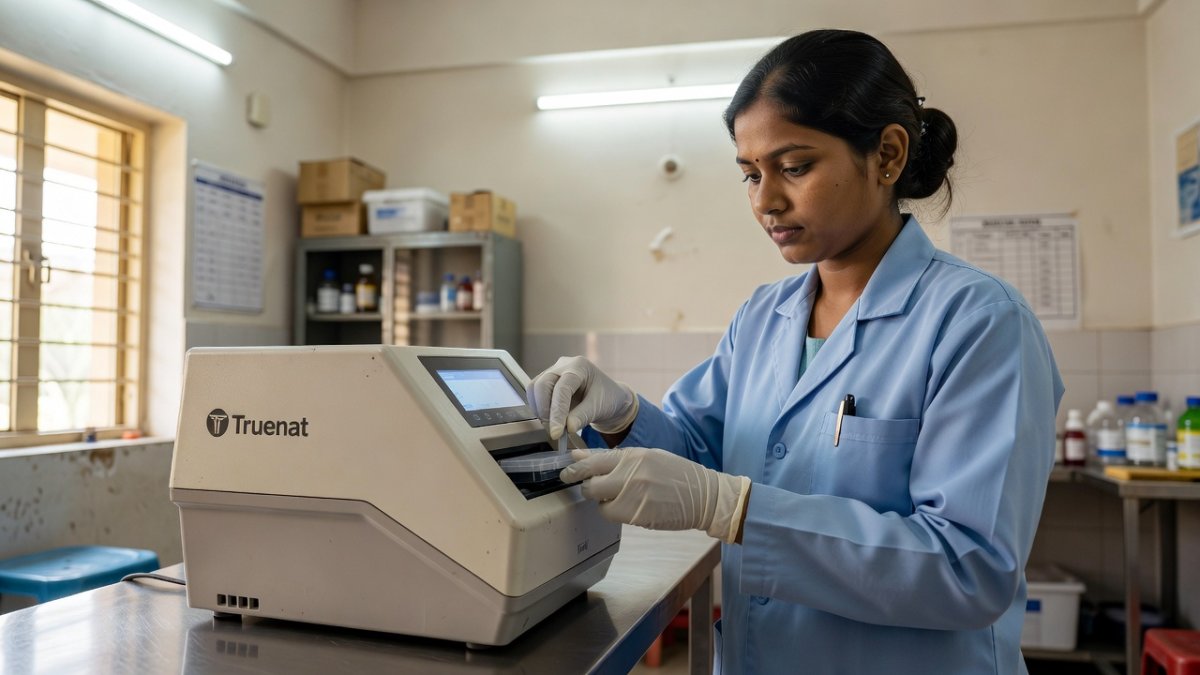
India has officially validated Truenat HR-HPV-Plus, the country’s first fully indigenous HPV DNA test designed for cervical cancer screening. The validation was completed through a collaborative effort involving AIIMS, the Indian Council of Medical Research, and the WHO’s International Agency for Research on Cancer. This development marks a decisive step toward affordable, point-of-care molecular testing that aligns with India’s existing primary healthcare infrastructure.
Technical Specifications and Platform Integration
Truenat HR-HPV-Plus runs on Molbio Diagnostics’ existing Truenat platform, a compact, battery-operated PCR device already deployed across primary health centres in states such as Goa, Maharashtra, and Uttar Pradesh. The same machines currently process samples for tuberculosis, dengue, and COVID-19. Because the hardware is already in place, the marginal cost of adding HPV screening remains low. The test meets international performance benchmarks set by IARC for high-risk HPV detection, eliminating the need for cold-chain logistics that imported assays often require.
Scale of Cervical Cancer Burden in India
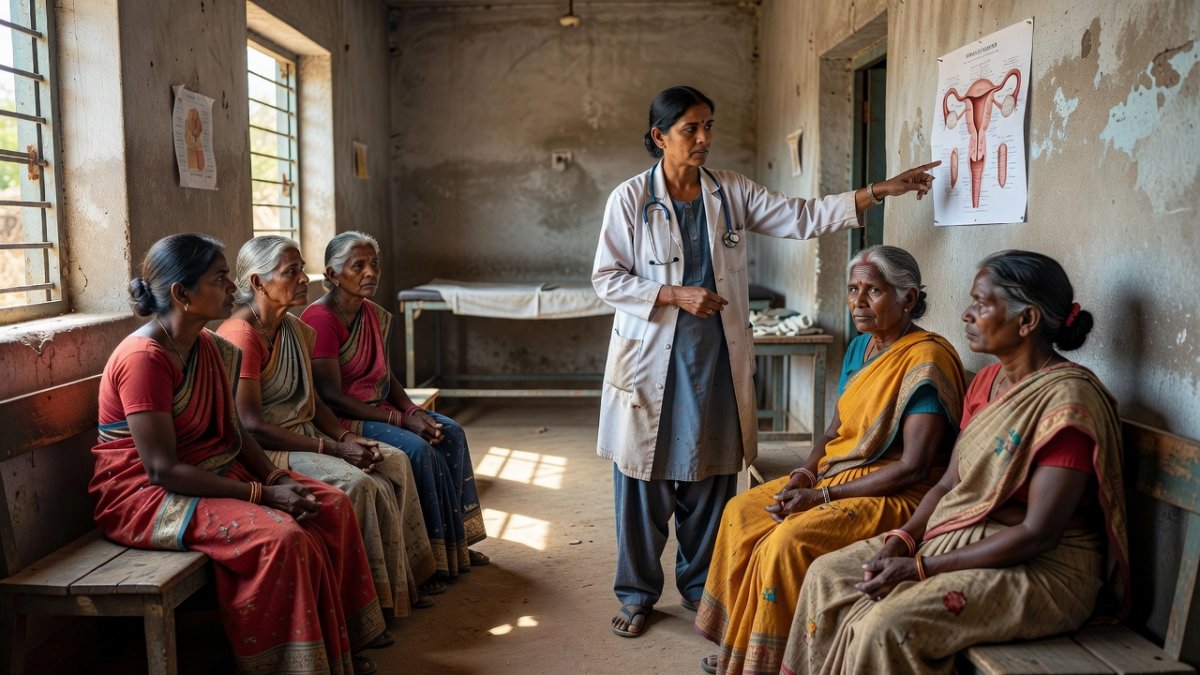
India records approximately 127,000 new cervical cancer cases each year and between 74,000 and 77,000 deaths. The country accounts for 27 percent of global cervical cancer cases while representing only 17 percent of the world’s female population. Cervical cancer remains the second most common malignancy among Indian women after breast cancer. These figures translate directly into lost productivity and increased out-of-pocket expenditure for families in districts with limited radiotherapy facilities.
Cost Barriers of Imported Tests and Vaccines
Until now, imported HPV tests carried prices that placed them beyond the reach of most district-level facilities. The same economic barrier applies to vaccines: imported quadrivalent and nonavalent HPV vaccines cost upwards of ₹4,000 per dose. In contrast, Serum Institute of India’s indigenous CERVAVAC is priced between ₹200 and ₹400 per dose. The combination of an affordable indigenous test and vaccine creates the first realistic pathway for population-level screening and immunisation within the National Health Mission budget.
Policy Alignment with WHO Recommendations
WHO guidelines recommend two rounds of HPV screening at ages 35 and 45. India’s validation of Truenat HR-HPV-Plus directly supports this schedule by enabling testing at primary health centres rather than requiring referral to tertiary laboratories. The government is simultaneously preparing to include HPV vaccination in the Universal Immunisation Programme, a move that would cover an estimated 74 million girls aged 9–14 over the next decade. This dual strategy of vaccination plus screening addresses both incidence reduction and early detection.
Implications for Rural Healthcare Access and Taxpayer Value
Deployment of Truenat HR-HPV-Plus on existing machines means that states such as Bihar, Odisha, and Rajasthan can expand cervical cancer services without new capital expenditure on equipment. For Indian taxpayers, the shift from imported reagents to domestically manufactured cartridges improves foreign-exchange savings and strengthens the domestic biotechnology sector centred in Goa and Pune. Patients in remote blocks will no longer need to travel 100–200 kilometres for a test result, reducing both direct costs and wage loss for daily-wage households.
Next Steps for National Rollout
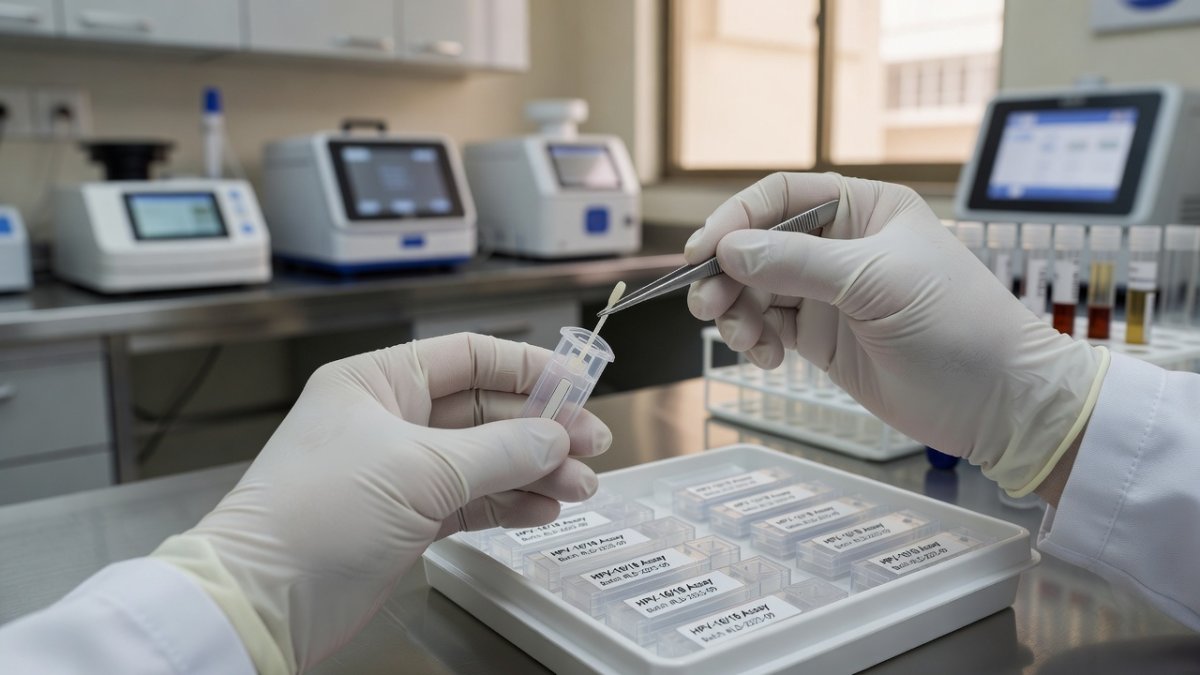
Following validation, ICMR and the Ministry of Health are expected to issue operational guidelines for integrating Truenat HR-HPV-Plus into the National Programme for Prevention and Control of Cancer. Training modules for auxiliary nurse midwives and lab technicians already familiar with Truenat TB testing will require only incremental updates. Pilot districts in Goa and selected blocks of Maharashtra are likely to begin routine screening within the current financial year, providing data for scale-up across the remaining states.
— By Dr. Raj Patel, Staff WriterThis article was produced with AI-assisted research and editorial support. Reporting is based on sources cited in the article.
What's Your Reaction?
 Like
0
Like
0
 Dislike
0
Dislike
0
 Love
0
Love
0
 Funny
0
Funny
0
 Wow
0
Wow
0
 Sad
0
Sad
0
 Angry
0
Angry
0

Caribbean Correspondent at Global1.News. Based in Port of Spain, Trinidad, covering Caribbean politics, economy, energy, climate, and culture. Amplifying the voices and stories of the Caribbean region.















Comments (0)