
Russia Confiscates $7.6B in Massive Asset Seizure
The Record-Breaking Seizure of 550 Billion Rubles Russian authorities have confiscated assets worth 550 billion rubles which equals 7.59 billion dollars linked to jailed billionaire Vadim Moshkovich and transferred them to state ownership the Interior Ministry said Thursday in what appears to be the largest asset seizure of Russia's recent wave of nationalizations according to
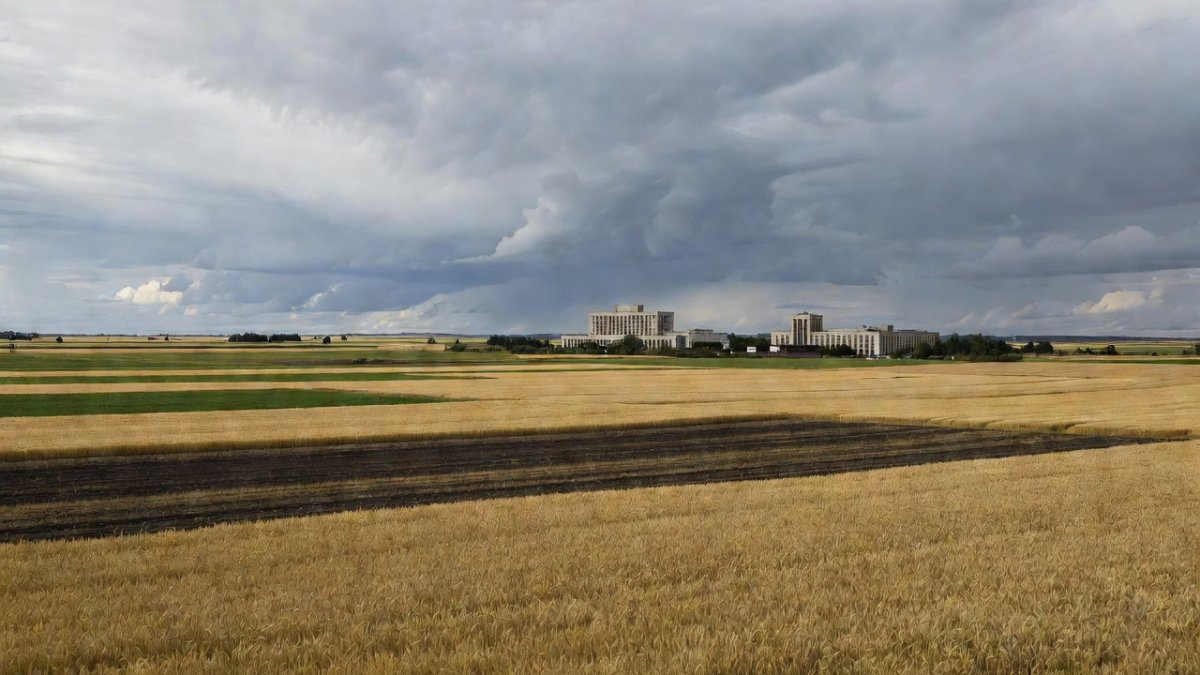
The Record-Breaking Seizure of 550 Billion Rubles
Russian authorities have confiscated assets worth 550 billion rubles which equals 7.59 billion dollars linked to jailed billionaire Vadim Moshkovich and transferred them to state ownership the Interior Ministry said Thursday in what appears to be the largest asset seizure of Russia's recent wave of nationalizations according to the official statement released on that day. This announcement marks a significant escalation in the process where private holdings are moved directly into government hands through formal legal channels that ensure the assets generate revenue for the state rather than remaining under individual control. The transfer mechanism involves court orders and ministry actions that convert seized properties into state revenue meaning the government now holds full ownership rights and can utilize or manage these resources as part of national assets without any prior private claims attached.
The scale of this particular seizure stands out because it surpasses previous efforts in the ongoing nationalization drive that has reshaped ownership structures across multiple sectors since the full scale invasion of Ukraine began. By moving 550 billion rubles equivalent to 7.59 billion dollars into state revenue the Interior Ministry has demonstrated the capacity to handle complex cases involving high value agricultural and business holdings that were once controlled by prominent figures. In practice this transfer to state revenue allows the government to integrate these assets into broader economic planning ensuring they contribute directly to federal budgets and operations rather than circulating in private markets.
Details from the Interior Ministry emphasize that the investigation into the linked individual has reached completion with all property seized now formally transferred to state revenue which solidifies the outcome of the legal proceedings. This process underscores how such seizures operate as a systematic tool for reallocating wealth from private entities to public control highlighting the efficiency with which authorities can execute large scale transfers in a single case. The 550 billion rubles or 7.59 billion dollars involved represent not just monetary value but also strategic resources that the state can now deploy across various national priorities without external interference.
Vadim Moshkovich: From Forbes 51 to Pre-Trial Detention
Vadim Moshkovich at the age of 58 founded the major agricultural producer Rusagro and was ranked 51st on Forbes Russia's list of the country's wealthiest businessmen before his current legal situation developed. His position as a leading entrepreneur in the agricultural field positioned him among the top figures in Russian business circles where his company grew to dominate key areas of food production and land management. The transition from this prominent ranking to pre trial detention reflects the rapid changes that can occur when investigations target high profile individuals in the current economic climate.
Moshkovich has been held in pre trial detention since March last year which means he has remained in custody for an extended period while authorities completed their examination of the case. This detention status prevents him from managing his business interests directly and allows the legal process to proceed without his active involvement in daily operations. The fact that he remains in pre trial detention underscores the seriousness with which the charges are being treated by the judicial system in Russia.
Former Rusagro Chief Executive Maxim Basov was also arrested in connection with the case adding another layer to the proceedings against the agricultural empire. Basov's involvement as a key executive highlights how the investigation extended beyond the founder to include top management figures who played roles in the company's direction. Together these detentions illustrate the comprehensive approach taken by authorities in addressing the matters surrounding Rusagro and its leadership.
Rusagro: An Agricultural Empire Under State Control
Rusagro stands as one of Russia's largest agricultural companies serving as the country's second largest pork producer and third largest sugar producer while controlling more than 800000 hectares of agricultural land. These operational strengths made it a cornerstone of the national food supply chain with significant influence over meat and sweetener markets across the country. The company's extensive land holdings further amplified its role in sustaining agricultural output on a massive scale.
In May Moscow's Khamovniki District Court ordered the nationalization of Rusagro which directly placed this agricultural powerhouse under state control following the completion of related legal steps. This court decision aligned with the broader asset seizure process that moved the company's resources into government ownership as part of the ongoing nationalization efforts. The order ensured that Rusagro's production capabilities and land assets transitioned fully to state revenue without retaining private ownership structures.
The shift of Rusagro to state control carries implications for how agricultural resources are managed at a national level given its dominant positions in pork sugar and land sectors. With more than 800000 hectares now under government oversight the company can contribute to state directed agricultural policies that prioritize food security and production targets. This nationalization reinforces the pattern of bringing major private enterprises into public hands through judicial mechanisms.
The $89.7 Billion Nationalization Campaign
The seizure underscores the scale of the Kremlin's campaign to bring private assets under state control since the full scale invasion of Ukraine a drive that has already transferred businesses worth an estimated 6.5 trillion rubles or 89.7 billion dollars to government ownership. This cumulative total reflects a sustained effort across multiple industries where private holdings have been systematically reallocated through legal and administrative processes. The campaign has accelerated in pace as authorities identify and act on cases involving substantial economic value.
Since the full scale invasion of Ukraine the nationalization drive has expanded rapidly incorporating assets from various sectors into state portfolios at an increasing rate. The 6.5 trillion rubles or 89.7 billion dollars already transferred demonstrate the breadth of this initiative which continues to evolve with each new case like the one involving 550 billion rubles. This ongoing process highlights a strategic shift toward greater state involvement in key economic areas that were previously dominated by private operators.
Comparisons to Soviet era nationalization reveal similarities in the scope of asset transfers though the current campaign operates within a modern legal framework focused on specific investigations rather than blanket ideological takeovers. The 89.7 billion dollars in transferred value since the Ukraine invasion marks a deliberate policy of consolidating control over strategic resources. This approach has resulted in a steady flow of businesses moving to government ownership at a pace that shows no signs of slowing.
Criminal Charges and Legal Mechanisms
According to the Kommersant business daily Moshkovich faces charges of large scale fraud which carries a maximum of 10 years intentional bankruptcy and money laundering which carry up to 7 years each and bribery which carries up to 15 years. These charges form the legal basis for the investigation that led to the asset seizures and detentions. The combination of these accusations allows authorities to pursue both criminal penalties and financial recoveries through the courts.
The charges enable asset seizure by providing the judicial foundation for confiscating properties linked to the alleged activities and transferring them to state revenue as completed in this case. Large scale fraud intentional bankruptcy money laundering and bribery each contribute to the case by justifying the removal of assets from private hands. This legal mechanism ensures that the 550 billion rubles or 7.59 billion dollars can be moved directly into government control upon conclusion of the investigation.
With the investigation now completed the charges have facilitated the full transfer of seized property to state revenue demonstrating how such accusations streamline the nationalization process. The maximum penalties associated with fraud bankruptcy money laundering and bribery underscore the potential severity of the outcomes for those involved. These legal tools have proven effective in handling high value cases within the broader nationalization campaign.
Seven Prior Nationalizations Outpaced
The value of the assets seized from Moshkovich exceeds that of several other high profile nationalization cases including seafood magnate Oleg Kan's crab empire valued at approximately 4.3 billion dollars. This earlier seizure involved extensive marine resource holdings that were transferred to state ownership through similar investigative processes. The 4.3 billion dollar figure for the crab empire set a notable benchmark that the current 7.59 billion dollar seizure has now surpassed.
Moscow's Domodedovo Airport valued at 320 billion rubles or 4.42 billion dollars represents another prior nationalization that falls below the scale of the Moshkovich assets. The airport's transfer to government control involved key transportation infrastructure that authorities integrated into state revenue following legal proceedings. At 4.42 billion dollars this case highlighted the focus on major transport assets in the nationalization wave.
Gold producer Yuzhuralzoloto from billionaire Konstantin Strukov valued at approximately 2 billion dollars was also nationalized in a case smaller than the current seizure. The gold mining operations were moved to state ownership as part of efforts to consolidate control over resource extraction industries. This 2 billion dollar transfer contributed to the cumulative 89.7 billion dollars in assets brought under government management since the Ukraine invasion.
Yugra Bank owner Alexei Khotin's assets valued at more than 200 billion rubles or 2.76 billion dollars were seized in another instance that the 550 billion ruble action has outpaced. The banking assets transitioned to state revenue through court ordered processes that addressed financial irregularities. At 2.76 billion dollars this case illustrated the targeting of financial institutions within the broader campaign.
Pasta producer Makfa valued at approximately 100 billion rubles or 1.38 billion dollars underwent nationalization in a proceeding that involved food production assets now under state control. The company's transfer contributed to the pattern of bringing agricultural and manufacturing firms into government hands. This 1.38 billion dollar seizure remains smaller than the record breaking action against Moshkovich holdings.
PVC manufacturer Sayanskkhimplast valued at 92 billion rubles or 1.27 billion dollars was nationalized as part of the wave affecting chemical and industrial producers. The assets were transferred to state revenue following investigations that aligned with the overall drive since the Ukraine invasion. At 1.27 billion dollars this case added to the total of 89.7 billion dollars moved to government ownership.
Car dealer Rolf valued at approximately 60 billion rubles or 828 million dollars represents the smallest among the listed prior nationalizations that the Moshkovich seizure has exceeded. The automotive retail assets were integrated into state control through legal mechanisms similar to those used in the current case. This 828 million dollar transfer underscores how even mid sized business holdings have been subject to the nationalization efforts.
Oligarch Reactions: Appeals and Loyalty Payments
Bloomberg reported that some of Moshkovich's associates had appealed to President Vladimir Putin to intervene but the Russian leader declined to do so in this instance. The appeals reflect attempts by business circles to seek protection or reversal of asset seizures through direct channels to the highest levels of power. The decline by Putin indicates a firm stance on allowing the legal processes to conclude without external interruption.
Concerns among some of Russia's wealthiest businessmen about potential prosecution or asset seizures have prompted efforts to demonstrate loyalty to the Kremlin through financial contributions. Billionaire Suleiman Kerimov offered during a closed door meeting with Putin in March to contribute 100 billion rubles or 1.38 billion dollars to the state budget as a show of support. Such gestures highlight the dynamics where private wealth is voluntarily redirected to align with state priorities.
The federal budget subsequently received 220 billion rubles or 3.04 billion dollars in what officials described as gratuitous contributions following Putin's annual meeting with leading business executives. This amount exceeded the initial offer from Kerimov and illustrates the scale of loyalty payments made in response to the prevailing environment. These contributions reveal the power dynamics between the Kremlin and oligarchs where asset security may depend on such demonstrations of allegiance.
What This Means for Ordinary Russians
With more than 800000 hectares of agricultural land now under state controlled ownership through the Rusagro nationalization ordinary Russians may see shifts in how food production resources are allocated and managed at a national level. The integration of these vast land holdings into government hands could influence agricultural output decisions that affect supply chains for essential products. This change places significant farmland under direct state oversight as part of the larger 89.7 billion dollar nationalization campaign.
The impact on food prices pork and sugar markets could arise from the state control over Rusagro which was the second largest pork producer and third largest sugar producer in Russia. As these production areas move to state revenue authorities may adjust operations to meet broader economic goals potentially stabilizing or altering market dynamics for consumers. Ordinary citizens reliant on affordable pork and sugar products will experience the effects of this transition in their daily expenditures.
The broader question of property rights in modern Russia emerges from cases like this where private assets worth 550 billion rubles or 7.59 billion dollars are transferred to state ownership amid the ongoing nationalization drive. This development raises considerations about the security of private holdings in an environment where investigations can lead to large scale reallocations. For ordinary Russians it highlights evolving boundaries between individual enterprise and state authority in the post invasion economic landscape.
By Irina Volkov, Staff WriterThis article was produced with AI-assisted research and editorial support. Reporting is based on sources cited in the article.
What's Your Reaction?
 Like
0
Like
0
 Dislike
0
Dislike
0
 Love
0
Love
0
 Funny
0
Funny
0
 Wow
0
Wow
0
 Sad
0
Sad
0
 Angry
0
Angry
0
Russia/Eastern Europe Correspondent at Global1.News. Covering Russian politics, energy, security, and the shifting dynamics of the post-Soviet space. Provides clear-eyed analysis on one of the world's most opaque regions.











Comments (0)