
Church of England Synod Hears Palestinian Christian Voices
In a recent Middle East Eye report, the Church of England's historic vote to "hear" Palestinian Christian testimonies from Kairos Palestine took center stage. The coverage captured the tense atmosphere in York as delegates weighed an amended motion amid vocal opposition from pro-Israel groups, reflecting broader calls for solidarity with communities facing existential pressures across the region.
In a recent Middle East Eye report, the Church of England's historic vote to "hear" Palestinian Christian testimonies from Kairos Palestine took center stage. The coverage captured the tense atmosphere in York as delegates weighed an amended motion amid vocal opposition from pro-Israel groups, reflecting broader calls for solidarity with communities facing existential pressures across the region.
Church of England Synod Hears Palestinian Christian Voices
London, UK – July 22, 2026 — The General Synod of the Church of England voted on July 13-14, 2026, in York to hear testimonies from Kairos Palestine after an amended motion replaced the word "receive" with "hear." The change clarified that the vote did not amount to full endorsement of the accompanying Kairos II document. Archbishop of Canterbury Sarah Mullally supported the motion, describing the threat to Palestinian Christians as existential and urging active solidarity.
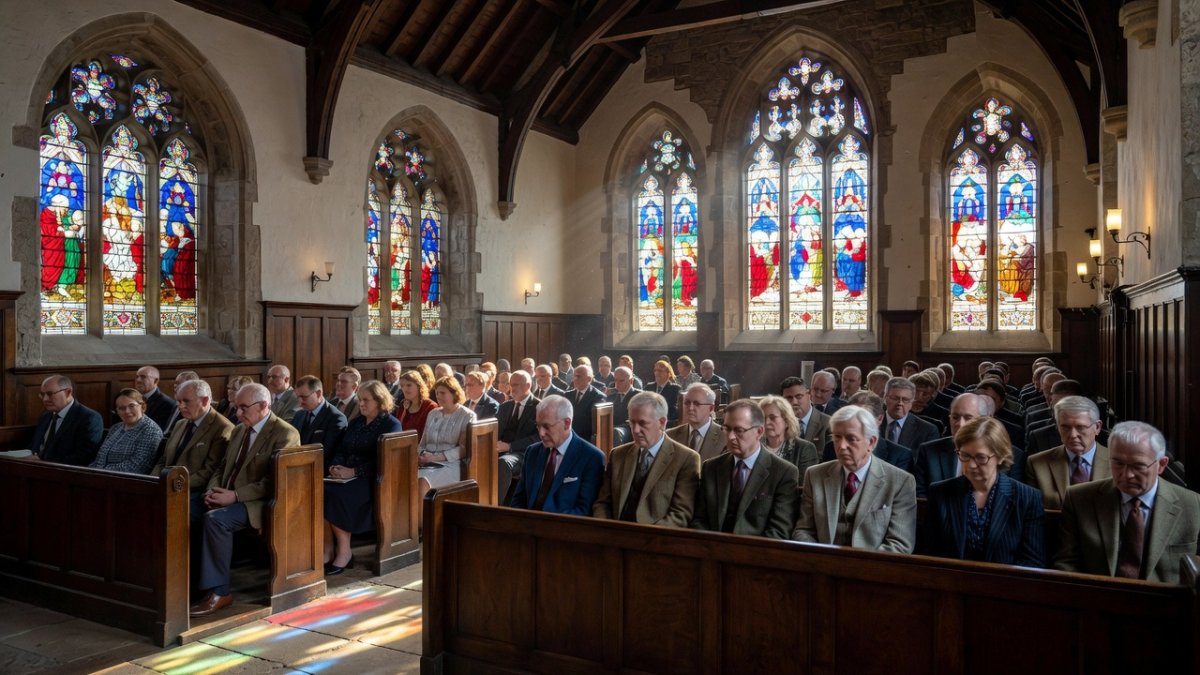
The Vote at York
The amended motion passed after extended debate, directing the Church to listen to accounts from Palestinian Christians without adopting every element of the Kairos II document titled "A Moment of Truth: Faith in a Time of Genocide." Delegates noted that the document characterizes Israeli policies as a colonial enterprise and describes actions in Gaza as a genocidal war. The wording adjustment addressed concerns that full reception might imply blanket agreement.
Archbishop Mullally referenced her June 2026 visit to the region, stating that fear was palpable among both Palestinian and Israeli communities she encountered. She emphasized the shrinking numbers of Palestinian Christians and the need for the Church to respond with concrete engagement rather than statements alone. The vote followed a process where the original motion to "receive" the document was altered to "hear" testimonies, a change proposed mid-debate to balance pastoral listening with theological caution.
Historical context reveals this decision builds on prior Church of England engagements, including 2023-2024 divestment debates where synod members scrutinized investments linked to settlements. Supporters like Canon Dr. Stephen Hance argued the testimonies humanize an overlooked crisis, while opponents such as Rev. Dr. Ian Paul warned against politicizing faith. Regional reactions from Palestinian Christians highlighted renewed hope, though Israeli officials condemned the move as one-sided, underscoring the human toll of prolonged displacement on families facing emigration pressures.
These deliberations unfold against a backdrop of generational trauma, where Palestinian families recount nightly anxieties over home demolitions and restricted movement that fracture community bonds and force difficult choices about staying or leaving ancestral lands. Such pressures not only diminish Christian demographics but also erode the cultural tapestry that has defined the region for centuries, compelling the Synod to weigh empathy against institutional caution in ways that could redefine Anglican approaches to global advocacy.
Kairos Palestine: A Call from the Margins
Kairos Palestine emerged as a grassroots initiative among Palestinian Christians seeking to articulate their lived experience under occupation. The 2026 document builds on earlier statements by framing current events in Gaza within a longer history of displacement and control. It calls on global churches to examine their theological and institutional ties to policies affecting Palestinian communities.
The document's language draws on reports from the UN, Amnesty International, and B'Tselem, which have documented patterns consistent with genocide in Gaza. Synod members who supported the motion stressed that hearing these testimonies aligns with longstanding Anglican commitments to justice and reconciliation. The process now moves toward structured engagement rather than immediate policy shifts.
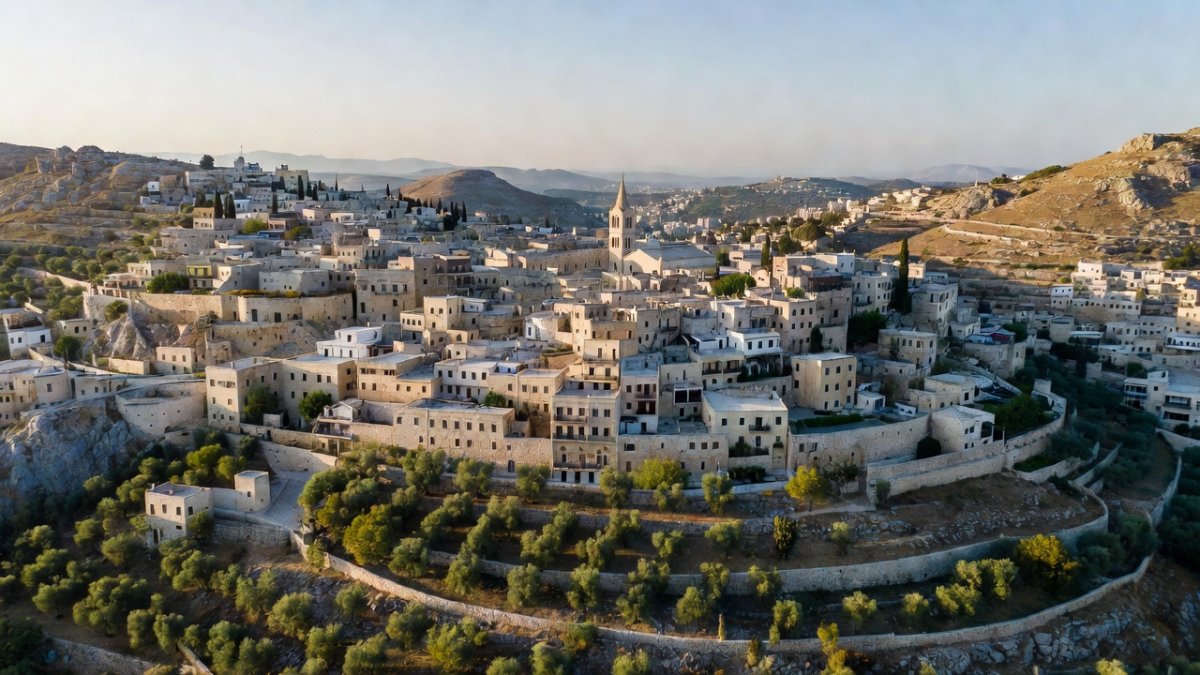
Connecting these calls to broader ecclesiastical traditions reveals how Kairos Palestine echoes prophetic voices from within the faith, urging churches to move beyond passive observation toward active accompaniment that honors the dignity of those marginalized by conflict. This evolution fosters inter-church dialogues that could bridge divides, yet it also exposes fault lines where historical alliances with state powers complicate efforts at impartial witness.
Voices from the Ground
Rev. Fadi Diab, a Palestinian Anglican priest from Bethlehem with deep roots in local ministry, shared harrowing accounts of community life under occupation, drawing from his work supporting families amid checkpoint restrictions and land confiscations. His testimony underscored the daily erosion of Christian presence in the Holy Land, where numbers have plummeted from around 10% of the population a century ago to less than 2% today due to conflict-driven emigration and economic despair.
Broader Palestinian Christian experiences reflect systemic pressures, including restricted access to holy sites and educational opportunities, compelling many youth to seek stability abroad. The Rev. Dr. Munther Isaac, a prominent Lutheran pastor, stated: "Criticizing the policies of the State of Israel is not antisemitism; it is a moral imperative rooted in our faith's call for justice." Kairos Palestine has played a pivotal role in global church advocacy since 2009, inspiring similar documents and solidarity campaigns that amplify marginalized voices within ecumenical networks.
Human impact resonates through stories of resilience, such as elderly parishioners preserving ancient traditions despite isolation, fostering empathy among international listeners and highlighting the urgent need for sustained humanitarian focus on these dwindling communities.
These personal narratives illuminate the quiet endurance of mothers who navigate curfews to ensure their children's education, or farmers whose olive groves—symbols of rooted identity—are repeatedly threatened, weaving a tapestry of loss and hope that demands sustained attention from global faith leaders. In turn, such accounts challenge Western congregations to confront their own complicity through investments or silence, transforming abstract debates into calls for tangible support like scholarship programs or advocacy networks that sustain these communities amid uncertainty.
Backlash and Accusations
Chief Rabbi Ephraim Mirvis labeled the vote shameful, arguing it risks inflaming tensions without sufficient context. The Board of Deputies of British Jews described the motion as highly problematic, citing concerns over the document's framing of Israeli actions. These responses reflect ongoing divisions within interfaith relations in the United Kingdom.
Synod supporters countered that the amended language deliberately avoided endorsement while still allowing Palestinian voices to be heard. They pointed to the distinction between listening and agreement as a safeguard against one-sided conclusions. The debate underscored differing interpretations of how religious institutions should address geopolitical conflicts.
Christians Under Fire Across the Region
The Rossing Centre recorded 155 attacks against Christians in Israel and East Jerusalem during 2025, ranging from vandalism of property to physical assaults. These incidents have contributed to a climate of insecurity for minority communities already navigating complex political dynamics. Church leaders have called for accountability and protection measures.
Israeli forces have also damaged churches and a convent in southern Lebanon during recent operations. Palestinian Christians in the occupied territories continue to face barriers to worship and pilgrimage, including permit restrictions and checkpoint delays. These pressures compound the broader humanitarian challenges documented by international observers.
A Wider Reckoning
This vote signals potential shifts across Anglican provinces, encouraging bodies like the Episcopal Church in the US and the Anglican Church of Canada to prioritize Palestinian testimonies in their own deliberations, fostering a more unified global stance on regional justice issues. It may influence Catholic and Protestant denominations by modeling cautious yet compassionate engagement, prompting similar hearings that integrate faith-based perspectives into policy discussions.
Geopolitically, Western church institutions adopting nuanced positions on Palestine could pressure governments toward balanced diplomacy, amplifying calls for accountability amid ongoing conflicts. Long-term, Christian-Jewish interfaith relations in the UK face evolving challenges, with some partnerships strained by differing views on Israel while others deepen through shared commitments to peace and human rights.
Regional reactions from Middle Eastern churches express cautious optimism, viewing the move as validation of their lived realities, whereas human impact includes strengthened resolve among Palestinian families who see ecclesiastical solidarity as a lifeline against existential threats.
Ultimately, this Synod decision ripples outward, inspiring youth-led initiatives in diaspora communities that link Palestinian struggles to wider movements for indigenous rights and refugee protections, while underscoring the need for ongoing monitoring to ensure that words of solidarity translate into meaningful actions that safeguard vulnerable populations across the region.
By Fatima Al-Rashid, Staff Writer
This article was produced with AI-assisted research and editorial support. Reporting is based on sources cited in the article.
What's Your Reaction?
 Like
0
Like
0
 Dislike
0
Dislike
0
 Love
0
Love
0
 Funny
0
Funny
0
 Wow
0
Wow
0
 Sad
0
Sad
0
 Angry
0
Angry
0
Gulf/MENA Correspondent at Global1.News. Based in Doha, covering Gulf politics, energy markets, diplomacy, and development across the Middle East and North Africa. Tracks the economic transformation of the Gulf states.










Comments (0)