
Kenyan Men Embrace Mothers' Surnames in Cultural Shift
Kenyan men adopting mothers’ surnames spark debate on identity, masculinity and single-mother realities. The piece weaves Kikuyu traditions, personal stories of Simon Macharia Wanguĩ and Peter Kĩgia wa Esther, plus parallels with Senegal, Ghana and Mozambique, showing how naming honors maternal strength amid social change.
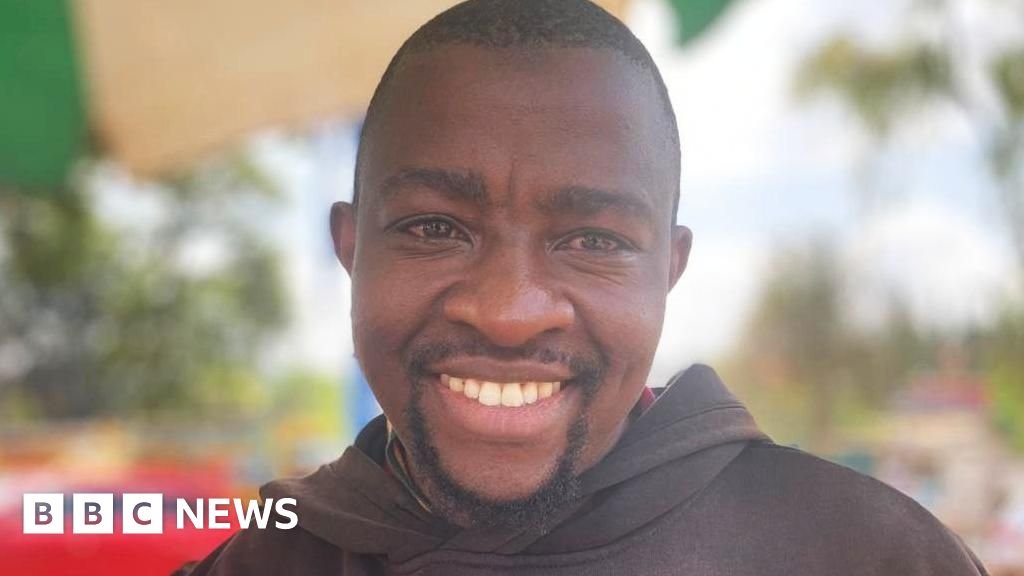
Kenyan Men Embrace Mothers' Surnames in Cultural Shift
Nairobi, Kenya — In the bustling streets of Nairobi, where the rhythms of benga music echo alongside the hum of political debates, a quiet revolution is unfolding among Kenyan men who proudly carry their mothers’ names. This shift challenges long-held notions of identity in a society where surnames traditionally signal paternal lineage, yet it mirrors deeper transformations across the continent, from the matrilineal echoes in Senegalese Wolof communities to the resilient family structures reshaping modern life. It signals how naming practices are adapting to honor women's central roles amid changing social realities.
The Tradition of Patronyms in Kenya
Many children in Kenya traditionally inherit their father's first name as their surname, a practice deeply embedded in the country's patriarchal framework. Among the Kikuyu, Kenya's largest ethnic group, this custom has long defined social standing and inheritance rights. However, the source reveals an increasing number of individuals opting for their mother's name instead, sparking debate particularly in urban centers like Nairobi. This deviation stands out because girls and women bearing their mother's names rarely face the same scrutiny, often adopting a husband's first name upon marriage. The trend highlights how naming conventions, once rigid, are adapting to contemporary realities while preserving cultural ties to ancestral lines.
Why Men Are Taking Their Mothers' Names
The rise of men with female surnames often stems from single-mother households becoming more common, as noted by cultural expert Wairimũ Mũkũrũ. In cases where a father is absent or rejects the child, some men like journalist Simon Macharia Wanguĩ deliberately choose their mother's name to honor her role. Wanguĩ, who lost his mother in 2003 and was raised partly by his grandmother, applied for a birth certificate in high school without a prior surname, opting for hers to avoid crediting an absent father. Others, such as MP John Njugũna Wanjikũ, received the name at birth from a single mother and embrace the nickname "Ka-Wanjikũ," meaning child of Wanjikũ. This choice reflects shifting family dynamics where mothers increasingly shoulder responsibilities traditionally held by fathers, a pattern seen in broader African contexts where economic migrations and social changes have altered household structures from Dakar to Nairobi.
Across sub-Saharan Africa, single-mother households have risen sharply due to economic migration and urbanization. In Kenya, recent demographic surveys indicate that nearly 35 percent of children under 18 live primarily with their mothers, a figure driven by fathers seeking work in cities or abroad. Similar patterns appear in Senegal, where Wolof families in Dakar often see men migrate to Europe or coastal fisheries, leaving women to manage households and register children under maternal names to secure legal recognition and inheritance. In Ghana, Akan communities have long tolerated maternal surname use during periods of male absence, reflecting flexible lineage systems that prioritize practical caregiving over strict patrilineal rules. These shifts are not merely personal choices but responses to structural changes: rising female labor participation, delayed marriages, and legal reforms allowing mothers to claim sole guardianship. The trend underscores how naming becomes a tool for asserting maternal contributions amid eroding traditional paternal authority.
Personal Stories: From Shame to Pride
Personal accounts illustrate the emotional journey tied to these names. Veteran musician Peter Kĩgia, now in his 60s and known as Kĩgia wa Esther, chose his mother's name as his stage name, registering his company as Wa Esther Productions. He emphasizes that taking a mother's name signifies love and respect, inspiring younger artists like Waithaka wa Jane and 90K Ka Msoh whose posters line Nairobi hoardings. Broadcaster Evans Kibe Waceke explains that single-parent upbringing can lead to perceptions of lacking morals or discipline, yet many now view success despite such names as overcoming odds. Journalist Simon Macharia Wanguĩ acknowledges an "identity crisis" but remains proud, noting that achievement reframes the narrative. These stories connect to African traditions where names carry spiritual weight, much like how Senegalese families in the Serer community sometimes invoke maternal lines informally to affirm bonds amid changing social fabrics.
Younger Kenyan musicians continue Peter Kĩgia’s example, adopting stage names like Waithaka wa Jane to foreground maternal bonds. This practice has gained traction in Nairobi’s entertainment scene, where record labels and social media campaigns now market such names as symbols of resilience rather than stigma. The industry’s visibility helps normalize female surnames, turning personal narratives into cultural commentary that resonates with urban youth navigating fractured family histories. These choices echo broader African naming traditions. Senegal’s Wolof patronymic system occasionally incorporates maternal references in informal or artistic contexts, while Ghana’s Akan matrilineal clans historically trace identity through mothers. In both regions, performers have used names to reclaim maternal lines, transforming potential sources of shame into affirmations of heritage and emotional continuity.
The Debate Over Masculinity
A heated discussion erupted two years ago when motivational speaker Robert Burale argued that female surnames undermine men's masculinity. This prompted TV personality Fred Mũitĩrĩ to share his experiences publicly, describing the embarrassment of being called out with a girl's name in school and the depression it triggered at age 23, leading him to drop his mother's name in favor of his English and Kikuyu first names only. Critics, including blog posts labeling the practice a "yoke around men's necks" or an effort to "womanise the Kikuyu man," fuel the backlash. Yet proponents see it as honoring women's strength, especially when fathers abandon roles. This tension echoes across Africa, where evolving gender expectations in places like Senegal challenge traditional masculinity without erasing cultural reverence for lineage.
A Tradition Rooted in Kikuyu Lineage
Far from being entirely new, the practice draws from Kikuyu mythology, where the community traces its origins to the 10 daughters of the first couple, Gikũyũ and Mũmbi, often called the House of Mũmbi. Mũgwe wa Njũhĩ of the cultural group Kiama Kĩa Ma points out his clan Mũmbũi derives from Wambũi, one of the daughters, affirming alignment with women from the beginning. Academic George Gathigi of the University of Nairobi notes that while Kikuyu men traditionally identified informally through mothers in polygamous households to distinguish children amid limited first names, formal adoption is modern. The late author Ngũgĩ wa Thiong'o, whose father had four wives, was known in childhood as Ngũgĩ wa Wanjikũ after his mother. Kikuyu musician Kĩgia wa Esther adds that outsiders criticizing this misunderstand "our way of life," underscoring how such customs celebrate maternal influence within a patrilineal shell.
Kikuyu society traces its origins to the House of Mumbi, the legendary mother of ten daughters whose descendants formed the core clans. Although colonial and missionary influences reinforced patrilineal inheritance, clan membership and land rights historically acknowledged maternal lines, especially in cases of absent fathers or strategic alliances. This layered structure allowed flexibility that modern men with female surnames are rediscovering. Comparable matrilineal frameworks exist elsewhere: Ghana’s Akan people transmit property and titles through the mother’s line; Senegal’s Serer communities maintain maternal clan affiliations alongside Islamic patronymics; and Mozambique’s Yao groups organize kinship around maternal uncles. These traditions demonstrate that maternal recognition is not an anomaly but a recurring feature of African social organization that urbanization has brought back into focus.
What This Says About Modern Africa
The phenomenon signals broader shifts in African societies where women assume dual parental roles amid absent fathers, as Gathigi observes, turning a "bad thing" into normalized strength. Single-mother families prompt uncles to sometimes withhold names due to inheritance concerns, yet the trend affirms women's growing influence in politics, music, and daily life. From Nairobi's political stage with figures like John Njugũna Wanjikũ to cultural expressions in benga music, it parallels changes in West Africa, where Senegalese women increasingly lead households and naming practices adapt to honor maternal resilience. Ultimately, men embracing these surnames stand against ridicule, embodying a continent-wide evolution toward inclusive identities that value both heritage and present realities.
By Amara Diop, Staff Writer
This article was produced with AI-assisted research and editorial support. Reporting is based on sources cited in the article.
What's Your Reaction?
 Like
0
Like
0
 Dislike
0
Dislike
0
 Love
0
Love
0
 Funny
0
Funny
0
 Wow
0
Wow
0
 Sad
0
Sad
0
 Angry
0
Angry
0

West Africa/Sahel Correspondent at Global1.News. Dakar-based journalist covering politics, security, climate, and development across Francophone and Anglophone West Africa. Tells the stories of a region undergoing profound transformation.










Comments (0)