
Princess Bajrakitiyabha, Thai King's Eldest Child, Dies at 47
The Announcement from the Bureau of the Royal Household The Bureau of the Royal Household issued its formal statement this week confirming that Her Royal Highness Princess Bajrakitiyabha Narendiradebyavati Kromluangrajasarinisiribajra Mahavajrarajadhita passed away at 19:48 on Thursday evening at King Chulalongkorn Memorial Hospital in Bangkok. She was 47 years old and had rema
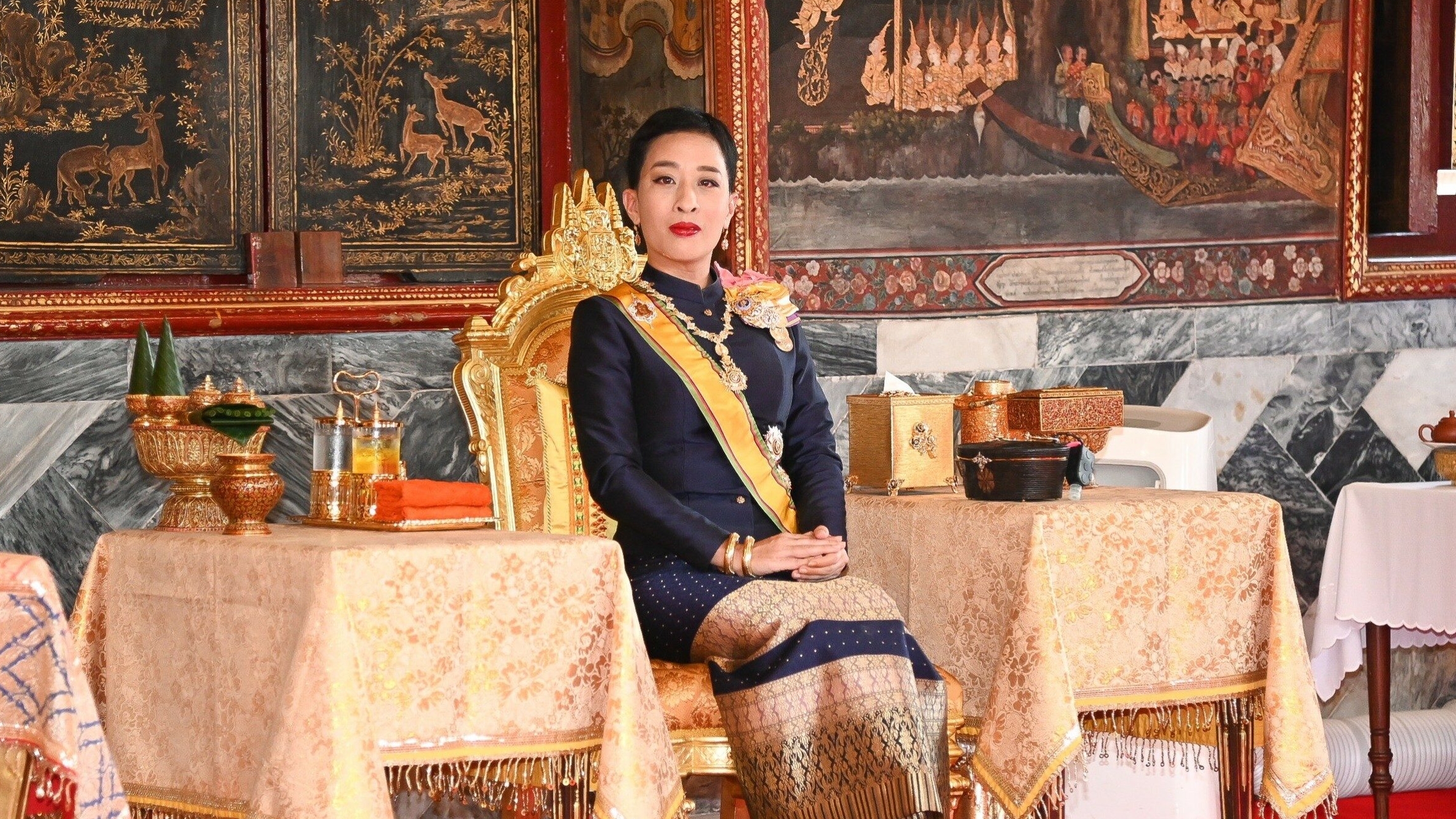
The Announcement from the Bureau of the Royal Household
The Bureau of the Royal Household issued its formal statement this week confirming that Her Royal Highness Princess Bajrakitiyabha Narendiradebyavati Kromluangrajasarinisiribajra Mahavajrarajadhita passed away at 19:48 on Thursday evening at King Chulalongkorn Memorial Hospital in Bangkok. She was 47 years old and had remained unconscious from a cardiac condition while receiving continuous treatment at the same hospital since 15 December 2022.
Medical teams at King Chulalongkorn Memorial Hospital documented the final decline after 21 May this year when an abdominal infection from inflammation of the large intestine developed alongside low blood pressure, cardiac arrhythmia and abnormal blood clotting. Despite round-the-clock care the condition worsened until Thursday evening when she passed away peacefully in the presence of the medical staff.
His Majesty the King immediately issued a royal command directing the Bureau of the Royal Household to organise funeral rites of the highest honours according to longstanding royal traditions and to enshrine the royal body at Phiman Rattaya Hall inside the Grand Palace. These instructions reflect the deep respect the monarchy holds for its members and the structured protocols that guide national mourning in Thailand.
Early Life in the Royal Household
Born on 7 December 1978 as the eldest child and first daughter of His Majesty King Maha Vajiralongkorn and Princess Soamsawali, Princess Bajrakitiyabha grew up within the daily rhythms of the Grand Palace and the Chitralada Royal Villa in Bangkok. Her childhood unfolded amid the Buddhist ceremonies and state functions that define Thai royal life and connect the monarchy to communities across the country.
She began her formal education at Rajini School in Bangkok before continuing at Heathfield School in Ascot, England, and completing secondary studies at Chitralada School. These institutions prepared her for both Thai cultural expectations and international perspectives that later shaped her public service.
Her early years instilled the Buddhist values of compassion and duty that guided her later projects for women in the criminal justice system. Thai families often see such royal examples as models for balancing personal responsibility with service to the wider community.
Academic Achievements at Home and Abroad
In 2000 Princess Bajrakitiyabha earned a Bachelor of Laws from Thammasat University and a Bachelor of Arts in International Relations from Sukhothai Thammathirat University. These dual degrees reflected her commitment to both domestic legal frameworks and global affairs that affect Thailand’s position in Southeast Asia.
She then pursued advanced legal studies at Cornell University, receiving a Master of Laws in 2002 and a Doctor of Juridical Science in 2005. The rigorous training at Cornell Law School equipped her with expertise that she later applied in Thai courts and international forums.
Her academic path strengthened Thailand’s legal diplomacy by producing a royal family member fluent in both civil law traditions and common law principles. Thai legal scholars often note how such preparation supports the kingdom’s engagement with ASEAN partners on justice and governance issues.
Early Roles in Thailand’s Justice System
From 2005 to 2006 she served as first secretary at the Permanent Mission of Thailand to the United Nations in New York. This posting introduced her to multilateral discussions on crime prevention and human rights that later influenced her domestic initiatives.
She subsequently joined the Office of the Attorney General and worked as a prosecutor in Udon Thani, Pattaya and Nong Bua Lam Phu provinces. These assignments placed her directly in contact with local communities in the Isaan region and along the eastern seaboard where prison conditions vary widely.
Her time in these provincial offices highlighted the everyday challenges faced by female inmates and their families. Thai prosecutors in similar roles frequently cite the need for consistent standards that her later projects sought to establish nationwide.
Diplomatic Service in Vienna
Between 2012 and 2014 Princess Bajrakitiyabha served as Thailand’s ambassador to Austria and permanent representative to the United Nations Office at Vienna. In this capacity she represented the kingdom in discussions on transnational crime and the rule of law that directly affect Southeast Asian cooperation.
Her diplomatic work strengthened Thailand’s voice within the United Nations Office on Drugs and Crime and built relationships that supported regional efforts against human trafficking and corruption. ASEAN member states often look to such postings as models for coordinated policy responses.
Upon completing the Vienna assignment she returned to prosecutorial duties, bringing international experience back to Thai courts. This cycle of service between Bangkok and overseas posts remains a hallmark of Thai royal and government careers that benefit both domestic institutions and regional diplomacy.
Leadership in Women’s Justice Initiatives
In 2006 she launched the Kamlangjai Project to improve the quality of life for women prisoners across Thailand. The initiative focused on practical support such as health care, vocational training and family contact programs in facilities from Bangkok to provincial prisons in the Isaan region.
Two years later she introduced the Enhancing Lives of Female Inmates project, known as ELFI, which promoted international standards for the treatment of women in custody. These efforts contributed directly to the United Nations General Assembly’s adoption of the Bangkok Rules in 2010, formally titled the United Nations Rules for the Treatment of Women Prisoners and Non-custodial Measures for Women Offenders.
She later served as UNODC Regional Goodwill Ambassador on the Rule of Law for Southeast Asia. Thai prison administrators and women’s rights groups continue to reference the Bangkok Rules when advocating for reforms that reduce recidivism and support reintegration into local communities.
Service in the Royal Security Command
In February 2021 Princess Bajrakitiyabha transferred to the Royal Security Command and became chief of staff of the King’s Close Bodyguard Command with the rank of general. This role placed her at the centre of protocols protecting the monarchy and coordinating with security agencies throughout the kingdom.
In August 2025 she was appointed deputy commander of the Royal Security Command. The position underscored the trust placed in her by the palace and reinforced the integration of royal family members into national defence structures.
Her security responsibilities complemented her earlier justice work by emphasising protection of vulnerable populations within the broader framework of Thai law and order. Communities in Bangkok and beyond often view such dual service as a bridge between royal tradition and modern governance needs.
The Royal Funeral and National Mourning
The Bureau of the Royal Household has begun preparations for funeral rites of the highest honours at the Grand Palace. These ceremonies will follow centuries-old Buddhist and royal traditions that include merit-making rituals and public participation at designated sites across Bangkok.
Details of the schedule remain under development, yet the enshrinement at Phiman Rattaya Hall signals the solemn respect accorded to her memory. Thai citizens from Chiang Mai to Phuket traditionally join such observances through temple visits and community gatherings that strengthen social bonds during periods of national loss.
The structured mourning process also provides space for reflection on the monarchy’s role in daily Thai life. Families across the country often use these moments to discuss values of duty and compassion that Princess Bajrakitiyabha embodied through her projects for women in the justice system.
Legacy for Thailand and Southeast Asia
Princess Bajrakitiyabha’s work on the Bangkok Rules continues to shape prison policies in Thailand and neighbouring ASEAN countries that face similar challenges with female incarceration. Legal aid organisations in the region regularly cite her initiatives when training prosecutors and corrections officers.
Her combination of legal scholarship, diplomatic experience and security service demonstrated how members of the royal family can contribute across multiple sectors while remaining grounded in Buddhist principles of service. Thai universities and civil society groups frequently reference her path when mentoring young professionals interested in public service.
The loss reaches beyond Bangkok to communities in Udon Thani, Pattaya and Nong Bua Lam Phu where her prosecutorial work left tangible improvements in local justice practices. As Thailand moves forward the principles she advanced remain embedded in ongoing efforts to strengthen the rule of law and support vulnerable populations throughout the kingdom and the wider region.
By Ann Srisawat, Staff WriterThis article was produced with AI-assisted research and editorial support. Reporting is based on sources cited in the article.
What's Your Reaction?
 Like
0
Like
0
 Dislike
0
Dislike
0
 Love
0
Love
0
 Funny
0
Funny
0
 Wow
0
Wow
0
 Sad
0
Sad
0
 Angry
0
Angry
0

Southeast Asia Correspondent at Global1.News. Based in Bangkok, covering Thai and Southeast Asian politics, economy, technology, and culture. Deep regional perspective on one of the world's most dynamic regions.















Comments (0)