
NBI Chief Admits Lapses in 2020 Arrest of Teacher Ronnel Mas
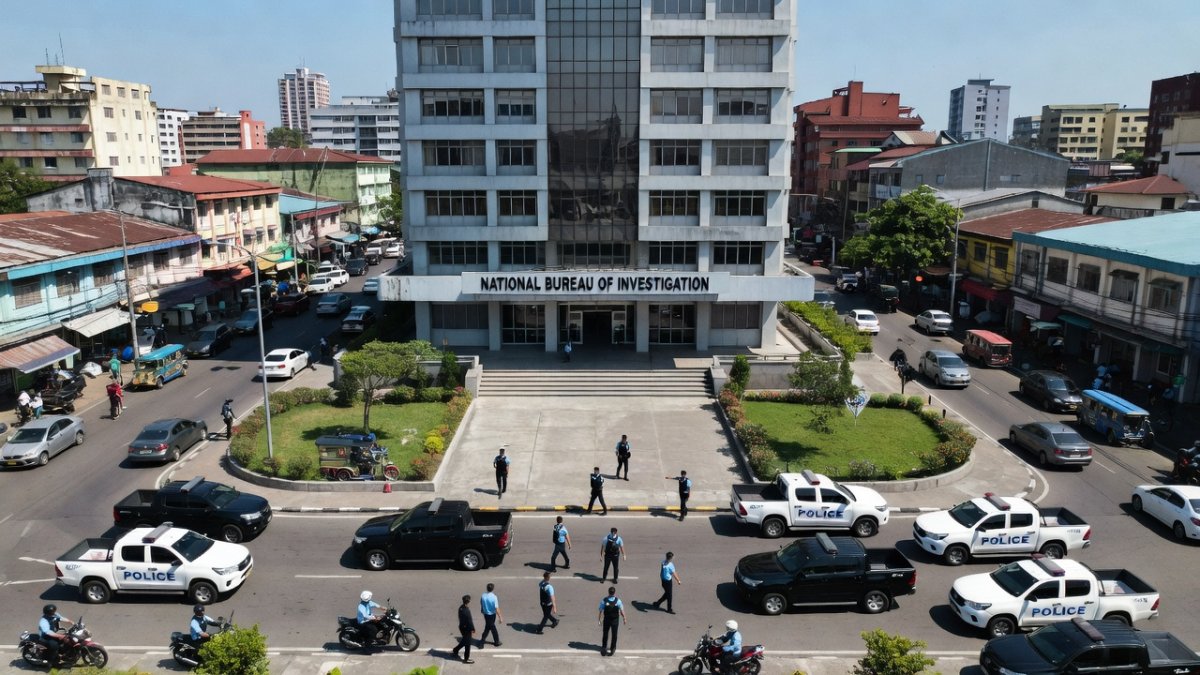
NBI Director Melvin Matibag admitted procedural lapses in the 2020 arrest of teacher Ronnel Mas during VP Sara Duterte impeachment trial. The admission highlights skipped protocols like barangay clearance, affecting the case and Mas family while disrupting students in Dagupan. Reforms and exonera...
NBI Chief's Admission Before the Senate
NBI Director Melvin Matibag delivered a rare public acknowledgment of fault during the Senate proceedings tied to Vice President Sara Duterte's impeachment trial, confessing that agents under his command had bypassed essential protocols when detaining public school teacher Ronnel Mas in Dagupan back in 2020. Matibag described the lapses as stemming from an overzealous interpretation of operational urgency, noting that the team failed to secure proper coordination with local authorities before executing the warrant. His testimony, delivered in measured tones before a packed gallery, highlighted how such shortcuts had become normalized in high-pressure provincial operations, yet he stopped short of assigning personal blame to any single operative.
Senators from both sides of the aisle reacted with visible surprise and pointed questions, with several expressing concern that the admission could undermine the credibility of evidence presented in related cases. One veteran lawmaker pressed Matibag on whether similar procedural shortcuts had occurred in other arrests, prompting the director to promise a full internal audit. The exchange underscored the political weight of the moment, as the impeachment trial provided an unexpected platform for revisiting an incident that had otherwise faded from national headlines.
The timing of the admission carries significant implications because it surfaces precisely when public trust in law enforcement institutions is under intense scrutiny amid the broader political drama. By linking a six-year-old case to the ongoing trial, Matibag's statement risks reopening debates about selective prosecution and the weaponization of state agencies. Legal observers note that such admissions could influence how the Senate weighs the reliability of NBI-gathered evidence in future proceedings, potentially shifting the narrative around accountability in the provinces.
The 2020 Dagupan Operation
The arrest of Ronnel Mas unfolded in the early hours of a quiet morning in Dagupan when NBI agents arrived at his modest home without first notifying the local barangay officials or securing the required presence of independent witnesses. According to court records and subsequent testimony, the team relied solely on a hastily obtained warrant and proceeded without the standard coordination that Philippine law typically demands for operations in residential areas. Mas, who was preparing for his morning classes, was taken into custody amid confused neighbors who later reported seeing no formal documentation read aloud at the scene.
Key procedures skipped included obtaining barangay clearance and ensuring at least two disinterested witnesses were present during the apprehension, both of which are mandated under the Revised Rules of Criminal Procedure to prevent abuse and protect the rights of the accused. These omissions left the operation vulnerable to claims of irregularity, as defense lawyers later argued that the lack of local oversight created opportunities for planted evidence or undue coercion. The absence of these safeguards has already prompted motions to suppress certain pieces of evidence gathered during the raid.
The procedural shortcuts have directly weakened the legal standing of the case against Mas, opening avenues for dismissal or reduced charges on technical grounds. Defense counsel has cited the NBI's own admission as grounds for questioning the integrity of the entire investigation, arguing that violations of due process cannot be excused by operational convenience. This development has forced prosecutors to reassess their strategy, illustrating how even minor lapses years earlier can unravel cases long after the initial headlines have faded.
Teacher Ronnel Mas and His Family
Ronnel Mas had served as a dedicated public school teacher in Dagupan for over a decade, known among colleagues for his commitment to underprivileged students and his involvement in community literacy programs. His arrest in 2020 abruptly halted his career, leaving his classroom empty and his students without their regular mentor at a critical time in their academic development. Colleagues described him as a quiet but effective educator whose absence was immediately felt in the school's daily operations.
The impact on Mas's wife and two young children has been profound, with the family facing sudden financial strain after his salary was suspended pending the resolution of the case. His wife, previously a part-time vendor, has had to take on additional work while managing household expenses and legal costs that have already depleted their modest savings. Extended family members in nearby provinces have stepped in to provide temporary support, yet the emotional toll of prolonged uncertainty continues to weigh heavily on the household.
Access to GSIS benefits has been complicated by the ongoing legal proceedings, leaving the family without the usual safety nets available to government employees in distress. Mounting legal fees have forced difficult choices, including selling personal assets and delaying medical care for aging relatives. Despite these hardships, Mas's family maintains hope that the NBI director's admission will accelerate efforts toward full exoneration and restoration of his professional standing.
Students Left Behind
Students in Dagupan public schools experienced immediate disruptions following Mas's arrest, as the sudden vacancy left classes without consistent instruction in core subjects for several weeks. Substitute teachers were scarce in the region, and those who were available often lacked the specialized training needed to maintain the curriculum's pace. Many pupils reported falling behind in mathematics and science, subjects where Mas had been particularly effective at building foundational skills.
The shortage of qualified substitutes compounded the problem, forcing school administrators to combine classes or rely on overburdened regular teachers who were already stretched thin. Missed lessons accumulated over months, contributing to measurable declines in standardized test scores for the affected cohort. Parents voiced growing anxiety about the long-term effects on their children's academic trajectories, particularly for those preparing for national examinations.
Community meetings revealed widespread concern that the instability could erode trust in the public education system, with some families considering transfers to private institutions despite the added cost. The episode highlighted how the detention of a single educator can ripple outward, affecting dozens of young lives and underscoring the need for swift resolution in cases involving essential public servants.
Due Process in the Provinces
The contrast between NBI operational protocols and local law enforcement practices often creates friction in provincial settings, where national agents may overlook barangay-level requirements in favor of expediency. In Mas's case, the failure to align with these local norms exposed gaps in coordination that can undermine the legitimacy of arrests conducted far from Manila. Such discrepancies raise questions about whether uniform standards are truly applied across the archipelago.
Article III of the Philippine Constitution guarantees protections against unreasonable searches and seizures, as well as the right to due process, yet these safeguards can feel distant in rural and provincial contexts where resources and oversight are limited. The NBI's admission brings renewed attention to how these constitutional rights are upheld—or neglected—when national agencies operate outside their usual urban environments. Legal advocates argue that stricter adherence to local protocols would strengthen rather than hinder investigations.
For ordinary Filipinos, particularly those in the provinces, the case serves as a reminder that procedural lapses can transform routine encounters with authority into prolonged legal ordeals. Ensuring consistent application of due process protections is essential to maintaining public confidence in the justice system, especially when the accused are everyday citizens like teachers who lack the means to mount sophisticated defenses.
What Comes Next
The NBI has committed to completing an internal review of the Mas arrest within thirty days, with Director Matibag pledging greater emphasis on training agents in provincial operations. The review is expected to examine similar cases from the same period to identify patterns of procedural shortcuts. Reforms under consideration include mandatory pre-operation briefings with local officials and enhanced documentation requirements.
Mas's family has expressed cautious optimism that the director's testimony will pave the way for formal exoneration and the eventual dismissal of charges. They are preparing additional legal filings that cite the admission as new evidence of investigative misconduct. Supporters within the teaching community have begun organizing petitions calling for his reinstatement and compensation for lost income.
Beyond the immediate case, the episode carries broader implications for NBI reform, potentially influencing how future administrations approach high-stakes arrests in outlying regions. Lawmakers have signaled interest in legislative measures to codify stricter coordination rules, ensuring that constitutional protections remain robust regardless of geography or political climate.
By Bella Reyes, Staff WriterThis article was produced with AI-assisted research and editorial support. Reporting is based on sources cited in the article.
What's Your Reaction?
 Like
0
Like
0
 Dislike
0
Dislike
0
 Love
0
Love
0
 Funny
0
Funny
0
 Wow
0
Wow
0
 Sad
0
Sad
0
 Angry
0
Angry
0

Philippines/Southeast Asia Correspondent at Global1.News. Manila-based journalist covering Philippine politics, environment, maritime security, and social issues. Passionate about marine conservation and the communities protecting the Philippines' natural heritage.














Comments (0)