
Chile Megadrought Data Centers Water Crisis 2026
In the dusty outskirts of Quilicura, 42-year-old farmer María López watches her once-thriving vegetable plots crack under the relentless sun, her family of five now rationing water drawn from a depleted aquifer that once sustained generations. Just kilometers away, gleaming data centers hum with servers processing global cloud traffic, their cooling systems drawing millions of
In the dusty outskirts of Quilicura, 42-year-old farmer María López watches her once-thriving vegetable plots crack under the relentless sun, her family of five now rationing water drawn from a depleted aquifer that once sustained generations. Just kilometers away, gleaming data centers hum with servers processing global cloud traffic, their cooling systems drawing millions of liters daily from the same strained sources. This stark contrast captures Chile's deepening crisis where a 16-year megadrought meets the explosive growth of digital infrastructure.
Chile's Megadrought Fuels Data Center Water Wars as Reservoirs Hit Historic Lows
Santiago, Chile – June 12, 2026 — Chile's megadrought, now stretching nearly 16 years since around 2010, has transformed once-fertile valleys into arid battlegrounds where communities, farmers, and tech giants clash over dwindling water supplies, with data centers emerging as flashpoints in a privatized system that favors corporate extraction over human needs. Affected areas have seen 37 percent less precipitation over the past 30 years, pushing reservoirs in the Coquimbo region to just 10.8 percent capacity as of June 9, 2026, while central zone reservoirs hover around 30 percent. This prolonged crisis, intensified by climate change, now intersects with Chile's rapid digital expansion, where 33 operating data centers and 34 more planned threaten to accelerate aquifer depletion in already parched basins.
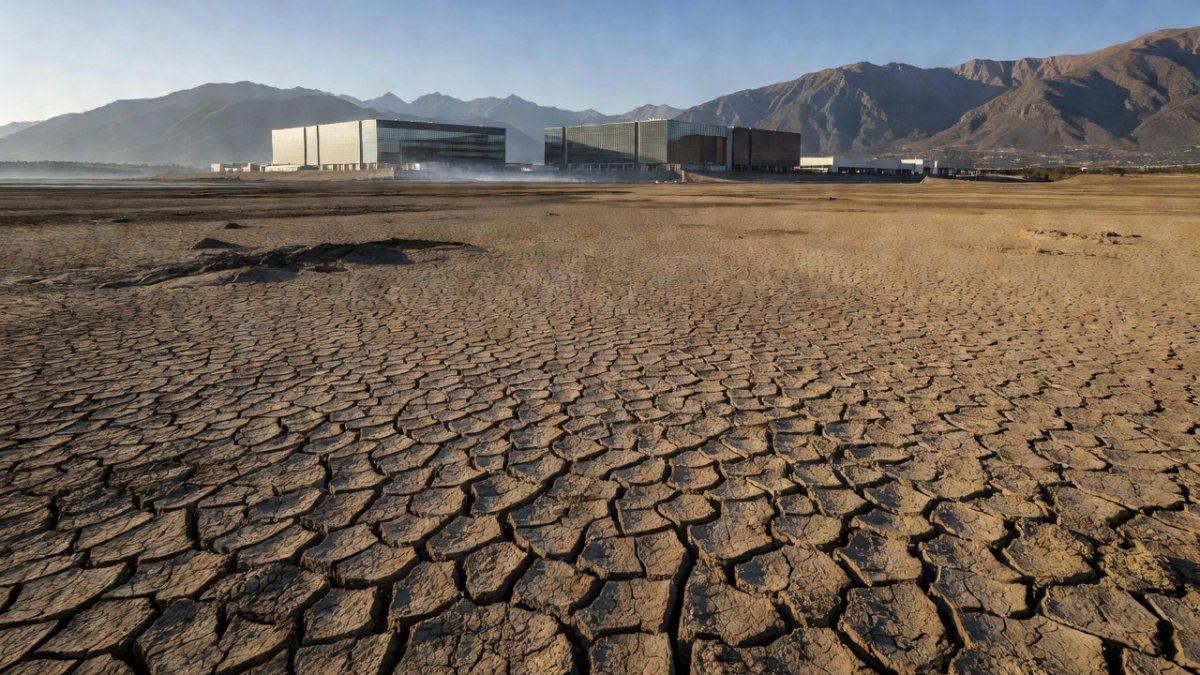
The Human Face of Chile's Enduring Megadrought
María López's story echoes across central Chile, where families have endured 16 years of the megadrought that began around 2010 and shows no sign of easing. Precipitation has dropped 37 percent in affected zones over three decades, turning once-reliable rivers into trickles and forcing rural households to truck in water for basic survival. In the Coquimbo region, reservoirs stand at a mere 10.8 percent capacity as recorded on June 9, 2026, while central zone facilities manage only about 30 percent, leaving thousands dependent on emergency supplies. Agriculture, which consumes roughly 72 percent of available water nationally and 70 to 80 percent in most basins, faces collapse as crops wither and livestock herds shrink. The Dirección General de Aguas, operating under the Ministry of Public Works, tracks these declines through satellite and ground monitoring, yet the privatized 1981 Water Code continues to allocate rights to the highest bidders rather than prioritizing domestic use. Communities like those near Quilicura report dried wells and lost livelihoods, with children missing school to help fetch scarce resources. This human toll underscores how the megadrought has become a permanent fixture, reshaping daily life for millions across Latin America's southern cone.
Understanding Chile's Privatized Water System and Monitoring Failures
Chile's water governance, rooted in the 1981 Water Code, treats water as a tradable commodity, enabling corporations to amass rights while smallholders struggle. The Dirección General de Aguas monitors usage via the Ministry of Public Works, yet enforcement remains weak amid overlapping claims from agriculture, mining, and now data centers. Reservoirs in key basins reflect the strain, with Coquimbo at 10.8 percent capacity in June 2026 and central zones near 30 percent after 16 years of megadrought that cut precipitation by 37 percent over 30 years. Agriculture dominates consumption at 72 percent nationally and up to 80 percent in many basins, leaving little margin for urban or industrial needs. Mining operations in the north have shifted toward desalination, now supplying over 40 percent of their requirements, but central regions lack similar infrastructure. Projections indicate extreme water stress by 2040 without reforms, as aquifers continue to drop and climate variability intensifies. The system favors large holders, creating inequities that pit rural families against expanding tech facilities. Data from ongoing DGA reports highlight how this framework, unchanged for decades, amplifies vulnerability across Latin America’s most water-stressed nation.
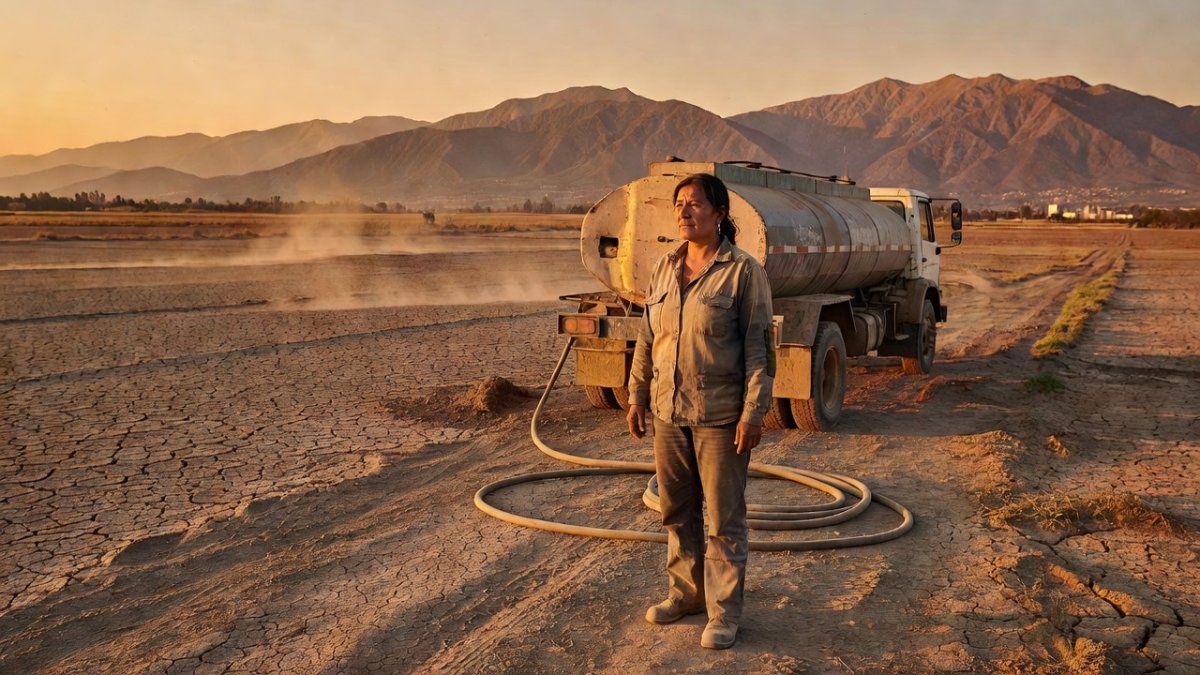
The Explosive Growth of Data Centers in a Water-Scarce Nation
Chile has emerged as Latin America's data hub, with Google opening its first regional facility in Quilicura in 2015 and the country now hosting 33 operating data centers plus 34 more planned. These installations require vast cooling water, drawing from the same aquifers and rivers already battered by the 16-year megadrought. In Quilicura, the wetland has begun drying as groundwater levels fall, directly linked to industrial extraction. Google's existing water rights total around 1,500 liters per second, enough to supply roughly 8,000 families with domestic needs. A proposed new facility could consume volumes comparable to an entire city of 88,000 residents, raising alarms among local activists. The Environmental Tribunal halted one Google expansion in 2024 over these concerns, yet the pipeline of projects continues. Agriculture's 72 percent share of water use leaves data centers competing in an already tight market governed by the 1981 Water Code. This digital boom, while promising jobs, risks deepening the crisis in basins where reservoirs sit at 10.8 percent in Coquimbo and 30 percent centrally. Latin American nations watch closely as Chile balances technological ambition against ecological limits.
Google's Water Rights and the Quilicura Wetland Crisis
Google's operations in Quilicura illustrate the tension between global tech demands and local water realities. Since 2015, the company has secured rights to approximately 1,500 liters per second, a volume equivalent to the domestic needs of about 8,000 families. A single proposed expansion could match the consumption of a city with 88,000 residents, intensifying pressure on aquifers already depleted by the megadrought. The Quilicura wetland, once a biodiversity hotspot, now shows visible drying linked to these extractions. In 2024, Chile's Environmental Tribunal blocked further growth citing insufficient water assessments, yet 34 additional data centers remain planned nationwide. The 1981 Water Code enables such allocations without strong public oversight, while the Dirección General de Aguas struggles to enforce limits amid competing claims. Agriculture still claims 70 to 80 percent of basin water, but data centers add concentrated industrial demand in urban zones. This conflict highlights how privatized rights, combined with 16 years of reduced precipitation, threaten ecosystems and communities. Residents report falling water tables and lost agricultural viability, underscoring the need for transparent allocation in Latin America's digital frontier.
Agriculture, Mining Shifts, and Projections of Extreme Stress by 2040
Agriculture's dominance at 72 percent of national water use, rising to 70-80 percent in most basins, leaves scant reserves during the megadrought that has cut precipitation 37 percent over 30 years. Mining in northern Chile has pivoted to desalination, covering more than 40 percent of needs, yet central valleys remain reliant on dwindling surface and groundwater sources. Reservoirs reflect the emergency, with Coquimbo at 10.8 percent capacity in June 2026 and central zones around 30 percent. Data centers compound these pressures through steady industrial withdrawals. Projections from climate models point to extreme water stress by 2040 unless major reforms occur, including better monitoring by the Dirección General de Aguas. The 1981 Water Code's market-driven approach has enabled corporate accumulation, sidelining small farmers and ecosystems. El Niño patterns expected in late 2026 could deliver heavy rains, yet they also risk floods and landslides on degraded soils. Latin American policymakers study Chile's experience as a warning for balancing development with sustainability amid prolonged drought conditions.
The Bottom Line — What Comes Next
Chile stands at a crossroads where the 16-year megadrought, data center expansion, and outdated water laws demand urgent action before 2040 stress becomes irreversible. Reforms to the 1981 Water Code, stronger Dirección General de Aguas enforcement, and limits on industrial withdrawals could protect communities like those in Quilicura. Potential El Niño rains in late 2026 offer temporary relief but also flood dangers on parched land. Latin America must learn from Chile's data center conflicts to prioritize equitable access over corporate gains. Without swift changes, millions face deepening scarcity while digital infrastructure continues to grow unchecked.
By Elena Vasquez, Staff WriterThis article was produced with AI-assisted research and editorial support. Reporting is based on sources cited in the article.
What's Your Reaction?
 Like
0
Like
0
 Dislike
0
Dislike
0
 Love
0
Love
0
 Funny
0
Funny
0
 Wow
0
Wow
0
 Sad
0
Sad
0
 Angry
0
Angry
0

Latin America Correspondent at Global1.News. Based in Mexico City, covering politics, economics, energy, and culture across the region. Brings an on-the-ground perspective to stories spanning from the Rio Grande to Patagonia.













Comments (0)