
Gulf of Paria Dispute Puts Neighbours on Edge Over Shared Waters
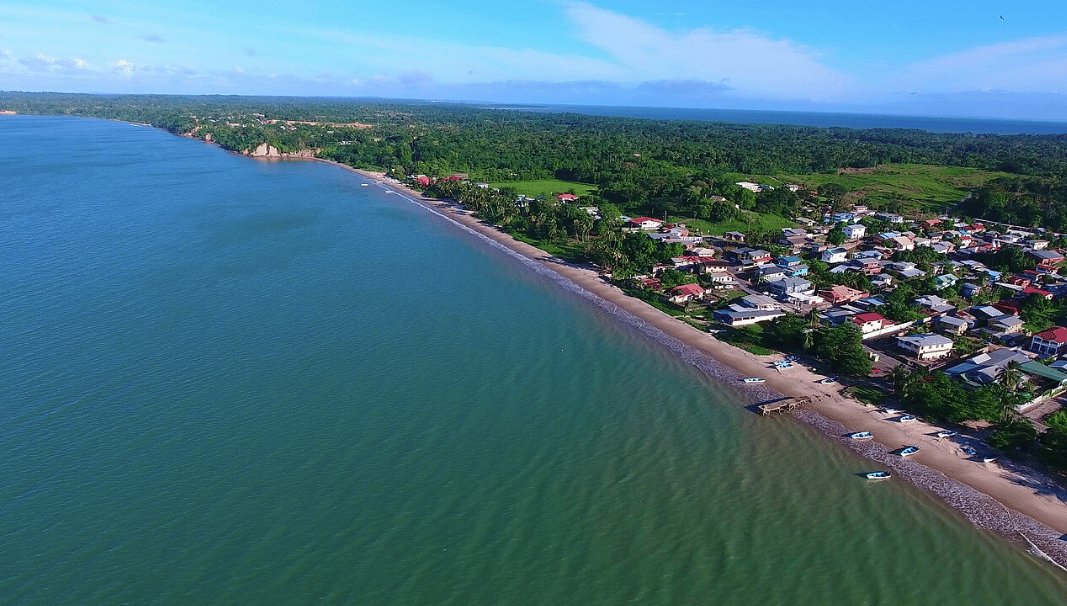
The Core Dispute The recent claims over an oil spill in the Gulf of Paria have stirred fresh tension between Trinidad and Tobago and Venezuela. Venezuela's Foreign Minister Yvan Gil held a press conference to demand information and compensation, stating that the incident on May 1 originated in Trinidadian waters and could cause serious environmental damage to the shared ecosystem.
The Core Dispute
The recent claims over an oil spill in the Gulf of Paria have stirred fresh tension between Trinidad and Tobago and Venezuela. Venezuela's Foreign Minister Yvan Gil held a press conference to demand information and compensation, stating that the incident on May 1 originated in Trinidadian waters and could cause serious environmental damage to the shared ecosystem. Port of Spain has pushed back firmly, describing the event as a minor spill of 10 barrels that was quickly contained and posed no lasting threat.
Officials in Trinidad and Tobago maintain that their assessments show the spill remained localised and did not cross into Venezuelan territory in any significant way. The Ministry of Energy issued a statement rejecting claims that the incident breached any bilateral agreements, confirming that the release from a storage tank at Point Lisas had been contained within hours under the National Oil Spill Contingency Plan. This back-and-forth comes at a time when both nations already navigate delicate bilateral matters, and the exchange of formal demands has added another layer of complexity to relations across the narrow stretch of water that separates the two countries.
Environmental Fallout
The Gulf of Paria serves as a vital marine space for both Trinidad and Tobago and Venezuela, supporting diverse ecosystems that include wetlands and coastal habitats. Venezuela has raised concerns that the spill could affect 1,625 square kilometres across twelve strategic wetlands, highlighting risks to marine life and the broader environment that both sides depend upon. Trinidadian authorities continue to dispute the scale of any potential impact, insisting that containment measures limited the reach of the 10-barrel release.
Environmental worries in the region often tie into wider pressures from climate change on small island developing states, where rising seas and shifting weather patterns already challenge coastal areas. Communities in Trinidad and Tobago have long voiced the need for careful stewardship of these waters, recognising that any pollution carries consequences for the natural balance that sustains fishing grounds and mangrove systems alike. The incident has revived calls for a joint technical committee to monitor the shared ecosystem, with some observers suggesting that an independent international body could be invited to verify future incidents.
Lives in the Balance
Fishing communities on both sides of the Gulf of Paria rely heavily on these waters for their daily livelihoods, and any disruption to marine resources hits households directly. In Trinidad and Tobago, families in Point Fortin, La Brea and Icacos — communities whose identity is woven into the fishing trade — have voiced concern over what even a contained spill means for their catches and income. Members of the Trinidad Fishermen's Cooperative have reported that the uncertainty alone has affected daily landings, with some boats choosing to stay ashore while the dispute plays out.
The cost of living in Trinidad remains a pressing concern, with food inflation adding to the pressures households already face. Many fishing families now find themselves caught between the immediate disruption to their livelihood and the broader economic trends that have seen weekly grocery bills climb across the country. The Cooperative has pointed to the Fisheries Emergency Relief Fund as a potential avenue for support if catches remain affected for an extended period, though no formal requests have been submitted at this stage.
On the Venezuelan side, fishing communities in Sucre state face similar hardships. The Gulf of Paria supports thousands of livelihoods on both shores, and even modest incidents can transmit economic pressure through the narrow waterway that connects the two nations. Informal cross-border ties have long existed among fisherfolk who share these waters, and many hope that the current dispute does not disrupt the practical cooperation that has developed over generations.
A History of Tension
This is not the first time oil spill concerns have surfaced between Trinidad and Tobago and Venezuela in the Gulf of Paria. Past incidents have led to diplomatic exchanges, with each side seeking clarity on responsibility and impact. The current claims build on that pattern, as Caracas seeks details and potential compensation while Port of Spain maintains its position on the limited nature of the May 1 event.
These recurring frictions reflect the realities of two nations sharing a compact marine space where boundaries blur and ecosystems connect. Previous disputes have tested cooperation, yet they have also prompted calls for better joint monitoring to prevent misunderstandings from escalating. The 1990 Gulf of Paria delimitation agreement and subsequent bilateral memoranda provide a framework for resolving such matters, though their application in practice has not always been smooth. The history reminds us that careful dialogue remains essential in a region where energy activities and fishing interests overlap daily.
Energy Sector Concerns and CARICOM Ties
Trinidad and Tobago's energy landscape, built around oil and gas operations including the legacy of Petrotrin and facilities like Atlantic LNG, plays a central role in the national economy and regional supply. Any perception of lax spill response risks influencing how international partners view environmental standards in these waters, particularly at a time when new cross-border energy projects are under discussion between the two neighbours. Venezuela, with its own significant energy resources, shares an interest in stable relations that support broader Caribbean cooperation.
The episode highlights the need for transparent information sharing on incidents that could affect joint interests. CARICOM's framework for energy security has facilitated technical exchanges between member states, and some diplomats in Port of Spain have suggested that a strengthened liaison mechanism could institutionalise regular environmental monitoring. Such an arrangement would reduce the likelihood of future incidents escalating into broader diplomatic friction across the Caribbean basin. While no immediate timelines have been set for new protocols, both countries stand to benefit from measured approaches that safeguard energy infrastructure and marine resources without inflaming tensions further.
The Dragon gas project, which aims to tap Venezuelan offshore gas reserves for processing at Trinidad's Atlantic LNG facility, adds another dimension to the bilateral relationship. Any protracted dispute over environmental liability could complicate the commercial arrangements that underpin cross-border energy cooperation. Industry observers note that both nations have strong incentives to resolve the current disagreement through technical channels rather than allowing it to escalate into a broader diplomatic standoff that could affect planned investments in the energy corridor.
What Happens Next
Diplomatic channels remain open as Trinidad and Tobago and Venezuela work through the exchange of information on the spill. The focus now turns to verifying the facts on the ground and exploring ways to strengthen monitoring in the Gulf of Paria for the future. Fishing communities and environmental groups in Trinidad and Tobago continue to advocate for practical steps that protect shared waters while supporting local livelihoods.
As the situation develops, the emphasis stays on calm, fact-based engagement that respects the realities of two neighbours bound by geography and history. Warm ties between the peoples of both nations have endured past challenges, and many in Trinidad hope this latest matter can lead to improved safeguards that benefit the entire region without adding to everyday pressures.
For the fishing families of Point Fortin and the energy workers of Point Lisas alike, the outcome of this dispute carries real consequences. Whether through direct bilateral talks, CARICOM-facilitated mediation, or independent technical verification, the path forward requires both sides to prioritise cooperation over confrontation. The Gulf of Paria has sustained communities on both shores for generations — protecting it from pollution, whether minor or major, remains a shared responsibility that transcends the current diplomatic back-and-forth.
By Sharon Sahatoo, Staff WriterThis article was produced with AI-assisted research and editorial support. Reporting is based on sources cited in the article.
What's Your Reaction?
 Like
0
Like
0
 Dislike
0
Dislike
0
 Love
0
Love
0
 Funny
0
Funny
0
 Wow
0
Wow
0
 Sad
0
Sad
0
 Angry
0
Angry
0

Caribbean Correspondent at Global1.News. Based in Port of Spain, Trinidad, covering Caribbean politics, economy, energy, climate, and culture. Amplifying the voices and stories of the Caribbean region.










Comments (0)