
More Filipinos Turning Away from China as Distrust Hits 64%, OCTA Survey Shows
OCTA survey finds Filipino distrust of China at 64% (up 9 points since March), fueled by West Philippine Sea incidents like the Ayungin Shoal assault. High distrust spans classes (63-67%) and education levels (60-69%), with only 14% trusting China. Results highlight impacts on foreign policy, fis...
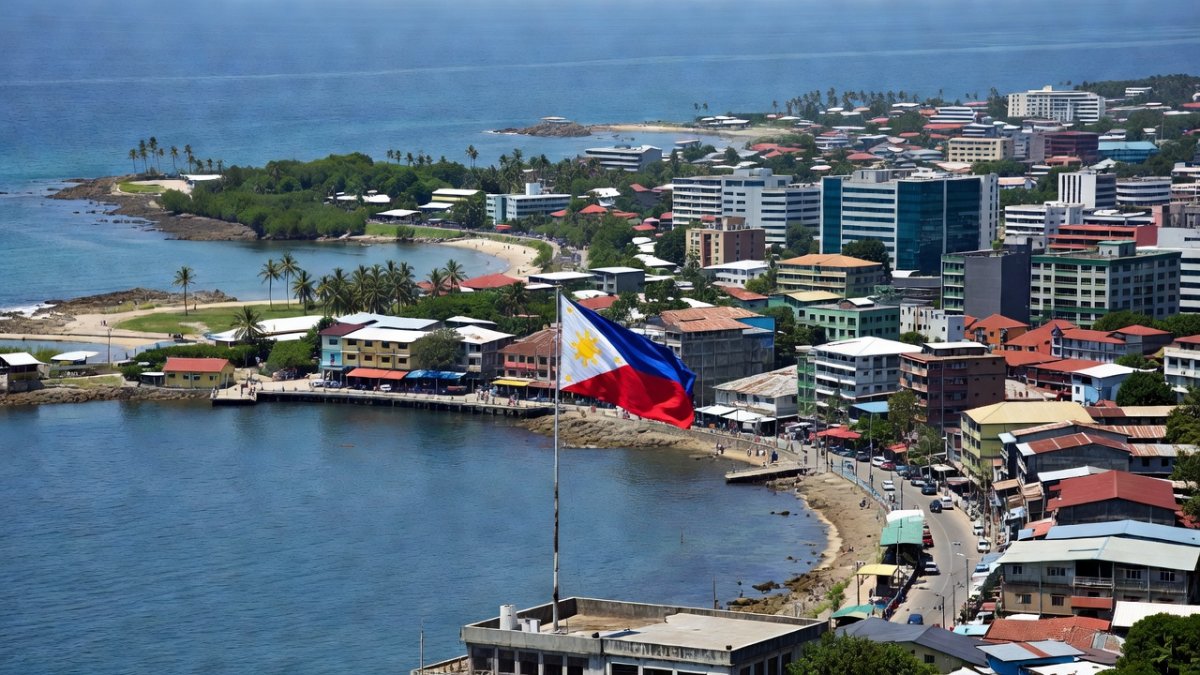
Recent survey results highlight a sharp rise in Filipino distrust toward China, driven by escalating tensions in the West Philippine Sea. With public opinion hardening ahead of key diplomatic milestones, these shifts carry significant weight for national security and foreign relations. The findings underscore how everyday communities are increasingly affected by maritime disputes.
More Filipinos Turning Away from China as Distrust Hits 64%, OCTA Survey Shows
The Rising Tide of Distrust Among Filipinos
The latest OCTA Research survey paints a clear picture of how many in our communities now view China. Conducted from July 4 to 11, 2026, with 1,200 respondents nationwide and a margin of error of plus or minus 3 percent, the poll found that 64 percent of Filipinos expressed distrust toward China. Only 14 percent said they trust the country, while 21 percent remained undecided.
This result comes from a nationwide effort that captures voices from every corner of our archipelago. OCTA Research noted that the findings show more Filipinos moving away from uncertainty and settling into a firmer, increasingly distrustful view of China. For ordinary families in coastal barangays and urban neighborhoods alike, these numbers reflect real worries tied to daily life and national security.
Reversing Trends: From Uncertainty to Firm Views
Distrust has climbed 9 percentage points since March 2026, when it stood at 55 percent. This marks a reversal of an earlier pattern of decline seen in 2024. OCTA Research described the shift as Filipinos moving toward more settled opinions rather than staying undecided.
The change matters because public sentiment in the Philippines often influences how our leaders approach foreign relations. When communities from the poorest households to middle-class families begin to align on a single view, it sends a message that reaches Congress and the halls of Malacañang. The survey highlights how attitudes remain dynamic and closely connected to the salience of the West Philippine Sea in national discourse, as OCTA put it.
West Philippine Sea Tensions Fuel the Shift
Developments in the West Philippine Sea stand at the center of this growing distrust. The survey links the rise directly to recent incidents, including the China Coast Guard assault on a Philippine Navy sailor near Ayungin Shoal. Such events have kept tensions high and brought the issue into living rooms across the country through news and conversations at the sari-sari store.
These waters are not abstract for many Filipinos. They represent the fishing grounds that feed families and the routes that connect our islands. When incidents occur, they ripple outward, affecting not just sailors but the broader sense of safety that communities rely on. OCTA Research emphasized the need for a sustained, credible, and transparent information environment to help shape public opinion on foreign policy and national security issues.
The rise in distrust toward China, now at 64 percent in the July survey compared with 55 percent in March, reflects how recent West Philippine Sea developments have pushed more Filipinos away from uncertainty. OCTA Research noted that respondents are settling into a firmer and increasingly distrustful view, with the Ayungin Shoal incident involving the China Coast Guard cited as a key factor. This shift comes just ahead of the tenth anniversary of the 2016 PCA ruling on the West Philippine Sea, a milestone that continues to shape public awareness of longstanding maritime boundaries and resource rights.
The meeting between US Secretary Rubio and China’s Wang Yi in Manila amid these tensions adds another layer of visibility to the issue. With only 14 percent expressing trust and 21 percent still undecided, the data shows the public responding directly to events that affect daily security in Philippine waters. The survey of 1,200 respondents, conducted July 4-11 with a ±3 percent margin of error, captures this movement at a moment when regional diplomacy is once again centered in the capital.
Who Feels It Most: Breakdown by Class and Education
The distrust cuts across society but shows notable patterns. Among Class E, the poorest Filipinos, 67 percent expressed distrust. Class ABC, covering affluent and middle-income groups, registered 66 percent. Class D, the low and lower-middle income bracket, stood at 63 percent.
Education levels also reveal differences. Those with no formal education or only elementary schooling showed the highest distrust at 69 percent. College and postgraduate respondents followed at 65 percent, high school graduates at 63 percent, and those with vocational training at 60 percent. These figures remind us that concerns about China reach every socioeconomic layer, from jeepney drivers in Manila to farmers in the provinces.
Class E respondents, the poorest group, registered the highest distrust at 67 percent, slightly above the 66 percent among Class ABC and 63 percent among Class D. These figures point to how economic vulnerability amplifies concern over developments that threaten coastal livelihoods and household stability. The pattern holds across education levels as well, with 69 percent distrust among those with no formal education, 65 percent among college or postgraduates, 63 percent among high school graduates, and 60 percent among those with vocational training.
Such breakdowns reveal that the move toward firmer views is not confined to any single segment. Even as information sources vary, the overall increase from 55 percent to 64 percent suggests shared exposure to West Philippine Sea issues across communities. The consistency across classes and education groups underscores how maritime tensions reach households regardless of background, reinforcing a collective sense that uncertainty is giving way to clearer positions.
What This Means for Our Foreign Policy and Relations
Such widespread sentiment carries weight for Philippine foreign policy. Leaders must weigh these views when engaging with partners like the United States and when preparing for high-level meetings involving President Marcos, US officials, and Chinese Foreign Minister Wang Yi. The survey results underscore how public opinion can shape the tone and priorities of these discussions.
Our government institutions, from the Department of Foreign Affairs to local government units, often look to data like this when balancing relations. The findings suggest that any approach to the West Philippine Sea must account for the firming distrust among citizens who feel its effects most directly. This dynamic encourages continued emphasis on transparency so that families and workers can understand the path ahead.
The 64 percent distrust level, up from 55 percent earlier in the year, places public sentiment at the center of ongoing diplomatic activity, including the recent meeting in Manila between US Secretary Rubio and China’s Wang Yi. With the survey released ahead of the tenth anniversary of the 2016 PCA ruling, the findings highlight how West Philippine Sea developments continue to influence the space available for engagement. The Ayungin Shoal incident with the China Coast Guard remains a reference point that keeps these tensions in view.
OCTA Research observed that more Filipinos are moving away from uncertainty toward a firmer stance, a trend that narrows options for officials managing relations with both neighbors and allies. The 14 percent who still express trust and the 21 percent undecided represent remaining room for dialogue, yet the broader shift signals that any approach must account for this settled public attitude. Regional ASEAN dynamics are likewise affected, as Manila’s position reflects domestic sentiment shaped by repeated maritime incidents.
Impact on Everyday Lives: Fisherfolk, OFWs, and Families
Behind the percentages lie stories of real people whose lives intersect with these tensions. Fisherfolk who head out at dawn from coastal barangays now carry extra caution, knowing that incidents near Ayungin Shoal can disrupt their livelihood and the fresh catch that reaches community markets. Their families wait at home, balancing the need to earn with worries passed down through generations of relying on the sea.
Overseas Filipino Workers in regions affected by strained relations also feel the shift. Many send remittances that support sari-sari stores, tricycle operations, and school fees back home. When distrust grows, it can influence how communities discuss opportunities abroad and how they prepare their children for a future tied to stable international ties. The spirit of bayanihan that binds neighbors during fiestas or crises now extends to conversations about protecting our shared waters and ensuring that every Filipino family can plan with greater confidence.
These attitudes do not emerge in isolation. They grow from shared experiences in the barangay, from stories shared during Pasko gatherings, and from the daily reality that national security touches the smallest household decisions. As more Filipinos settle into clearer views, the call for steady leadership and open dialogue becomes louder across our islands.
The increase in distrust to 64 percent carries direct implications for communities whose daily lives depend on access to West Philippine Sea waters. Fisherfolk in coastal barangays near Ayungin Shoal and Scarborough Shoal face restricted fishing grounds tied to the China Coast Guard incident, affecting household income and food security in areas already vulnerable to economic pressure. Class E respondents, showing 67 percent distrust, often include these families whose livelihoods are most immediately tied to maritime boundaries affirmed by the 2016 PCA ruling.
OFWs working in China and Hong Kong represent another side of the relationship, where tensions can influence employment conditions and family remittances. Barangay discussions in affected areas increasingly reference the survey’s findings on how uncertainty has given way to clearer views, with 69 percent distrust among those with no formal education indicating that even limited formal schooling does not shield communities from the effects of these developments. The overall data from the 1,200-respondent survey illustrates how foreign policy outcomes translate into tangible pressures on ordinary households.
By Bella Reyes, Staff Writer
This article was produced with AI-assisted research and editorial support. Reporting is based on sources cited in the article.
What's Your Reaction?
 Like
0
Like
0
 Dislike
0
Dislike
0
 Love
0
Love
0
 Funny
0
Funny
0
 Wow
0
Wow
0
 Sad
0
Sad
0
 Angry
0
Angry
0

Philippines/Southeast Asia Correspondent at Global1.News. Manila-based journalist covering Philippine politics, environment, maritime security, and social issues. Passionate about marine conservation and the communities protecting the Philippines' natural heritage.











Comments (0)