
Post-US-Iran MoU: Strategic Shifts in the Middle East
The signing of the US-Iran Memorandum of Understanding on June 15, 2026, marked a tentative turning point in one of the Middle East's most enduring confrontations. Following American and Israeli strikes in February and a fragile ceasefire in April, the agreement opened pathways for limited diplomatic engagement while leaving core disputes unresolved. Regional actors now navigat
The signing of the US-Iran Memorandum of Understanding on June 15, 2026, marked a tentative turning point in one of the Middle East's most enduring confrontations. Following American and Israeli strikes in February and a fragile ceasefire in April, the agreement opened pathways for limited diplomatic engagement while leaving core disputes unresolved. Regional actors now navigate a landscape defined by cautious optimism and persistent friction.
Leaders across Washington, Tehran, Brussels, and Gulf capitals have issued competing interpretations of the deal's scope. While the MoU promises inspections and Hormuz access, sanctions relief remains conditional. This ambiguity shapes every subsequent development, from maritime fees to cross-border incidents in Lebanon.
Strategic analysts view the agreement less as a comprehensive settlement and more as a framework for managed competition. The coming months will test whether incremental steps can prevent renewed escalation amid shifting alliances and economic pressures.
The Road to the June 2026 MoU
February 28 strikes on Iranian targets set the stage for rapid diplomatic maneuvering. The subsequent April 8 ceasefire created breathing room, yet underlying mistrust lingered between all parties. Pakistan's mediation under Prime Minister Shehbaz Sharif proved instrumental in bridging initial gaps during preliminary talks.
By mid-June, negotiators converged in Switzerland for the formal signing ceremony. The resulting document emphasized verification mechanisms and maritime security without addressing every historical grievance. Observers noted the deliberate vagueness on sanctions as a deliberate compromise to secure signatures.
Former President Obama's caution against attempting to "bomb its way to solutions" resonated in post-signing commentary. The MoU reflected lessons from earlier failed initiatives, prioritizing verifiable steps over sweeping declarations. Regional powers watched closely for signs of durable commitment.
Key Provisions and Divergent Interpretations
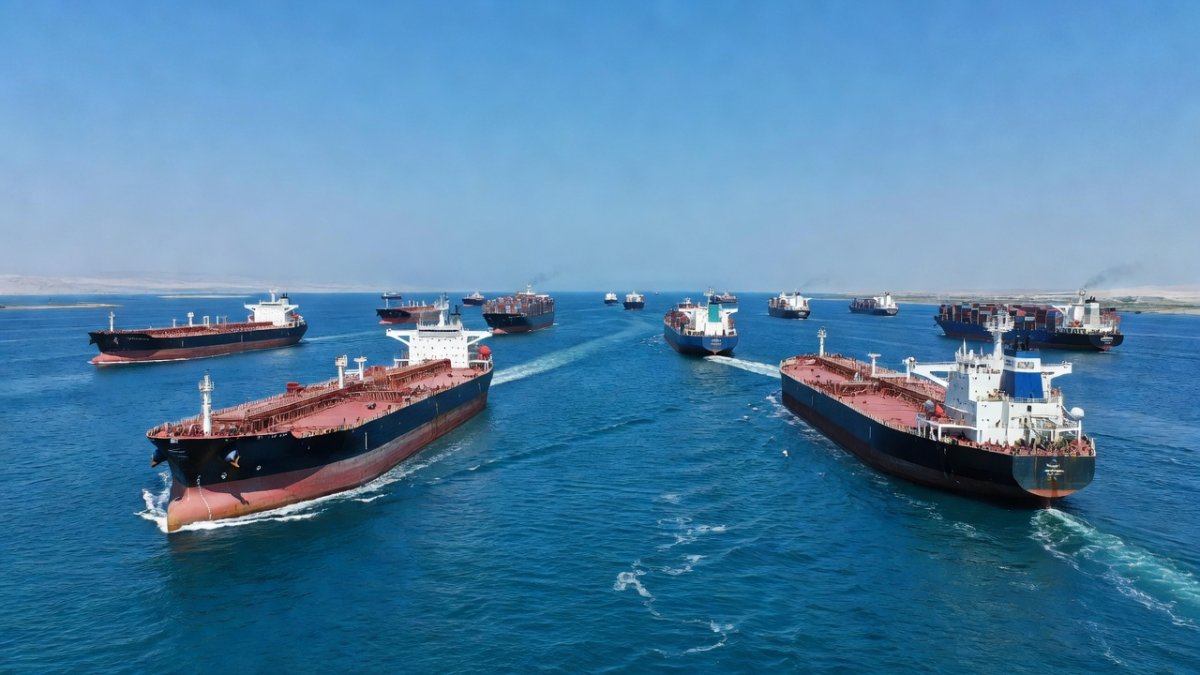
The agreement centers on nuclear inspections, Hormuz Strait reopening, and Iran's reintegration into certain international frameworks. Vice President Vance highlighted these elements as guarantees that Iran would never acquire nuclear weapons. European leaders, however, adopted a more reserved stance.
President Trump stated explicitly that sanctions relief would not occur until Iran fulfilled all obligations. This position aligned with EU Commission President von der Leyen's insistence that European sanctions persist pending "real change of behavior." Iranian officials countered by proposing maritime service fees rather than outright tolls for Hormuz transit.
German Chancellor Merz demanded immediate and unrestricted opening of the strait, underscoring European economic stakes. These contrasting readings illustrate how the same text can support multiple policy trajectories depending on domestic political needs.
Economic Ripple Effects Across Energy Markets
Reopening Hormuz is expected to ease global oil supply concerns and exert downward pressure on prices. Traders have already priced in modest declines, though volatility remains tied to implementation timelines. Gulf producers are monitoring revenue impacts closely.
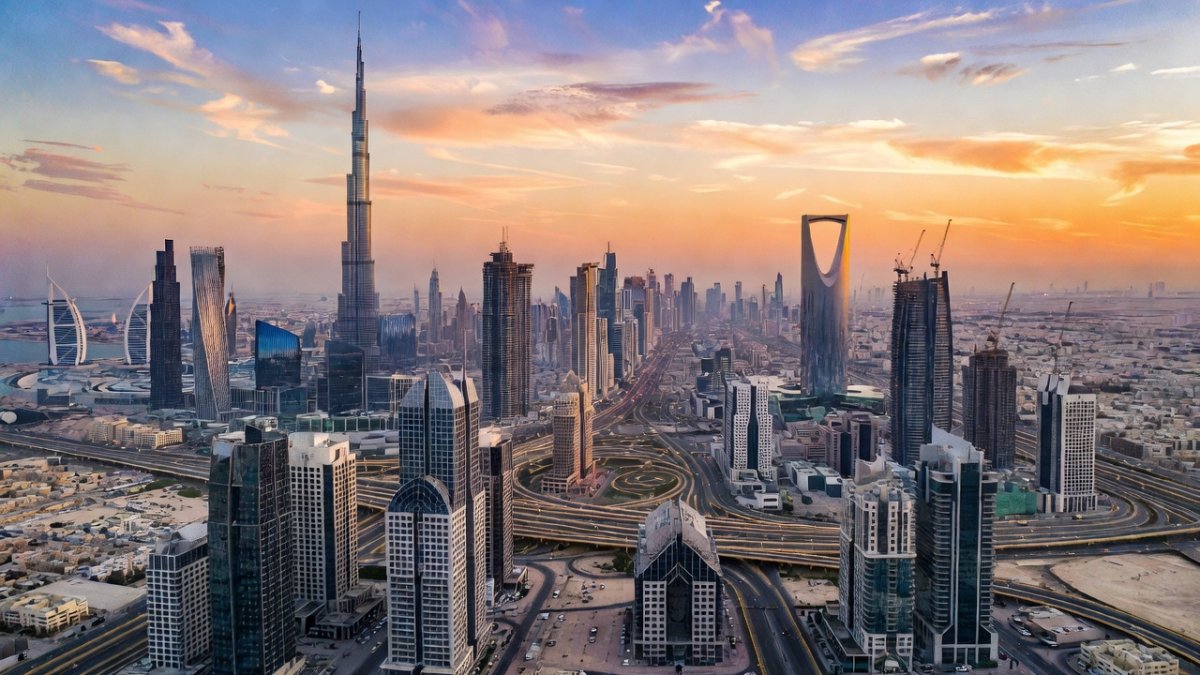
Saudi Arabia and the UAE continue advancing Vision 2030 diversification plans regardless of energy market fluctuations. The MoU may accelerate certain joint projects, yet deep-seated competition with Iran persists in regional influence contests. Abraham Accords partners see opportunities for expanded economic cooperation.
Longer-term forecasts suggest that sustained stability could unlock investment flows previously deterred by sanctions risk. Still, analysts caution that any renewed confrontation would quickly reverse these gains and spike prices once more.
Security Dynamics in Lebanon and Beyond
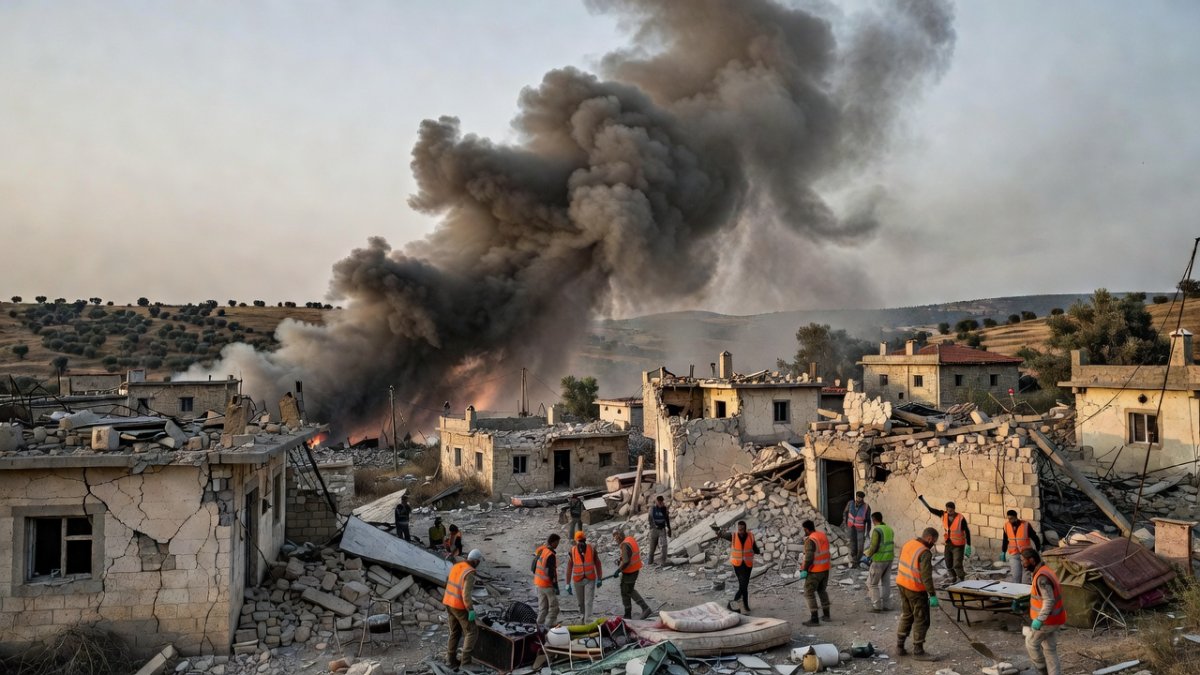
The first deadly incident since the MoU occurred when an Israeli strike killed one person in Lebanon's Kfar Tebnit. This event tested the agreement's ability to contain spillover violence. Both sides issued restrained statements, signaling a shared interest in avoiding escalation.
Border monitoring mechanisms remain underdeveloped, leaving room for miscalculation. Hezbollah's posture and Israeli security calculations continue to influence the fragile calm. Regional mediators are exploring confidence-building measures to reduce recurrence risks.
Broader security architecture discussions now include Hormuz protection guarantees and potential multilateral patrols. Success here could set precedents for other contested waterways and flashpoints.
European and Transatlantic Policy Coordination
The EU's decision to maintain sanctions creates a two-tier sanctions regime alongside Washington. This divergence complicates business planning for European firms eyeing Iranian markets. Coordination meetings between US and EU officials have increased in frequency.
Von der Leyen's emphasis on behavioral change reflects domestic political pressures within Europe. Member states with stronger commercial interests in Iran advocate faster normalization, while others prioritize non-proliferation concerns. The resulting compromise leaves implementation details open to interpretation.
Transatlantic unity on core nuclear restrictions remains intact, yet tactical differences over timing and sequencing could widen if progress stalls. Future summits will likely focus on aligning incentives for Iranian compliance.
Great Power Rivalry and External Actors
Russia and China have adopted watchful postures, offering rhetorical support for the MoU while advancing their own regional interests. Both powers see opportunities to expand influence should Western sanctions ease unevenly. Energy and infrastructure projects remain focal points.
Beijing's Belt and Road initiatives in the Gulf could intersect with any Iranian economic opening. Moscow continues leveraging energy diplomacy to maintain relevance. Neither power appears eager to derail the agreement outright.
Regional states balance engagement with these external actors against traditional security partnerships. The MoU adds another variable to an already complex multipolar environment.
Prospects for Lasting Regional Transformation
Successful implementation could gradually reduce tensions and open space for broader dialogue on missile programs and proxy conflicts. Yet entrenched mistrust and domestic political constraints limit the pace of change. Incremental confidence-building measures appear more realistic than rapid normalization.
Gulf states will continue hedging strategies, deepening ties with multiple powers while pursuing economic diversification. The Abraham Accords framework may expand if Iranian behavior stabilizes, though core Sunni-Shia competition shows little sign of abating soon.
Ultimately, the MoU's legacy will depend on whether parties treat it as a foundation for further agreements or merely a temporary pause. Sustained diplomatic engagement remains essential to prevent reversion to confrontation.
By Malik Hassan, Staff Writer
This article was produced with AI-assisted research and editorial support. Reporting is based on sources cited in the article.
What's Your Reaction?
 Like
0
Like
0
 Dislike
0
Dislike
0
 Love
0
Love
0
 Funny
0
Funny
0
 Wow
0
Wow
0
 Sad
0
Sad
0
 Angry
0
Angry
0

Middle East Correspondent at Global1.News. Based in Beirut, covering politics, conflict, energy, and society across the Middle East. Brings context and depth to a region often reduced to headlines.











Comments (0)