
Peru's Presidential Showdown This Sunday
Peru's Presidential Showdown This Sunday This Sunday, Peruvian voters head to the polls in a contest between right-wing candidate Keiko Fujimori, running for a fourth time, and left-wing candidate Roberto Sánchez. After eight presidents in 10 years, many seek stability amid persistent crime and inequality. Fujimori emphasizes tough-on-crime policies, while Sánchez pushes for ma
Peru's Presidential Showdown This Sunday
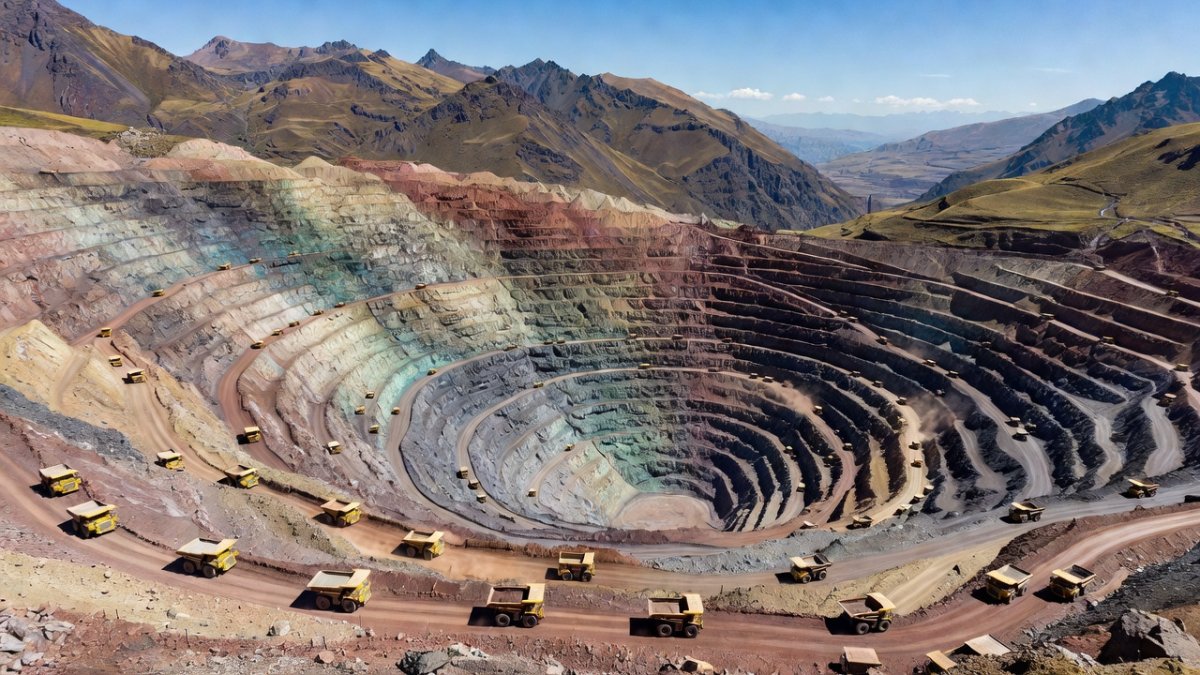
This Sunday, Peruvian voters head to the polls in a contest between right-wing candidate Keiko Fujimori, running for a fourth time, and left-wing candidate Roberto Sánchez. After eight presidents in 10 years, many seek stability amid persistent crime and inequality. Fujimori emphasizes tough-on-crime policies, while Sánchez pushes for major state reforms and higher public spending. These stances directly shape Peru's position as a leading exporter of copper and other critical minerals.
Crime Statistics Fuel Voter Priorities
Public security ranks as a central issue, with nearly 30,000 extortion incidents recorded in 2025 and 239 drivers killed last year. Fujimori has built her campaign around hardline measures and invoked her father Alberto Fujimori, president from 1990 to 2000, whose approach led to his imprisonment for human rights abuses. Under-30s form about a quarter of the electorate, though many protesters express doubt that either candidate will produce meaningful shifts.
Mining Contracts and Resource Control
Peru's economy relies heavily on mineral exports, particularly copper. Fujimori's free-market stance contrasts with Sánchez's plan to review mining contracts, raise certain corporate taxes, increase the minimum wage, and expand state oversight of natural resources. Sánchez maintains that revenues from these operations fail to benefit ordinary citizens or the rural communities where extraction occurs. Fujimori spent nearly a year-and-a-half in pre-trial detention from 2018 to 2020 over campaign financing allegations that were later dropped.
Environmental Justice Stakes for Rural Communities
Decisions on mining oversight will determine whether rural populations gain stronger protections or continue facing uneven distribution of resource wealth. Sánchez's proposals aim to redirect benefits toward communities directly affected by extraction. This outcome carries concrete implications for environmental justice, as contract reviews could alter enforcement standards and local accountability in mining regions.
Regional Parallels Across Latin America
Peru's election reflects wider tensions in Latin America over balancing mineral exports with community rights and environmental safeguards. Similar dynamics appear in Brazil, where debates over IBAMA's regulatory role in Amazon mining highlight conflicts between economic priorities and protections for affected areas. The results here will influence how neighboring countries approach resource governance and equity in extraction zones.
Outlook for Policy Direction
Voters face a clear choice between maintaining current market frameworks and pursuing greater state intervention in natural resources. The winner will set the tone for Peru's mining sector and its engagement with environmental justice concerns that extend throughout the region.
By Elena Vasquez, Staff WriterThis article was produced with AI-assisted research and editorial support. Reporting is based on sources cited in the article.
What's Your Reaction?
 Like
0
Like
0
 Dislike
0
Dislike
0
 Love
0
Love
0
 Funny
0
Funny
0
 Wow
0
Wow
0
 Sad
0
Sad
0
 Angry
0
Angry
0

Latin America Correspondent at Global1.News. Based in Mexico City, covering politics, economics, energy, and culture across the region. Brings an on-the-ground perspective to stories spanning from the Rio Grande to Patagonia.











Comments (0)