
Peru at a Crossroads: Mining Wealth Versus Community Needs in Presidential Election
Peru at a Crossroads: Mining Wealth Versus Community Needs Peru's presidential election has brought environmental justice and resource extraction to the forefront after eight presidents in 10 years as voters seek stability in a nation where mineral wealth often fails to reach communities near extraction sites. The right-wing Keiko Fujimori and left-wing Roberto Sánchez present
Peru at a Crossroads: Mining Wealth Versus Community Needs
Peru's presidential election has brought environmental justice and resource extraction to the forefront after eight presidents in 10 years as voters seek stability in a nation where mineral wealth often fails to reach communities near extraction sites.
The right-wing Keiko Fujimori and left-wing Roberto Sánchez present contrasting visions that directly affect how Peru manages its copper and gold resources while addressing poverty in rural mining areas.
Environmental justice concerns arise because Peru exports critical minerals and metals such as copper yet many communities experience limited benefits from these activities according to campaign statements.
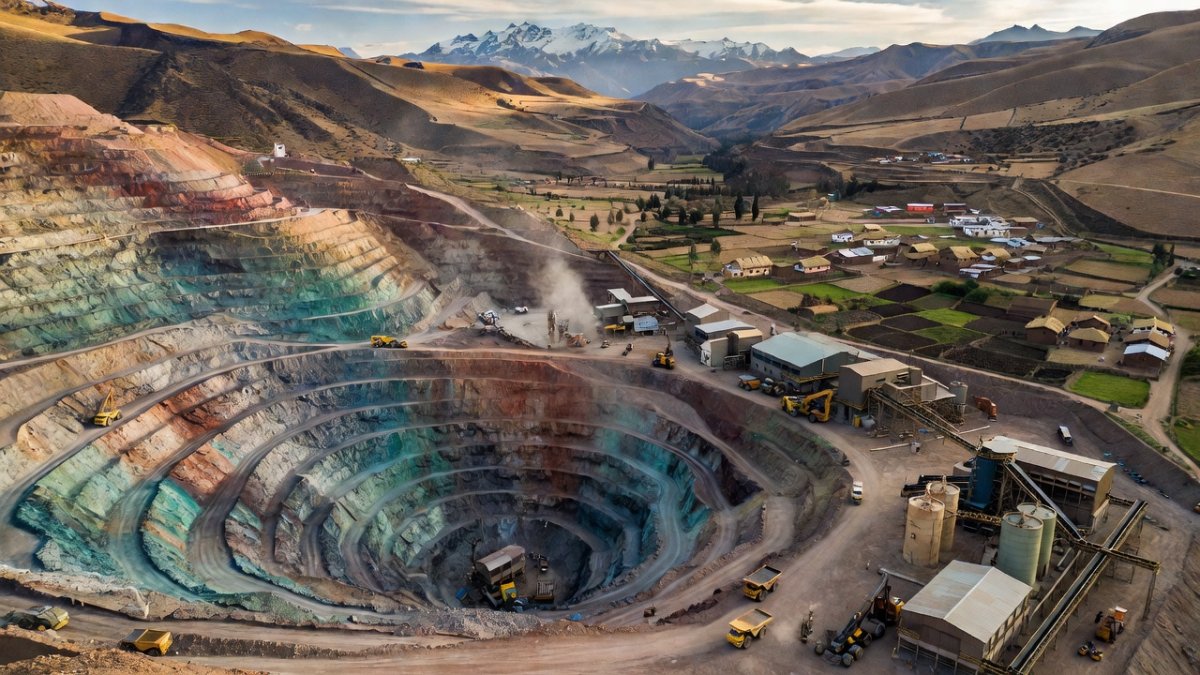
A view of copper mining operations in the Peruvian Andes, where resource extraction exists alongside rural communities that see limited benefits from the country's mineral wealth. (Global 1 News)
The Candidates and Their Environmental Agendas
Keiko Fujimori has defined her campaign with tough-on-crime policies while supporting a free market approach to resource extraction that contrasts with Roberto Sánchez proposals to review mining contracts.
Sánchez has promised sweeping changes to the state and higher public spending including increases to some corporate taxes and a higher minimum wage along with greater state control over natural resources.
These positions from Sánchez have unsettled financial markets while Fujimori spent years under investigation over campaign financing and Sánchez was recently told he could stand trial over alleged undeclared campaign finances from 2018-2020 which he denies.
Copper, Gold, and the Extraction Economy
Peru remains a major exporter of critical minerals and metals such as copper with Fujimori supporters emphasizing her free market approach against Sánchez plans to review mining contracts and increase some corporate taxes.
The extraction economy centers on gold and copper yet no party holds a majority in Peru's congress which shapes how any new policies on resource control might advance if implemented.
Proposals from Sánchez to give the state more control over natural resources highlight ongoing debates about whether current extraction practices deliver stability after years of political turnover.
Voices From the Ground: Communities Left Behind
Sánchez argues that Peru's wealth from natural resources does not reach ordinary people or the often rural communities where mining takes place with supporter María Elena Linares stating that raw material gold and copper goes to other countries while communities experience misery.
Communities near mining sites continue to face gaps between national mineral exports and local poverty levels as the election highlights these disparities in daily economic conditions.
Resource extraction policies proposed by candidates will determine future distribution if implemented with rural areas particularly affected by decisions on taxes and contract reviews.
Youth, Protest, and the Demand for Change
Under-30s make up about a quarter of Peru's electorate and many young people protested last year arguing the state was failing to tackle crime corruption and inequality.
In Lima's suburb of San Juan de Lurigancho criminal gangs extort bus drivers with one driver named Toño shot in the legs and abdomen while an independent observatory recorded 239 drivers killed last year.
These local experiences in urban and rural settings connect to broader demands for change in how the government addresses both security and the management of mineral wealth.
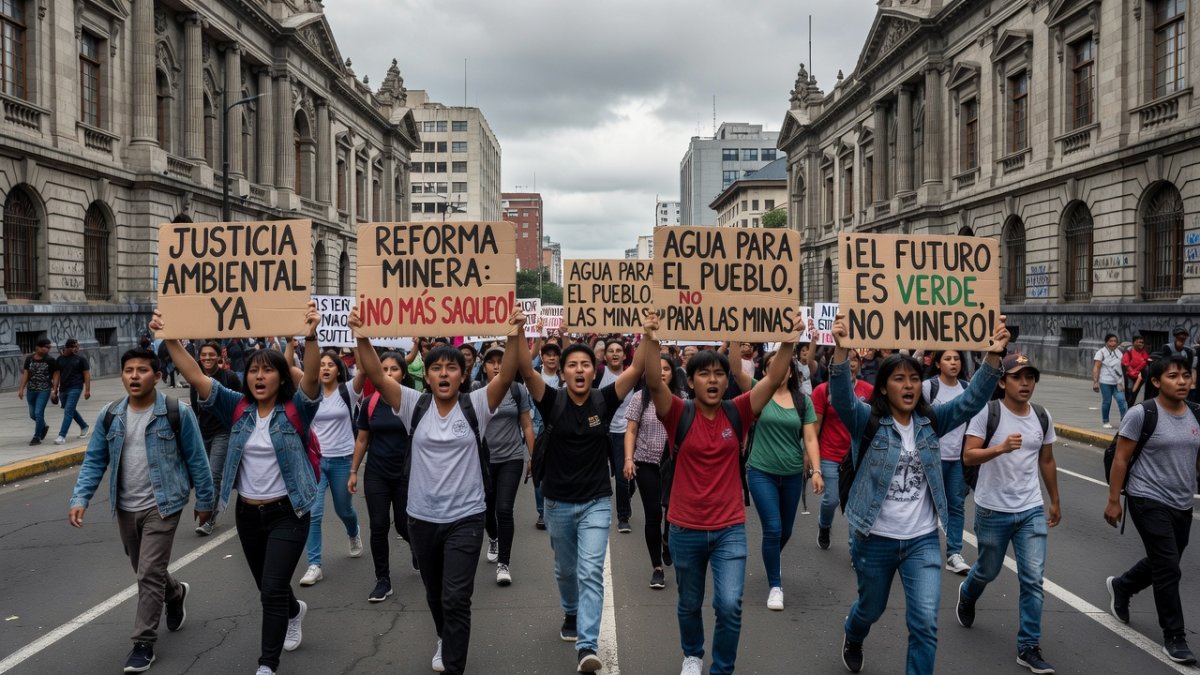
Young Peruvians have taken to the streets demanding accountability on crime, corruption, and inequality, including how the nation's resource wealth is managed. (Global 1 News)
What This Election Means for Latin America
The contest between Fujimori's free market stance and Sánchez proposals for higher public spending and state control over resources reflects regional tensions over extraction economies and community benefits.
With no party holding a majority in congress any shifts in mining contracts or taxes remain proposals expected to face legislative hurdles if the candidates advance their platforms.
Voters across the region watch Peru's outcome for signals on balancing mineral exports with environmental justice in communities near extraction sites after repeated leadership changes.
By Elena Vasquez, Staff Writer
This article was produced with AI-assisted research and editorial support. Reporting is based on sources cited in the article.
What's Your Reaction?
 Like
0
Like
0
 Dislike
0
Dislike
0
 Love
0
Love
0
 Funny
0
Funny
0
 Wow
0
Wow
0
 Sad
0
Sad
0
 Angry
0
Angry
0

Latin America Correspondent at Global1.News. Based in Mexico City, covering politics, economics, energy, and culture across the region. Brings an on-the-ground perspective to stories spanning from the Rio Grande to Patagonia.












Comments (0)