
Peru's Toxic Copper Mines Are Poisoning Children and Leaving Communities in Crisis
In the shadow of Peru's towering Andes, young children in remote mining towns play in dust laced with heavy metals, their small bodies absorbing poisons from copper operations that fuel the global economy. A 12-year-old girl identified only as Z.C.T. died in May 2025 from mining-linked heavy metal poisoning, one of many silent victims in a crisis that has turned communities int
In the shadow of Peru's towering Andes, young children in remote mining towns play in dust laced with heavy metals, their small bodies absorbing poisons from copper operations that fuel the global economy. A 12-year-old girl identified only as Z.C.T. died in May 2025 from mining-linked heavy metal poisoning, one of many silent victims in a crisis that has turned communities into sacrifice zones. Peru, one of the world's top copper producers, now faces urgent scrutiny over how its extractive boom is devastating the next generation.
Peru's Toxic Copper Mines Are Poisoning Children and Leaving Communities in Crisis
Lima, Peru — June 2026 — The crisis deepens as legacy pollution from colonial extraction and 20th-century foreign-financed operations continues to exact a devastating toll on Andean families. Blood lead levels have declined globally where strong regulation exists, such as after the leaded gasoline phase-out, yet Peru's mining regions show no such progress. Remediation is technically possible but expensive and slow, leaving children to bear irreversible neurological damage documented by Source International and Centro Labor. The Defensoría del Pueblo report highlights systemic failures, while Flaviano Bianchini, director of Source International with 18 years of monitoring, has repeatedly called for urgent comprehensive sanitary intervention. Protests, road blockades, and clashes remain frequent as affected communities demand accountability amid surging copper demand.
Specific Health Catastrophe Data
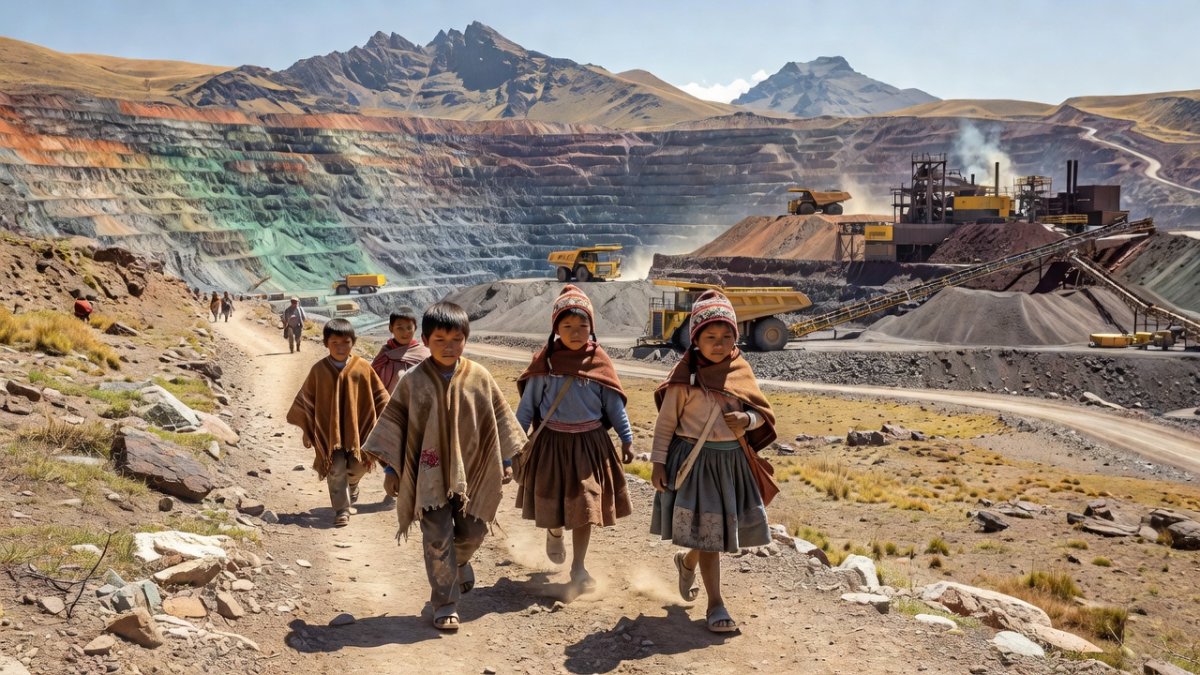
La Oroya stands as one of the most polluted sites in the Americas due to its historic smelting complex. Between 99 and 99.9 percent of tested children under six in La Oroya had elevated blood lead levels, a statistic that reveals the scale of neurological harm. In Cerro de Pasco, a high-altitude mining city dominated by open-pit operations, 83 percent of people exposed to extractive activities are children. These young residents face constant contact with toxic dust and water, leading to documented cases of irreversible neurological damage tracked by Source International and Centro Labor. The Defensoría del Pueblo report confirms widespread exposure across the Pasco region, where mining has operated for generations without adequate safeguards.
Flaviano Bianchini, who has monitored these sites for 18 years, emphasizes that the damage extends beyond lead to arsenic, copper, and mercury accumulation. A 12-year-old girl known as Z.C.T. died in May 2025 from heavy metal poisoning directly linked to nearby operations, underscoring the human cost. March 2024 brought a landmark Inter-American Court of Human Rights ruling that Peru had violated rights to a healthy environment, health, and life. The court ordered remediation, healthcare access, and compensation, yet by May 2024 the Peruvian state had implemented none of the required measures. Blood lead levels have declined globally where strong regulation exists, but Peru's mining zones show persistent failure. Remediation remains technically possible though expensive and slow, leaving families without relief.
What This Means for Latin America
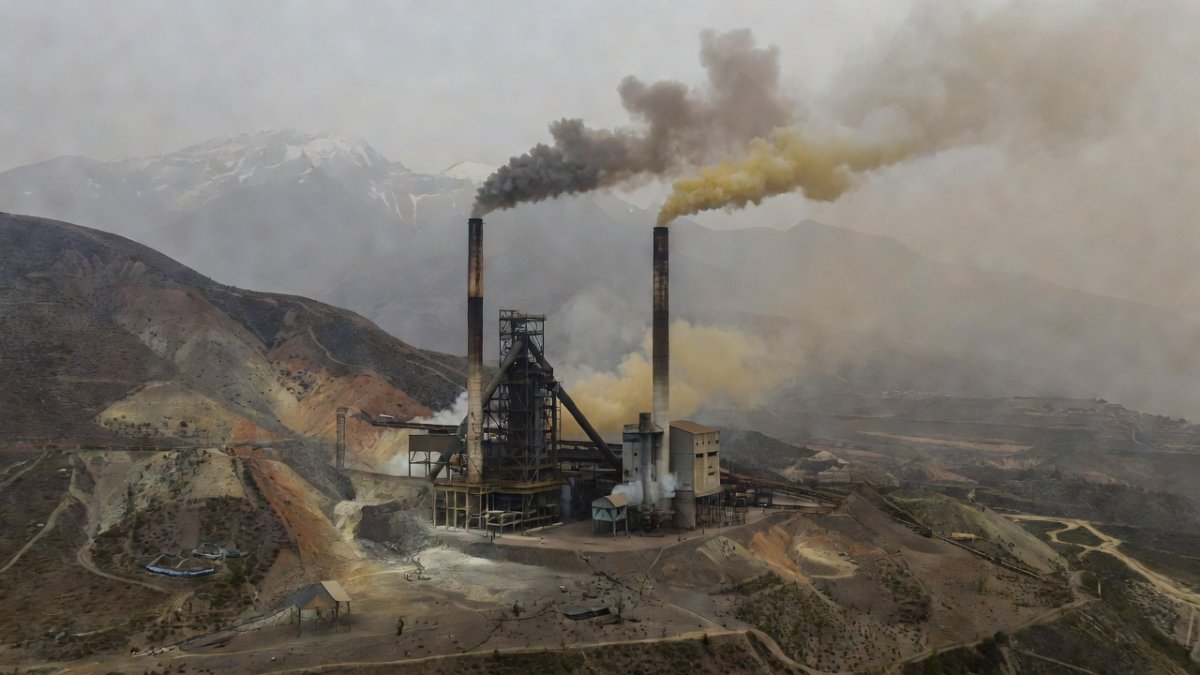
Peru's mining crisis reflects broader patterns across Latin America where extractive industries prioritize export revenues over community health. Legacy pollution traceable to colonial extraction and 20th-century foreign-financed operations has created sacrifice zones from the Andes to the Amazon basin. In Peru, mining generates significant national revenue, yet affected communities see limited benefits while bearing the full weight of contamination. The Inter-American Court ruling exposed how states repeatedly fail to enforce environmental protections, a problem echoed in neighboring countries facing similar gold, silver, and copper operations. Human Rights Watch reporting documents parallel cases of child exposure and inadequate remediation throughout the region.
Critics describe these areas as sacrifice zones where local populations subsidize global mineral supply chains with their health. Flaviano Bianchini's long-term monitoring reveals that neurological damage in children is not isolated but systemic, affecting education, future earnings, and community resilience. The 83 percent child exposure rate in Pasco highlights how entire generations are being shaped by pollution. As Latin American nations push for economic growth through mining, the human costs accumulate without corresponding investment in healthcare or environmental restoration. The failure to implement court-ordered measures signals a regional governance gap that leaves Indigenous and rural families most vulnerable. Stronger regulation elsewhere has lowered blood lead levels globally, proving that political will can reverse trends if applied consistently across the continent.
Corporate Accountability
Major corporations operating in Peru include Glencore at Antapaccay, Anglo American at Quellaveco, and MMG at Las Bambas. These companies extract vast copper reserves while communities report ongoing contamination. Quellaveco has been linked to water scarcity and river contamination with arsenic, copper, lead, and mercury, directly affecting downstream populations. Despite the March 2024 Inter-American Court of Human Rights decision ordering remediation and compensation, none of the mandated steps had been completed by May 2024. Corporate social responsibility programs often emphasize economic contributions while downplaying health data showing 99 to 99.9 percent of young children in La Oroya with elevated blood lead levels.
Flaviano Bianchini of Source International argues that voluntary measures have proven insufficient after 18 years of observation. The Defensoría del Pueblo report further criticizes the lack of enforceable standards that would compel companies to fund comprehensive sanitary interventions. Protests and road blockades continue as residents demand that Glencore, Anglo American, and MMG address irreversible neurological damage documented by independent researchers. Peru's mining generates significant national revenue, yet affected communities see limited benefits, creating a stark imbalance. Legacy pollution from earlier operations compounds current liabilities, and remediation remains technically possible but expensive and slow. Without binding accountability mechanisms, corporations continue operations while children in Cerro de Pasco and La Oroya absorb the costs.
The Green Energy Paradox
Copper demand is surging for electric vehicles and renewables because EVs use three to four times more copper than combustion vehicles. This green transition positions Peru, one of the world's top copper producers, as a critical supplier, yet the environmental and health burdens fall disproportionately on Andean communities. Operations by Glencore, Anglo American, and MMG expand to meet global needs while Quellaveco contributes to river contamination and water scarcity. The paradox lies in how the minerals powering cleaner technologies abroad create sacrifice zones at home, where 83 percent of exposed people in Pasco are children.
Flaviano Bianchini notes that 18 years of monitoring show no meaningful reduction in heavy metal exposure despite rising export volumes. The Inter-American Court ruling highlighted Peru's violations of rights to health and a healthy environment, yet implementation stalled by May 2024. Blood lead levels have declined globally where strong regulation exists, demonstrating that the technology for safer mining is available. However, the rush for copper to support EVs and renewables risks repeating colonial-era extraction patterns without safeguards. Remediation is technically possible but expensive and slow, leaving communities to absorb neurological damage while benefits flow elsewhere. Human Rights Watch reporting underscores how this dynamic undermines claims of a just energy transition across Latin America.
The Bottom Line — What Comes Next
Peru must implement the Inter-American Court orders for remediation, healthcare, and compensation without further delay. Flaviano Bianchini's call for urgent comprehensive sanitary intervention remains unanswered after 18 years of documented harm in La Oroya and Cerro de Pasco. With 99 to 99.9 percent of young children showing elevated blood lead levels and a 12-year-old's death in May 2025, the human cost demands immediate action. Peru's mining generates significant national revenue, yet affected communities continue to see limited benefits amid frequent protests.
Regional cooperation through bodies like the Inter-American system could enforce standards that have already lowered blood lead levels globally where strong regulation exists. Corporations such as Glencore, Anglo American, and MMG must fund independent monitoring and cleanup rather than relying on voluntary pledges. The green energy paradox requires that copper extraction for EVs and renewables no longer creates new sacrifice zones. Remediation is technically possible but expensive and slow, so sustained political commitment is essential. Without decisive steps, more children will suffer irreversible neurological damage while the world benefits from Peru's copper wealth.
By Elena Vasquez, Staff Writer
**Keywords:** Peru copper mining, La Oroya pollution, Cerro de Pasco children, heavy metal poisoning, Glencore Anglo American MMG, Inter-American Court ruling, green energy copper demand, sacrifice zones Latin America, child health crisis Peru, mining remediation PeruThis article was produced with AI-assisted research and editorial support. Reporting is based on sources cited in the article.
What's Your Reaction?
 Like
0
Like
0
 Dislike
0
Dislike
0
 Love
0
Love
0
 Funny
0
Funny
0
 Wow
0
Wow
0
 Sad
0
Sad
0
 Angry
0
Angry
0

Latin America Correspondent at Global1.News. Based in Mexico City, covering politics, economics, energy, and culture across the region. Brings an on-the-ground perspective to stories spanning from the Rio Grande to Patagonia.












Comments (0)