
KIMS Secunderabad Hits 10,000 Brain Tumour Surgeries
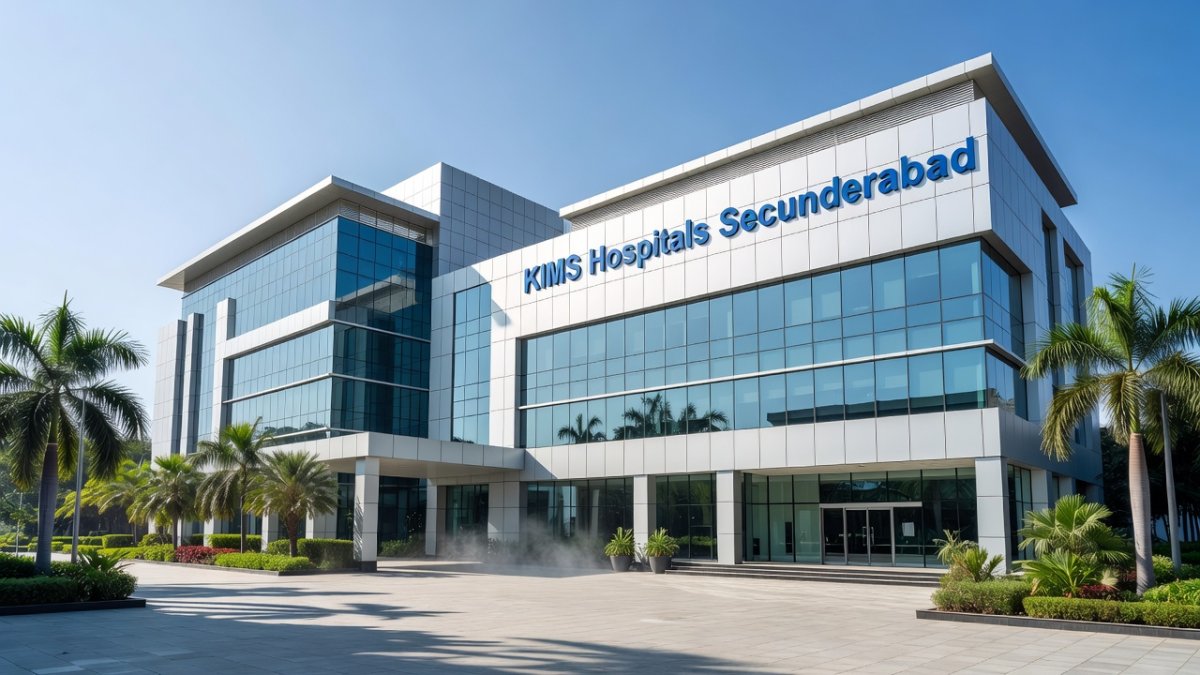
KIMS Hospitals in Secunderabad has completed more than 10,000 brain tumour surgeries, a milestone announced on World Brain Tumour Day, June 7, 2026. Nearly 10 percent of these procedures involved children, highlighting brain tumours as one of the most common childhood cancers in India. This achievement comes as Indian healthcare grapples with rising neurological cases linked to
KIMS Hospitals in Secunderabad has completed more than 10,000 brain tumour surgeries, a milestone announced on World Brain Tumour Day, June 7, 2026. Nearly 10 percent of these procedures involved children, highlighting brain tumours as one of the most common childhood cancers in India. This achievement comes as Indian healthcare grapples with rising neurological cases linked to lifestyle factors and limited early-detection protocols.
KIMS Secunderabad Surpasses 10,000 Brain Tumour Surgeries: Call for Routine Brain Scans in Indian Health Check-ups
Hyderabad, Telangana – June 8, 2026 — KIMS Hospitals, Secunderabad, part of the Krishna Institute of Medical Sciences group, announced the completion of over 10,000 brain tumour surgeries on World Brain Tumour Day. The milestone reflects sustained clinical volume in a single centre and coincides with the introduction of advanced tools aimed at improving precision in neurosurgical care across India.
Precision Tools Introduced at Milestone Event
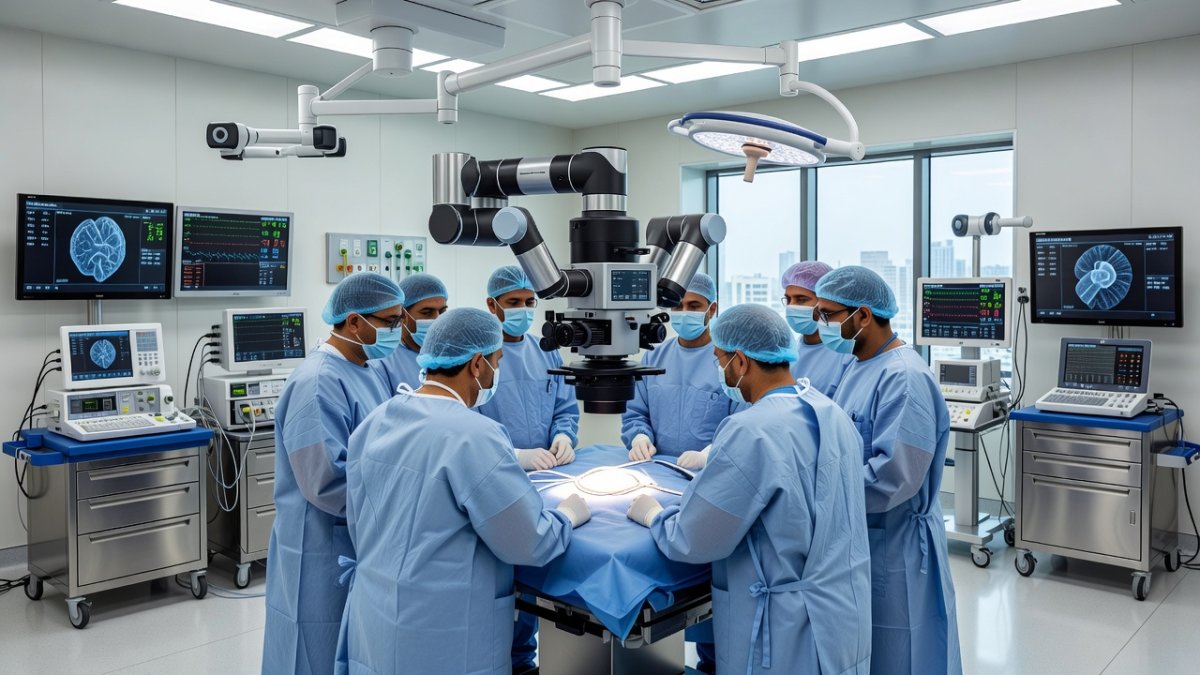
Dr B Bhaskar Rao, CMD of KIMS Group, unveiled a Robotic Digital Microscope during the event, providing high-definition clarity to differentiate healthy brain tissue from tumour margins. The hospital already offers Gamma Knife Radiosurgery for non-invasive treatment of select lesions. These additions address the technical demands of complex cases while supporting shorter recovery times for patients who travel from across India and neighbouring states.
Early Warning Signs and Diagnostic Gaps
Dr Manas Kumar Panigrahi, Senior Consultant Neurosurgeon, identified persistent morning headaches as a key early warning sign. He noted that routine health check-ups in India commonly include cardiac scans yet routinely omit brain imaging. This omission delays diagnosis, particularly when symptoms such as progressive headaches, vomiting, blurred vision, seizures, limb weakness, slurred speech or memory loss appear, as outlined by Dr Shwetha. Policy adjustments to incorporate baseline brain scans could shift detection earlier, reducing the proportion of advanced-stage presentations seen in Indian hospitals.
Childhood Cases and Lifestyle Factors
Of the 10,000 surgeries, nearly 1,000 were performed on children, underscoring that brain tumours rank among the leading childhood cancers in India. Dr B Bhaskar Rao linked rising cases in younger patients to modern lifestyle elements including prolonged smartphone and laptop use, earphone exposure and sedentary habits. These observations align with broader Indian data showing increasing neurological consultations among urban youth, prompting calls for school-based awareness and regulated screen-time guidelines.
Event Participation and Public Engagement
The announcement drew senior neurosurgeons including Dr Chandrasekhar Naidu, Dr Sujith Kumar, Dr Vijayanth, Dr Gopal Krishna and Dr CVS Dasaradhi. A children’s painting competition formed part of the day’s activities, aimed at reducing stigma around neurological conditions. Such outreach complements clinical milestones by fostering community understanding of symptoms and treatment options available within India’s tertiary-care network.
The Bottom Line
With more than 10,000 brain tumour surgeries completed and new robotic visualisation tools now operational, KIMS Secunderabad demonstrates scalable neurosurgical capacity. Incorporating brain imaging into standard Indian health check-ups, alongside continued investment in precision technologies such as Gamma Knife, offers a clear pathway to earlier intervention and improved survival. These steps directly support national goals of reducing cancer-related morbidity through timely, technology-enabled care.
— By Dr. Raj Patel, Staff Writer
This article was produced with AI-assisted research and editorial support. Reporting is based on sources cited in the article.
What's Your Reaction?
 Like
0
Like
0
 Dislike
0
Dislike
0
 Love
0
Love
0
 Funny
0
Funny
0
 Wow
0
Wow
0
 Sad
0
Sad
0
 Angry
0
Angry
0

India/South Asia Correspondent at Global1.News. Analytical voice with a background in science and health journalism. Based in New Delhi, covering Indian politics, education, healthcare, technology, and policy. Breaks down complex data into clear, actionable reporting.













Comments (0)