
P.E.I. Potato Planting Delayed by Wet Spring, New Crop Thrives
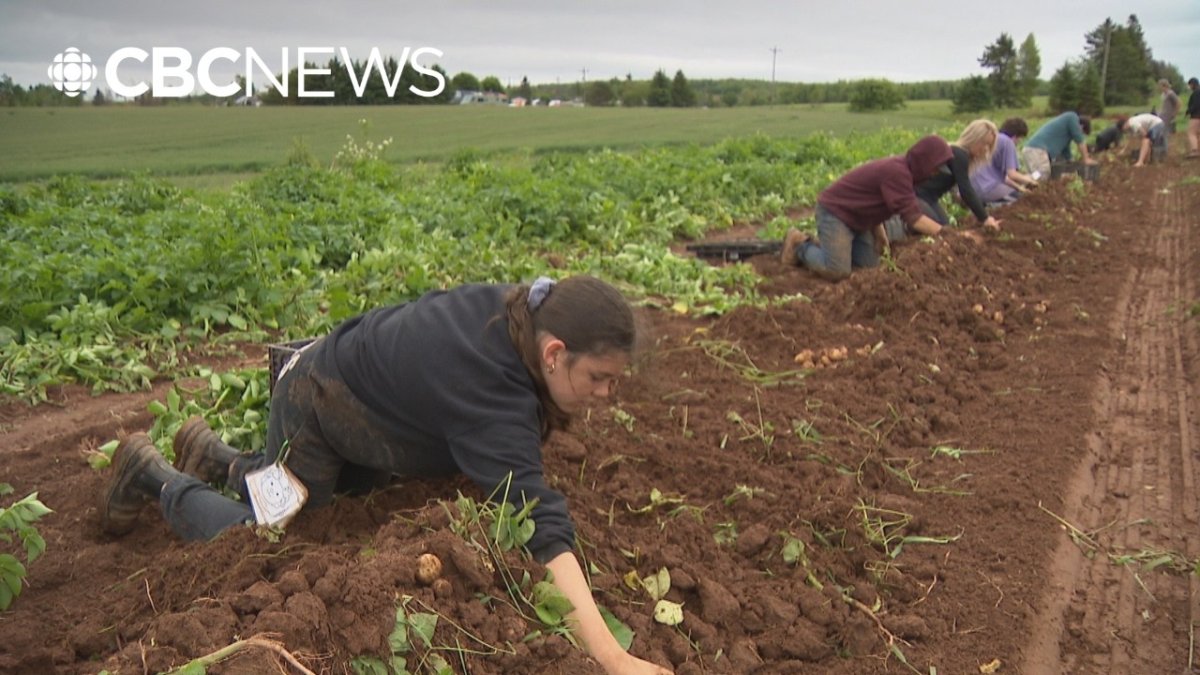
In a recent CBC News report, correspondent Nancy Russell travelled to Prince Edward Island to document a growing season unlike any other in recent memory. A soggy spring across the island's famed potato-growing regions has delayed planting for many producers, yet one segment of the industry — new potatoes — is thriving despite the challenging conditions. The story offers a wind
In a recent CBC News report, correspondent Nancy Russell travelled to Prince Edward Island to document a growing season unlike any other in recent memory. A soggy spring across the island's famed potato-growing regions has delayed planting for many producers, yet one segment of the industry — new potatoes — is thriving despite the challenging conditions. The story offers a window into the resilience of Canadian agriculture and the uneven effects of weather on different parts of the food supply chain.
Delayed Planting and a Booming Crop: P.E.I. Potatoes in 2026
Charlottetown, Prince Edward Island — A cool, wet spring has slowed the usual pace of potato planting across the early planting belt in southeastern Queens County. The stop-and-start weather in April kept growers out of the fields longer than normal, though recent warmer temperatures have allowed work to resume. Potatoes remain the province's most important crop and the foundation of its agricultural economy.
Statistics Canada data show P.E.I. potato production fell 15.9 per cent in 2025 to 21.8 million hundredweight, the largest drop recorded among Canadian provinces. Mark Phillips, marketing specialist with the P.E.I. Potato Board, confirms the province entered 2026 down roughly 16 per cent in total output compared with prior years as a result of the drought- and heat-affected 2025 harvest.
New Potatoes Show Strong Market Growth
While overall planting faces delays, the new-potato segment is expanding rapidly. Early-season baby potatoes have found strong consumer demand, offsetting some of the pressure on later-maturing varieties. Growers in the southeastern Queens County area report that recent field conditions now support steady progress on these shorter-cycle crops, which require less time in the ground and can reach markets before the main harvest.
The contrast between struggling main-crop planting and booming new-potato sales highlights how weather patterns affect different parts of the industry unevenly. Producers in this category hold an advantage during a compressed season because their crop turns over faster, allowing them to capitalise on early-season market windows that longer-cycle growers cannot.
Rising Costs Deepen Pressure on Growers
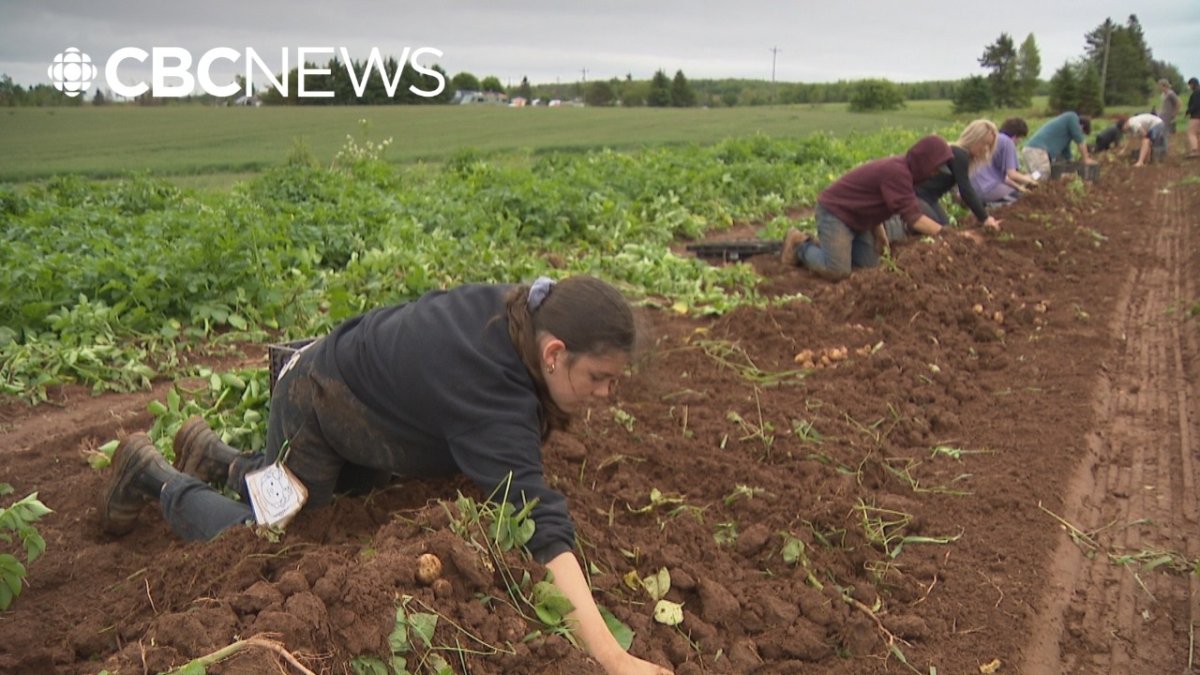
Lower inventories carried over from the 2025 drought- and heat-affected harvest have tightened supplies and pushed input costs higher. Fertiliser, fuel and seed prices remain elevated as growers prepare fields across P.E.I.'s distinctive red soil regions. These factors compound the challenge of a late start to planting, squeezing margins for producers already operating on thinner buffers than in previous years.
Reports from PEI Canada and Island Farmer note that the combination of reduced 2025 stocks and higher expenses creates a tighter margin environment for many operations. The province's role as Canada's largest potato producer — supplying fresh, processing and seed potatoes to markets across the country and abroad — means these cost pressures ripple through national supply chains, affecting buyers from grocery retailers to french fry processors.
Why P.E.I. Potatoes Matter to Canada
P.E.I.'s potato sector anchors both provincial and national food production. The island's farms supply a significant share of Canada's fresh, processing and seed potatoes, supporting jobs in farming, transportation and processing facilities from Charlottetown to western markets. Any sustained reduction in output affects availability and pricing for Canadian consumers and exporters alike.
The red soil and maritime climate that give P.E.I. potatoes their distinctive reputation also make the crop sensitive to spring rainfall patterns. This year's cool, wet conditions illustrate how climate variability directly influences planting schedules and final yields in one of the country's key agricultural zones, raising longer-term questions about adaptation strategies for growers facing more unpredictable weather.
Industry Outlook as Fields Catch Up
With warmer weather now in place, growers are working to complete planting before critical deadlines. The P.E.I. Potato Board continues to monitor progress across all varieties, with particular attention on whether the new-potato surge can help stabilise farm revenues through what is shaping up to be a challenging season. Industry observers expect harvest timing to shift later than average for many main-crop fields.
Canadian buyers and processors will watch P.E.I. developments closely in the coming weeks, given the province's central position in national potato supply. The current season demonstrates both the resilience of certain market segments — particularly the thriving new-potato category — and the ongoing risks posed by weather variability and rising input costs across the sector.
By Alex Thompson, Staff Writer
This article was produced with AI-assisted research and editorial support. Reporting is based on sources cited in the article.
What's Your Reaction?
 Like
0
Like
0
 Dislike
0
Dislike
0
 Love
0
Love
0
 Funny
0
Funny
0
 Wow
0
Wow
0
 Sad
0
Sad
0
 Angry
0
Angry
0

Canada Correspondent at Global1.News. Based in Toronto, covering Canadian politics, energy, trade, and US-Canada relations. Provides the Canadian perspective on North American and global affairs.













Comments (0)