
Israel-Lebanon Framework Agreement Tested as Residents Return South
In a recent i24NEWS report titled "Israel-Lebanon framework agreement tested as Lebanese residents return south," footage showed Lebanese civilians crossing checkpoints near the border to inspect damaged homes in villages south of the Litani River, marking the first practical test of the June 26, 2026, deal signed in Washington D.C. Framework Agreement Faces Early Test in South
Framework Agreement Faces Early Test in Southern Lebanon
The Israel-Lebanon framework agreement was signed on June 26, 2026, in Washington D.C. by representatives of Israel, Lebanon, and the United States. US Secretary of State Marco Rubio joined Israel's Ambassador to the US Yechiel Leiter and Lebanon's ambassador to announce the 14-point document.
The agreement explicitly links any Israeli withdrawal from southern Lebanon to the disarmament of Hezbollah and other non-state armed groups. It designates two pilot zones in southern Lebanon where the Lebanese Armed Forces will assume security duties first, allowing initial returns of displaced civilians.
More than 1.2 million Lebanese have been displaced since March 2026, while over 4,000 people in Lebanon have been killed in Israeli strikes. On the Israeli side, more than 30 citizens have died, mostly soldiers, in clashes along the northern border.
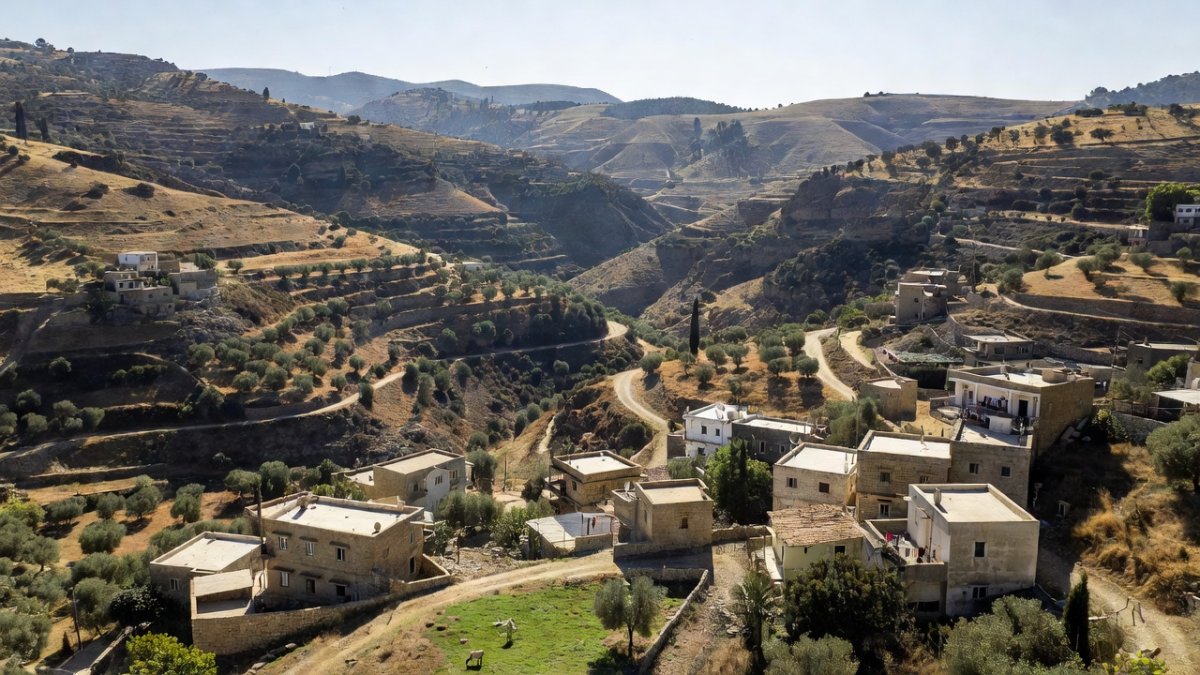
On the Ground — What the Framework Agreement Entails
The deal requires the Lebanese Armed Forces to deploy in southern Lebanon to restore security and enable the safe return of civilians. It also mandates that both Lebanon and Israel recognize the need to protect Israel's northern communities from rocket fire and infiltration.
Israeli forces will initially pull back from the two designated pilot zones, with the Lebanese Armed Forces taking over security responsibilities. The framework prohibits any funds from reaching non-state armed groups operating in Lebanon.
Lebanese residents have begun returning cautiously to villages near the border to assess their homes, directly testing whether the Lebanese Armed Forces can maintain control without renewed clashes.
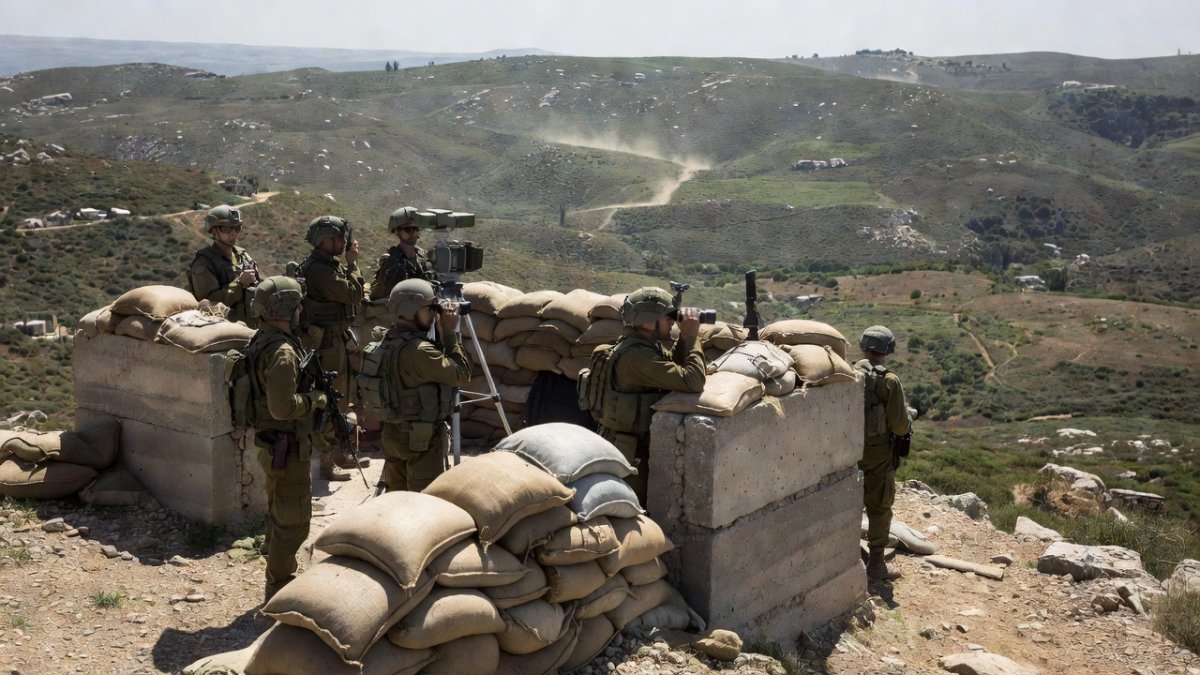
Hezbollah's Rejection and Lebanese Reactions
Hezbollah leader Naim Kassem rejected the framework agreement as a humiliation and stated that the group would continue fighting. Hezbollah official Hassan Fadlallah warned that the deal could trigger civil war inside Lebanon.
Supporters of Hezbollah protested in the streets of Beirut immediately after the Washington announcement. Judge Ahmed Rami al-Hajj, Lebanon's top public prosecutor, directed security agencies to implement measures preventing riots in the capital and other cities.
The agreement's ban on funding non-state armed groups directly targets Hezbollah's financial networks, a point that has fueled internal Lebanese divisions over implementation.
Israeli Perspective and Security Calculus
Israeli Prime Minister Benjamin Netanyahu stated that Israeli forces will remain in southern Lebanon until Hezbollah and other terrorist organizations are fully disarmed. Defense Minister Israel Katz instructed the military to prepare for an extended stay in the area.
Israeli Ambassador to the US Yechiel Leiter described the framework as having put the train back on the tracks and moving in the right direction. The IDF has maintained positions near the border while monitoring Lebanese Armed Forces deployments in the pilot zones.
Security officials in Jerusalem emphasize that any premature withdrawal risks renewed attacks on communities in northern Israel, including those in the Galilee and near the Golan Heights.
Regional Implications and What Comes Next
The framework agreement connects directly to broader regional dynamics involving Iran-backed groups, with Hezbollah's rejection raising questions about enforcement across the border region. The Lebanese Armed Forces now face the task of asserting control in areas long influenced by Hezbollah.
Both Israeli and Lebanese officials have expressed doubts that the deal will hold without sustained international pressure. The United States continues to monitor compliance through diplomatic channels established in Washington.
Daily life for residents on both sides of the border remains disrupted, with Israeli communities in the north still under evacuation orders and Lebanese families navigating damaged infrastructure in the south. Further withdrawals hinge on verifiable disarmament steps by Hezbollah in the coming weeks.
By Hannah Berg, Staff WriterThis article was produced with AI-assisted research and editorial support. Reporting is based on sources cited in the article.
What's Your Reaction?
 Like
0
Like
0
 Dislike
0
Dislike
0
 Love
0
Love
0
 Funny
0
Funny
0
 Wow
0
Wow
0
 Sad
0
Sad
0
 Angry
0
Angry
0
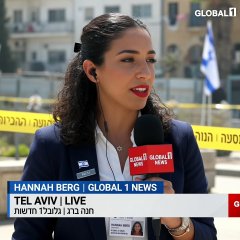
Israel Correspondent at Global1.News. Based in Tel Aviv, covering Israeli politics, security, technology, and society. Provides balanced, deeply-sourced reporting on one of the most closely-watched regions in the world.













Comments (0)