
Operation Global Chain Exposes Trafficking Networks Affecting Latin America
Operation Global Chain Exposes Trafficking Networks Affecting Latin America In recent days, coordinated international efforts have brought renewed attention to human trafficking routes that directly impact communities across Latin America. Operation Global Chain, involving police actions in 59 countries, resulted in more than 1,000 arrests and the identification of 2,070 victim
Operation Global Chain Exposes Trafficking Networks Affecting Latin America
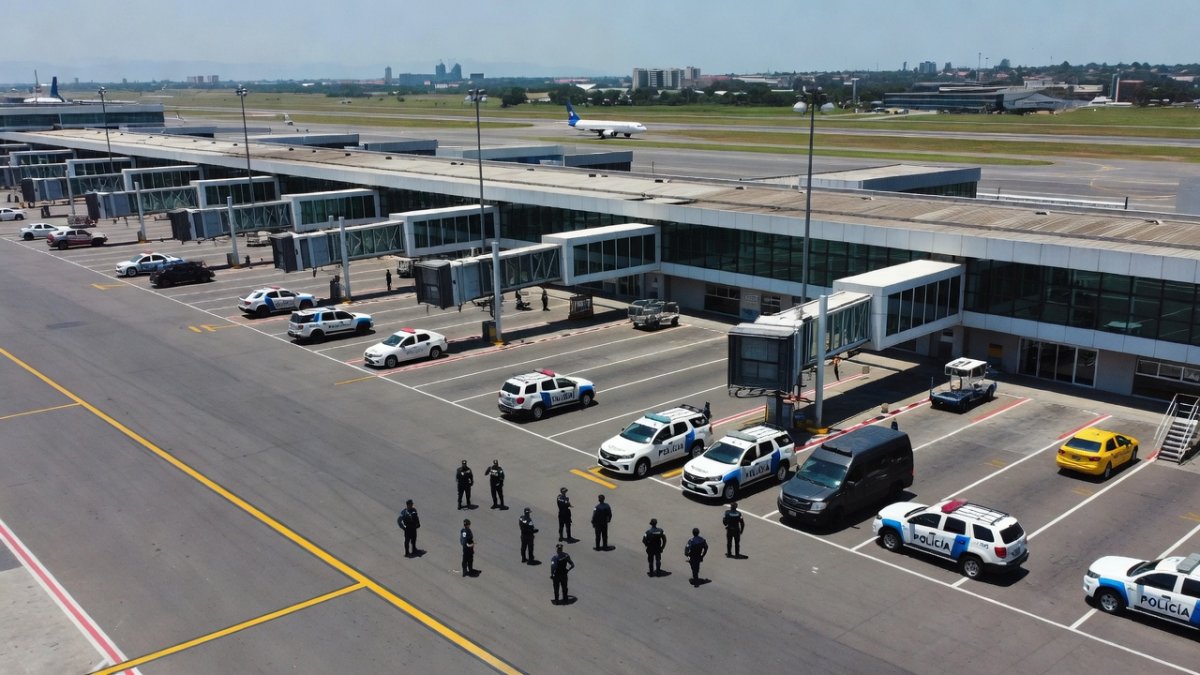
In recent days, coordinated international efforts have brought renewed attention to human trafficking routes that directly impact communities across Latin America. Operation Global Chain, involving police actions in 59 countries, resulted in more than 1,000 arrests and the identification of 2,070 victims or potential victims. The vast majority were women, with authorities noting that most cases involved sexual exploitation. This operation, running from 8 to 12 June and involving 40,000 officers, dismantled specific networks that preyed on vulnerable populations from the Americas.
Brazil's Federal Police played a central role by identifying 406 victims tied to a transnational network sending people to Cambodia for forced online scamming. Of these, 83 were Brazilian nationals and 323 were foreign nationals exploited within the scheme. The findings underscore how economic pressures in Brazilian cities and rural areas continue to create openings for recruiters promising overseas opportunities that turn into exploitation.
Brazil's Federal Police Disrupt Route to Cambodia Scams
Brazil's Federal Police actions during the operation revealed the scale of a network funnelling victims into online criminal activity in Cambodia. Authorities there confirmed the victims faced coercion into scamming operations, a method that has grown in recent years. Interpol notices have now been issued for wanted suspects connected to this route, allowing further tracking across borders.
The involvement of Brazil's Federal Police highlights the agency's focus on transnational cases that begin with fraudulent job offers. Many victims originated from regions where limited local employment options push individuals toward risky migration decisions. Referrals to support services followed the identifications, though long-term outcomes depend on sustained national protections.
Latin American Victims Face Rising Forced Labour Risks in Europe
Interpol reported an emerging trend of Latin American victims being trafficked for forced labour in Europe, with about 10 percent of identified victims being minors from the Americas subjected to sexual exploitation. This shift in routes shows traffickers adapting methods to target individuals from countries including Brazil, Colombia, and others amid ongoing economic instability at home.
Countries across the Americas participated alongside European partners, revealing how poverty and inadequate job protections in places like Brazilian states and Colombian departments leave young people open to social media recruitment. The data from the operation indicates 20 percent of all victims were forced into criminality, 11 percent into labour, and 2 percent into begging, patterns that extend beyond traditional sexual exploitation cases.
Colombia Launches Airport Awareness Efforts Against Fraudulent Offers
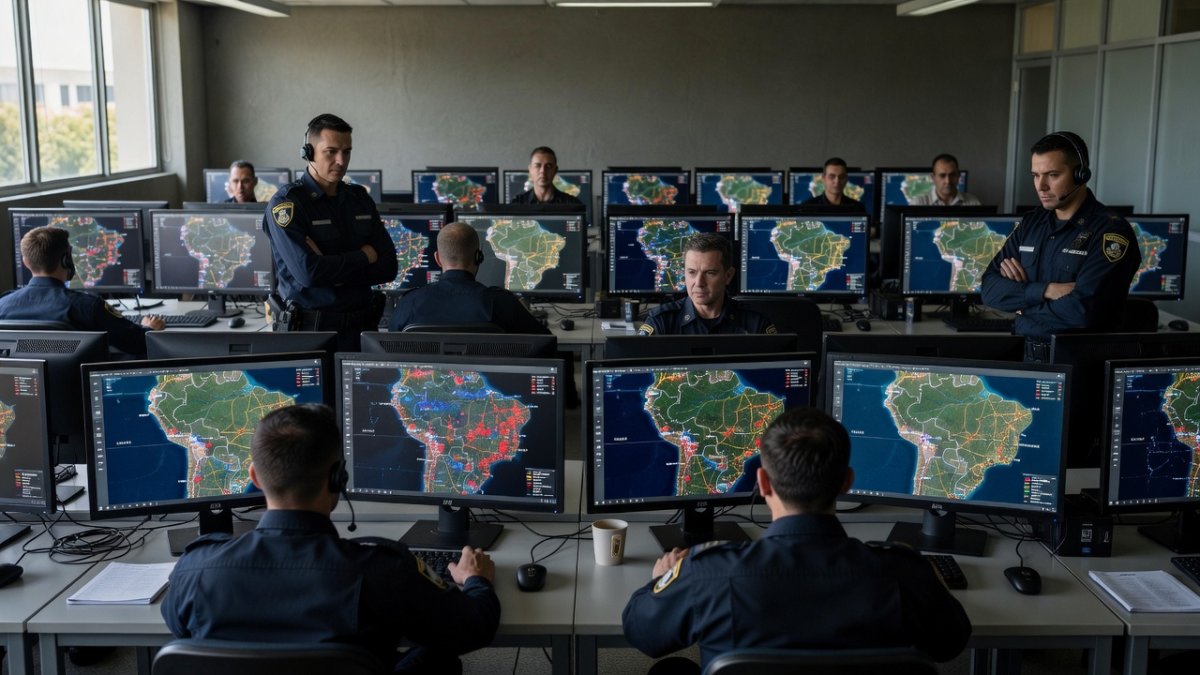
As part of the broader operation, Colombian authorities initiated an airport prevention campaign to warn travellers about the dangers of fraudulent job offers abroad. This effort targets departure points where individuals from various regions might encounter recruiters promising work in Europe or Asia that leads to exploitation.
The campaign connects directly to daily realities in Colombian communities where economic uncertainty drives migration. By focusing on airports, officials aim to interrupt the initial stages of trafficking before victims leave the country, complementing actions by agencies such as the Ministry of Environment and other national bodies that address root vulnerabilities in rural and urban areas alike.
Argentinian Police Rescue Bolivian Children Forced into Labour
Argentinian police rescued two Bolivian child victims who had been forced to work in a grocery store, leading to arrests in that case. This incident illustrates cross-border trafficking patterns within South America, where children from Bolivia face exploitation in neighbouring countries due to weak enforcement and family economic hardships.
Such rescues during the operation demonstrate the value of regional cooperation. They also point to the need for stronger safeguards in border areas and sending communities, where poverty often intersects with limited access to education and legal protections, leaving minors particularly exposed to traffickers operating across Argentina, Bolivia, and beyond.
Urquiza Emphasises Need for Sustained Regional Cooperation
Interpol Secretary Valdecy Urquiza stated that human trafficking remains one of the most profitable and pervasive forms of organised crime, generating billions in illicit revenue each year. He noted the crime causes severe and lasting harm to victims, adding that the operation's results demonstrate what can be achieved when countries work together to disrupt criminal networks and strengthen cooperation across regions.
With 465 investigations launched and 201 additional suspects identified, the findings from Operation Global Chain provide concrete leads for agencies including Brazil's Federal Police and counterparts in Colombia and Argentina. Victims have been referred to national protection services, yet the persistence of these networks calls for ongoing attention to the economic and social conditions that sustain trafficking in Latin American societies.
By Elena Vasquez, Staff WriterThis article was produced with AI-assisted research and editorial support. Reporting is based on sources cited in the article.
What's Your Reaction?
 Like
0
Like
0
 Dislike
0
Dislike
0
 Love
0
Love
0
 Funny
0
Funny
0
 Wow
0
Wow
0
 Sad
0
Sad
0
 Angry
0
Angry
0

Latin America Correspondent at Global1.News. Based in Mexico City, covering politics, economics, energy, and culture across the region. Brings an on-the-ground perspective to stories spanning from the Rio Grande to Patagonia.















Comments (0)