
Netanyahu Claims Lebanese Christian Villages Sought Annexation by Israel
In a recent i24NEWS report, Israeli Prime Minister Benjamin Netanyahu stated during a Fox News interview that Christian villages in southern Lebanon had requested annexation by Israel to gain protection from Hezbollah. The claim, made on July 5, 2026, immediately triggered sharp rebuttals from local Lebanese officials in border communities such as Rmeish, Debel, and Qlayaa. Net
In a recent i24NEWS report, Israeli Prime Minister Benjamin Netanyahu stated during a Fox News interview that Christian villages in southern Lebanon had requested annexation by Israel to gain protection from Hezbollah. The claim, made on July 5, 2026, immediately triggered sharp rebuttals from local Lebanese officials in border communities such as Rmeish, Debel, and Qlayaa.
Netanyahu's Claim and Immediate Lebanese Rebuttals
Netanyahu told Fox News that several Christian villages in southern Lebanon had asked to be annexed by Israel because Israeli forces protect residents from Hezbollah fighters who seek to kill them. He added that some Druze, Sunni Muslim, and Shia residents had also sought Israeli protection in recent weeks.
Mayor Hanna Al-Amil of Rmeish, located two kilometers from the border, categorically denied the statement. He said no village authority had approached Israel with any annexation request. Mayor Joseph Attieh of Debel stated that residents rely on the Lebanese state and intend to remain Lebanese citizens.
Mayor Hana Daher of Qlayaa described the opposite reality. She said village leaders had complied with every Israeli demand to avoid giving the IDF any pretext to enter, while also rejecting Hezbollah presence. More than a dozen southern Lebanese border village authorities issued a joint statement calling Netanyahu's remarks fabricated and disconnected from local conditions.
Local official Hassan Said in Rmeish emphasized that residents have worked for years to maintain a Lebanese presence in the south. He said annexation to Israel after such efforts would contradict the community's core objective of staying on its land.
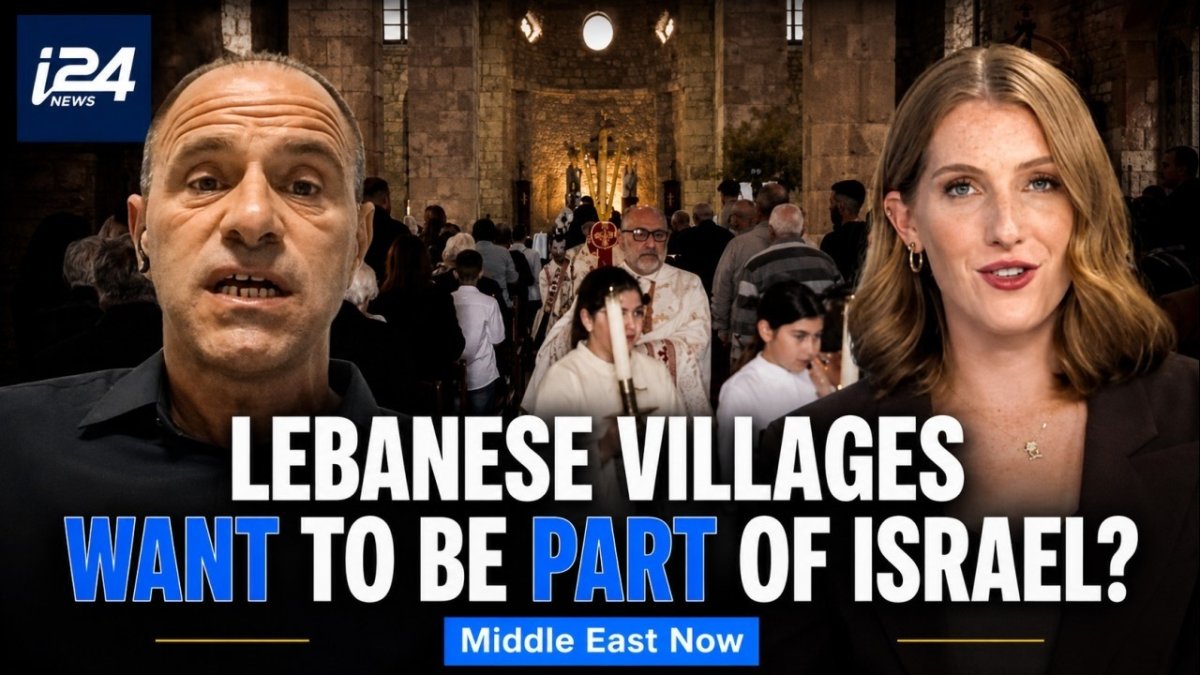
Conditions Facing Christian Villages on the Ground
Christian villages including Rmeish have remained caught between IDF positions and Hezbollah forces since the March 2, 2026, escalation. Some communities prevented Hezbollah from establishing positions inside their boundaries and therefore avoided full evacuation orders during active fighting.
These villages now sit effectively surrounded by Israeli troops and largely cut off from regular supply routes. Residents face shortages of diesel, food, and medicine, relying on international aid convoys for basic needs.
The IDF has required local authorities to remove Hezbollah members and anyone associated with the group from the villages. Mayors reported feeling they had no choice but to comply, resulting in the expulsion of displaced families who had sought shelter in the area.
Two separate incidents involving IDF soldiers desecrating a church and a statue of Jesus in southern Lebanon drew widespread local condemnation, even though Israel's official policy promotes friendly relations with southern Lebanese Christian communities.
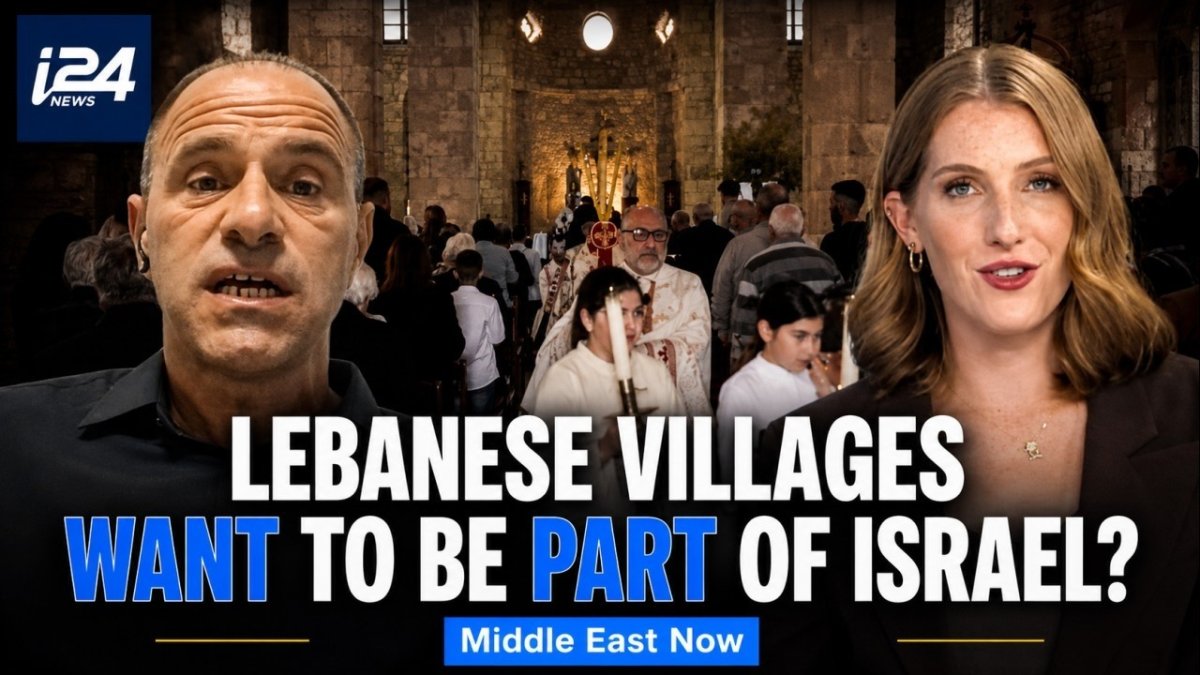
IDF Operations Across Southern Lebanon
Israeli forces intensified operations in southern Lebanon for a second time beginning March 2, 2026. The IDF has conducted sustained actions against Hezbollah infrastructure and maintains control over selected areas along the border.
In recorded communications with residents, an Israeli military officer warned one village that any Hezbollah elements present would trigger strikes, placing responsibility on the community to ensure no such presence existed.
These operations have produced direct contact between IDF units and Christian border villages. Local leaders have navigated demands from both the Israeli military and Hezbollah while attempting to preserve daily life under restricted movement.
The June 2026 Israel-Lebanon Framework Agreement
The Israel-Lebanon Framework Agreement was signed on June 26, 2026, in Washington under U.S. brokerage. The document ties phased Israeli withdrawal to Hezbollah disarmament and deployment of the Lebanese army in southern areas.
U.S. Secretary of State Marco Rubio described the agreement as establishing a clear process to disarm Hezbollah. Implementation remains linked to security arrangements that directly affect the Christian villages now positioned between Israeli-held zones and remaining Hezbollah positions.
Israeli officials have tied continued presence in parts of southern Lebanon to verified Hezbollah withdrawal and Lebanese army control. The agreement's phased structure creates ongoing negotiations involving the Israeli Prime Minister's Office, the IDF, and U.S. mediators.
Implications for Israeli Security and Regional Diplomacy
Netanyahu's claim occurs against the backdrop of active IDF operations and the new framework agreement, highlighting Israel's interest in securing its northern border communities in the Galilee and Upper Galilee regions. Any perception of local Lebanese support could influence domestic political debates inside Israel regarding the duration of operations.
Lebanese rejections from named mayors in Rmeish, Debel, and Qlayaa limit the diplomatic utility of the annexation narrative for Israeli outreach. The Foreign Ministry in Jerusalem must now navigate relations with both the Lebanese government and local Christian communities while the framework agreement moves forward.
Security considerations for Israel include preventing Hezbollah re-entrenchment near the border, a priority repeatedly stated by the IDF. At the same time, incidents of church desecration risk damaging potential channels with southern Lebanese Christians who have historically maintained distance from Hezbollah.
The situation in villages such as Rmeish illustrates the narrow space available for communities seeking neutrality. Continued shortages and military demands test the framework agreement's ability to produce stable arrangements that satisfy both Israeli security requirements and Lebanese sovereignty claims.
By Hannah Berg, Staff WriterThis article was produced with AI-assisted research and editorial support. Reporting is based on sources cited in the article.
What's Your Reaction?
 Like
0
Like
0
 Dislike
0
Dislike
0
 Love
0
Love
0
 Funny
0
Funny
0
 Wow
0
Wow
0
 Sad
0
Sad
0
 Angry
0
Angry
0
Israel Correspondent at Global1.News. Based in Tel Aviv, covering Israeli politics, security, technology, and society. Provides balanced, deeply-sourced reporting on one of the most closely-watched regions in the world.












Comments (0)