
Fine Arts Department opens permanent exhibition on Nakhon Si Thammarat's World Heritage site
In the gentle heart of southern Thailand, Wat Phra Mahathat Woramahawihan has opened a permanent exhibition that celebrates its new place as the kingdom's sixth cultural World Heritage site, drawing families and visitors to explore its sacred relics and living traditions. This milestone shines a warm light on Nakhon Si Thammarat's ancient roots while promising fresh connections between local communities and the wider world.
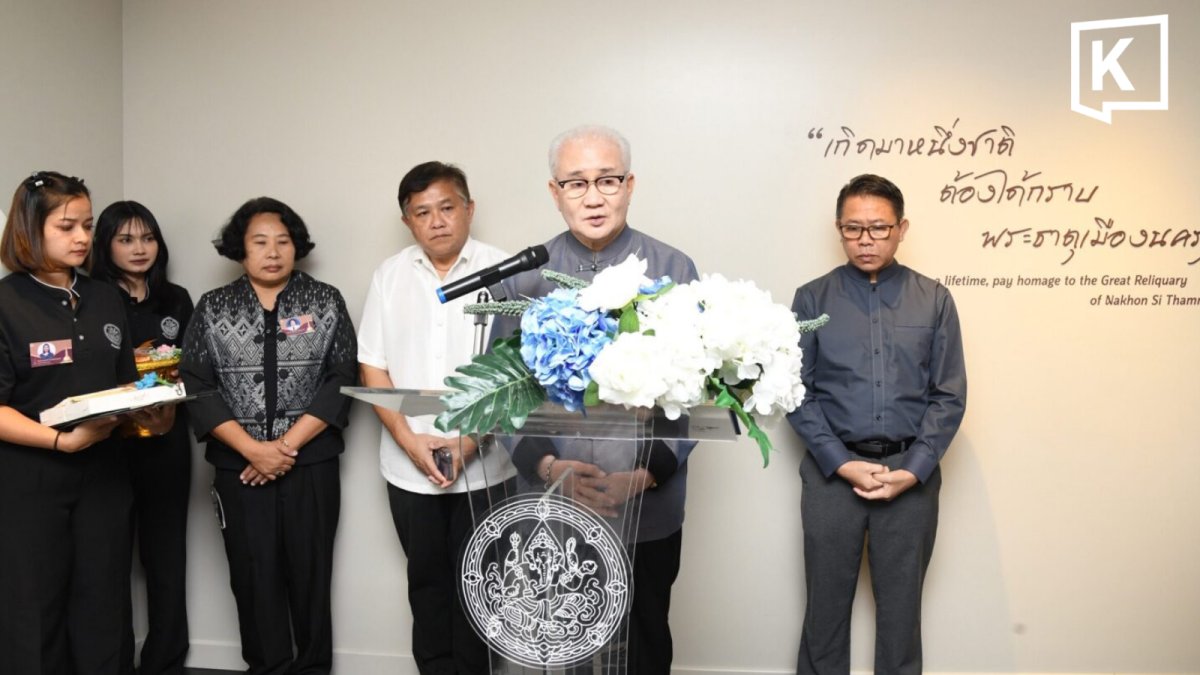
In the gentle heart of southern Thailand, Wat Phra Mahathat Woramahawihan has opened a permanent exhibition that celebrates its new place as the kingdom's sixth cultural World Heritage site, drawing families and visitors to explore its sacred relics and living traditions. This milestone shines a warm light on Nakhon Si Thammarat's ancient roots while promising fresh connections between local communities and the wider world. As the Fine Arts Department welcomes guests, the temple's story unfolds with quiet pride and cultural depth.
Wat Phra Mahathat: Thailand's Sixth World Heritage Gem
Nakhon Si Thammarat, Thailand — Article continues...
The Permanent Exhibition Opens at Wat Phra Mahathat Woramahawihan
The Fine Arts Department opened a permanent exhibition this week at Wat Phra Mahathat Woramahawihan in Nakhon Si Thammarat. The exhibition highlights the temple's recognition as Thailand's sixth cultural World Heritage site. Director-general Phanombut Chandrachoti attended the opening and spoke about the site's new global status.
Visitors to the exhibition learn about the temple's history and its sacred relics through detailed displays. The Fine Arts Department designed the exhibition to help both Thai and foreign tourists understand the site's cultural importance. Local residents from Nakhon Si Thammarat have already begun visiting to see the new materials.
This exhibition connects directly to daily life in southern Thailand. Families in Nakhon Si Thammarat now have a dedicated space to share stories of the temple with younger generations during weekend gatherings.
Thailand's Sixth Cultural World Heritage Site
Wat Phra Mahathat Woramahawihan received formal recognition as Thailand's sixth cultural World Heritage site. Phanombut Chandrachoti stated that this achievement placed Thailand in the global spotlight. The recognition marks the third consecutive year Thailand has received such an honor from UNESCO.
Nakhon Si Thammarat stands as one of Thailand's oldest cities, with roots stretching back to the Srivijaya and Sukhothai kingdoms, where it served as a vital ancient trading port connecting maritime routes across Southeast Asia. This historical role as a bustling hub for merchants and scholars adds profound depth to the recent UNESCO recognition of Wat Phra Mahathat, which houses the sacred Tooth Relic of the Buddha and now marks Thailand's sixth cultural World Heritage Site.
The religious importance of the Tooth Relic draws pilgrims and visitors who seek its spiritual blessings, reinforcing the temple's place as a living center of faith that has endured through centuries of trade and cultural exchange. This third consecutive year of UNESCO recognition highlights Thailand's steady strategy of nominating sites with layered historical and spiritual value, building momentum for future listings while celebrating the kingdom's enduring heritage.
The Fine Arts Department worked closely with local authorities in Nakhon Si Thammarat to prepare the nomination. This process involved documenting the temple's architectural features and religious significance. The result strengthens Thailand's position among Southeast Asian nations with multiple World Heritage listings.
By honoring Nakhon Si Thammarat's legacy as an ancient port city tied to the Srivijaya and Sukhothai eras, this achievement encourages a thoughtful approach to preserving both the sacred relic and the surrounding cultural landscape for generations to come.
Thai readers in Bangkok and other provinces can take pride in this milestone. It shows how southern Thai communities contribute to the nation's cultural standing on the world stage.
Economic Benefits for Nakhon Si Thammarat Communities
Phanombut Chandrachoti said the World Heritage status is expected to attract a surge of Thai and foreign tourists to Nakhon Si Thammarat. These visitors will bring significant economic benefits to the area through increased spending at local businesses. The Fine Arts Department anticipates growth in tourism-related jobs for residents near Wat Phra Mahathat Woramahawihan.
Nakhon Si Thammarat lies in southern Thailand roughly 780 kilometers from Bangkok, where its traditions of nang talung shadow puppetry, distinctive local foods, and handmade crafts create a warm foundation for heritage tourism. The multiplier effect of this recognition ripples through southern communities as visitors explore these living arts, supporting families who have passed down puppet-making skills and recipes for generations.
Compared with established UNESCO sites such as Ayutthaya, Sukhothai, and Si Thep, Nakhon Si Thammarat offers a more intimate southern experience that blends temple reverence with everyday cultural practices, drawing travelers who seek authentic encounters beyond the central plains. Local businesses including hotels, restaurants, and craft shops are already preparing by refreshing their offerings to welcome guests while honoring the 780-kilometer journey many make from the capital.
Shop owners and temple caretakers in Nakhon Si Thammarat are preparing for higher foot traffic. The permanent exhibition serves as an entry point that encourages longer stays in the province. Regional trade within ASEAN could also see indirect gains as international travelers extend trips to include other southern Thai destinations.
This careful preparation ensures that the economic benefits stay rooted in community hands, allowing nang talung performers and food artisans to thrive alongside the temple's new global spotlight.
Daily life for families in the Isaan region and central Thailand may feel the effects through improved national tourism revenue. This development supports broader economic stability across Thailand's provinces.
Conservation Efforts with Local Authorities
The Fine Arts Department will continue working with Nakhon Si Thammarat authorities to conserve and restore Wat Phra Mahathat Woramahawihan. These efforts aim to meet all UNESCO preservation requirements. Any new construction, including shops and other facilities, must follow careful planning to protect the site's cultural value.
Phanombut Chandrachoti emphasized that preservation measures will involve regular monitoring of the temple grounds. Local communities participate by reporting any concerns about the sacred relics housed at Wat Phra Mahathat. This collaboration ensures the temple remains a living Buddhist site rather than just a tourist attraction.
Residents in Phuket and Chiang Mai watch these steps closely. Successful conservation in Nakhon Si Thammarat sets an example for protecting other historic temples across the country.
Chiang Mai's Path Toward 2027 Recognition
Chiang Mai remains on UNESCO's Tentative List since 2015 and is eyed for submission in 2027. Phanombut Chandrachoti expressed hope that Thailand will receive another piece of good news that year. Several other Thai sites also sit on the Tentative List and could receive consideration in future years.
Chiang Mai has rested on the UNESCO Tentative List since 2015, carrying the legacy of its time as capital of the Lanna Kingdom and home to hundreds of Buddhist temples known simply as wat. These ancient wooden structures and serene courtyards continue to shape daily life, offering quiet spaces for reflection amid the city's gentle northern rhythms.
The long path to full recognition reflects ongoing preservation challenges and pressures from city development that must balance modern growth with the protection of Lanna-era architecture and temple grounds. Cultural offerings in the old city, from temple festivals to traditional crafts, provide visitors a living connection to this heritage that sets Chiang Mai apart from other tentative sites.
The Fine Arts Department continues to prepare documentation for Chiang Mai's cultural properties. This work builds on the experience gained from the successful Nakhon Si Thammarat nomination. Northern Thai communities anticipate similar economic and cultural benefits if recognition is granted.
Should recognition arrive by 2027, the economic impact for northern Thailand could mirror the steady growth seen at other heritage locations, bringing new opportunities to communities while safeguarding the hundreds of wat that define the city's spiritual heart.
Thailand's diplomatic efforts through the Ministry of Foreign Affairs support these ongoing nominations. The process strengthens regional ties within ASEAN by showcasing shared Southeast Asian heritage.
Preserving Sacred Relics for Future Generations
Phanombut Chandrachoti hopes the World Heritage recognition will bring more visitors to Wat Phra Mahathat Woramahawihan. He called on everyone to help preserve the temple and its sacred relics. The permanent exhibition plays a role in educating the public about these responsibilities.
Buddhist communities across Thailand view the temple as a spiritual anchor. Monks and laypeople in Nakhon Si Thammarat maintain daily rituals that keep the site's traditions alive. The Fine Arts Department's involvement ensures these practices continue alongside conservation work.
This recognition matters for Thailand's cultural diplomacy. It invites Southeast Asian neighbors to appreciate and protect their own Buddhist heritage sites in similar ways.
By Ann Srisawat, Staff Writer
This article was produced with AI-assisted research and editorial support. Reporting is based on sources cited in the article.
What's Your Reaction?
 Like
0
Like
0
 Dislike
0
Dislike
0
 Love
0
Love
0
 Funny
0
Funny
0
 Wow
0
Wow
0
 Sad
0
Sad
0
 Angry
0
Angry
0

Southeast Asia Correspondent at Global1.News. Based in Bangkok, covering Thai and Southeast Asian politics, economy, technology, and culture. Deep regional perspective on one of the world's most dynamic regions.











Comments (0)